
The top digital wellbeing apps help you monitor your screen time, set limits, and create healthier tech habits. They offer features like app restrictions, usage analytics, and focus modes to keep you balanced. These tools encourage mindful interactions by helping you recognize patterns and stay accountable. If you want to discover the best options to regain control over your digital life, explore further, and you’ll find practical tips to make lasting changes.

Get health and wellness essentials delivered free — and shop member deals
- Fast, free delivery on millions of items
- Access to Prime Big Deal Days deals on October 6–7
- Prime Video, Amazon Music and more included
Key Takeaways
- Digital wellbeing apps offer app restrictions and scheduled downtime to limit screen time and promote healthier habits.
- They provide detailed analytics and usage reports to identify overused apps and monitor digital habits.
- Customizable features like daily goals and motivational prompts help users stay accountable and build mindful tech routines.
- Focus modes and lockout mechanisms reduce distractions, encouraging offline activities and better work-life balance.
- These apps support improved mental and physical health by fostering intentional technology use and digital mindfulness.
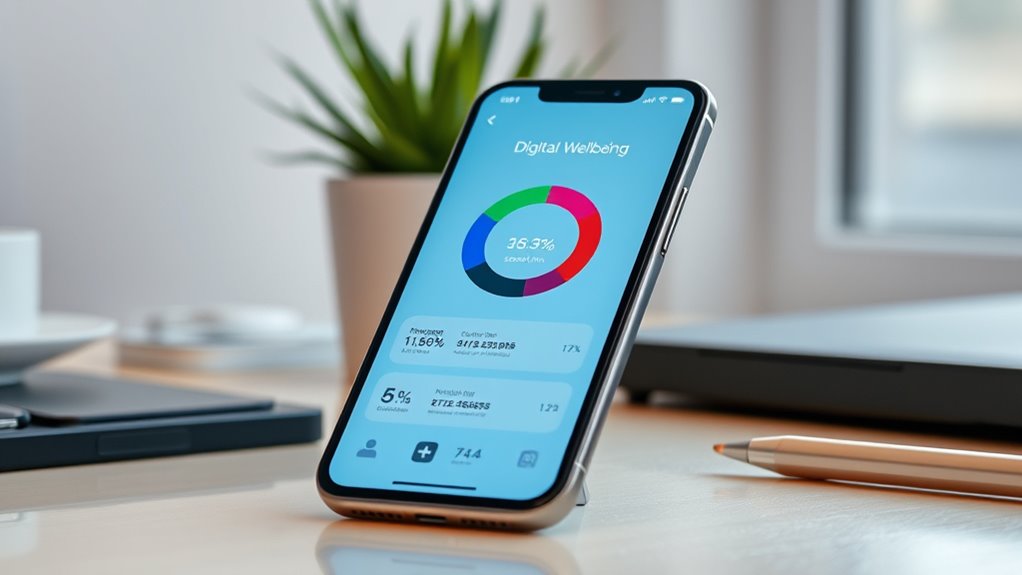
In today’s digital age, managing your screen time and maintaining a healthy balance between online and offline life can be challenging. The constant presence of smartphones and devices makes it easy to fall into patterns of screen addiction, where you find yourself mindlessly scrolling or spending more time online than you intended. Fortunately, there are digital wellbeing apps designed to help you regain control and set boundaries. These tools often include features like app restrictions, which allow you to limit access to certain applications after a specified amount of time, helping you avoid overuse and reduce distractions.
By using app restrictions, you can create healthier habits and prevent yourself from getting sucked into endless social media feeds or gaming marathons. Many wellbeing apps let you customize daily limits for different apps, so you can prioritize work, family, or self-care without feeling guilty about taking breaks. When you hit your preset limit, the app locks you out of that app temporarily, encouraging you to step away and engage in offline activities. This proactive approach not only curbs screen addiction but also promotes mindfulness about your digital consumption. Over time, these restrictions help you develop better habits and foster a more balanced online presence.
Using app limits encourages healthy habits and helps prevent excessive screen time.
Additionally, these apps often feature detailed analytics and reports that show your usage patterns. You can see which apps consume most of your time, identify triggers that lead to excessive screen use, and make informed decisions to cut back. Some apps even offer focus modes or scheduled downtime, where your device automatically limits notifications and app access during designated periods, such as work hours or bedtime. This helps you create a routine that supports rest, productivity, and personal connections offline. Incorporating awareness of digital wellbeing principles can further enhance your efforts to develop healthier habits.
Most digital wellbeing apps are user-friendly and customizable, so you can tailor them to fit your lifestyle. Whether you want to set daily goals, track your progress, or receive motivational prompts, these tools give you the accountability you need to stay on track. They act as gentle reminders to step away from screens and focus on real-world experiences. The key is consistency—using app restrictions regularly and being honest with yourself about your usage patterns. Over time, you’ll find it easier to resist the urge of screen addiction and develop healthier tech habits that contribute to your overall wellbeing.
In essence, digital wellbeing apps with app restrictions are powerful allies in your effort to balance screen time. They provide the structure and insights needed to break free from excessive online engagement and foster a more mindful, intentional relationship with technology. By leveraging these tools, you’re taking meaningful steps toward a healthier digital lifestyle that benefits your mental and physical health.
digital wellbeing app for screen time management
As an affiliate, we earn on qualifying purchases.
As an affiliate, we earn on qualifying purchases.
Frequently Asked Questions
How Do Digital Wellbeing Apps Impact Mental Health?
Digital wellbeing apps impact your mental health positively by helping you manage screen addiction and reduce anxiety. They encourage healthier tech habits, like setting limits on device use and scheduling breaks, which can lessen feelings of overwhelm. By tracking your activity and offering mindfulness reminders, these apps support anxiety reduction. As a result, you gain better control over your digital consumption, leading to improved mental clarity, emotional balance, and overall wellbeing.
Are Digital Wellbeing Apps Suitable for Children?
Yes, digital wellbeing apps are suitable for children, especially with 72% of parents concerned about screen time. These apps promote child safety by offering parental control features, allowing you to set limits and monitor activity. By actively managing your child’s tech use, you help foster healthier habits and guarantee safe online experiences. Just choose apps designed for kids, and always stay involved in their digital activities.
Can These Apps Replace Professional Mental Health Support?
Digital wellbeing apps can’t substitute professional mental health support, as they mainly serve as tools to improve habits. While they can boost awareness, privacy concerns may limit their effectiveness, especially for serious issues. You should see these apps as complementary, not substitutes. For complex mental health needs, consulting a licensed professional ensures proper care, as apps might not address all underlying causes or provide personalized treatment.
How Do Digital Wellbeing Apps Affect Productivity?
Digital wellbeing apps are like a compass guiding you through your screen time. They help you manage app notifications and reduce distractions, boosting your productivity. By setting limits and tracking usage, you stay focused on tasks instead of getting sidetracked. These apps encourage mindful tech habits, so you can work more efficiently and conserve mental energy. Ultimately, they empower you to take control of your digital environment and improve your daily performance.
Are Digital Wellbeing Apps Free or Paid?
Digital wellbeing apps often offer both free and paid options, depending on their app pricing and subscription models. You can start with free versions that provide basic features, but for more advanced tools and insights, you might need to subscribe to a premium plan. These subscription models typically release extra features, helping you better monitor and improve your tech habits. So, you have flexibility based on your needs and budget.
As an affiliate, we earn on qualifying purchases.
Conclusion
Now that you know the top digital wellbeing apps, imagine what could happen if you start using them today. Will you regain control over your tech habits or let distractions take over? The choice is yours, and the next step could change your digital life forever. Don’t wait too long—your better, more balanced routine might be just one app away. Are you ready to take that first step toward a healthier tech relationship?
As an affiliate, we earn on qualifying purchases.
app restriction and scheduling tools
As an affiliate, we earn on qualifying purchases.
As an affiliate, we earn on qualifying purchases.
Fall Picks
fall essentials
As an affiliate, we earn on qualifying purchases.