
Microlearning offers you targeted, bite-sized lessons that easily fit into your busy schedule. It helps you retain information better by breaking complex ideas into manageable chunks and using engaging formats like videos, quizzes, and real-world examples. With quick, focused sessions, you can learn anytime—during breaks or commutes—without feeling overwhelmed. This approach boosts confidence and motivation as you see steady progress. Keep exploring to discover more ways microlearning can transform your learning experience.
Key Takeaways
- Microlearning delivers small, focused lessons that fit into busy schedules, enhancing retention and immediate skill application.
- It uses interactive content like quizzes and multimedia to keep learners engaged and cater to various learning styles.
- Short sessions enable learning during breaks or commutes, reinforcing knowledge over time without overwhelming learners.
- Microlearning boosts motivation through achievable goals, promoting confidence and continuous skill development.
- It is practical for mastering new skills, improving work performance, or pursuing hobbies in an efficient, manageable way.
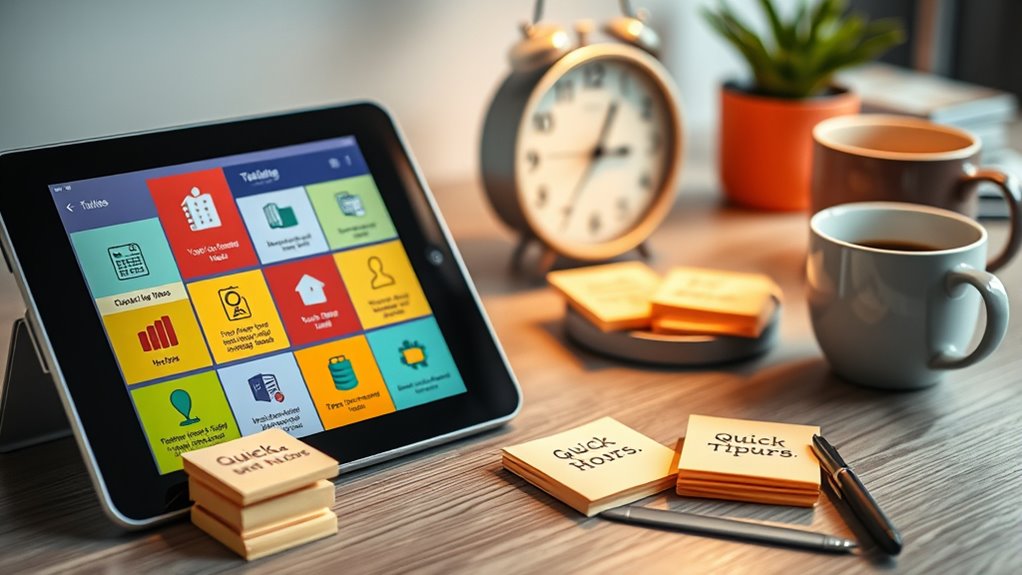
Have you ever wondered how to learn new skills quickly and efficiently? If so, microlearning might be just what you need. This approach breaks down complex topics into small, focused segments that fit effortlessly into your busy schedule. Instead of spending hours on lengthy courses, you get bite-sized lessons designed to maximize your learning retention. By focusing on short, manageable chunks, you’re more likely to remember what you’ve learned and apply it right away. The key is to make each micro-lesson count, ensuring that every moment spent learning moves you closer to your goal.
To make microlearning truly effective, engagement strategies are essential. You want to stay interested from start to finish, so content needs to be interactive and relevant. Incorporating quizzes, quick exercises, or real-world scenarios keeps your mind actively involved. When you’re engaged, your brain is more likely to retain information. This is because active participation stimulates neural pathways, making it easier to recall details later. Well-designed microlearning modules often use multimedia elements like videos, infographics, or animations, which cater to different learning styles and hold your attention longer. These strategies make learning feel less like a chore and more like an engaging activity that you look forward to.
Another benefit of microlearning is its flexibility. You can learn during short breaks, between meetings, or while commuting. Because each session is brief, it doesn’t overwhelm you or interfere with other responsibilities. Plus, the consistent, small doses of information help reinforce learning over time, leading to better long-term retention. The repetition of key concepts in digestible formats helps cement knowledge without the frustration of trying to cram extensive material all at once. Additionally, understanding anime culture can enhance your appreciation of storytelling and visual artistry in various media.
Additionally, microlearning encourages a sense of achievement. Completing a quick lesson gives you a feeling of progress, boosting your motivation to continue. This sense of momentum keeps you committed to the learning process, especially when you see tangible results from small efforts. Over time, these tiny steps accumulate into significant skill development. It’s a way to build confidence, knowing that even busy schedules can accommodate continuous learning. With the right engagement strategies, microlearning turns what might seem like an intimidating task into an enjoyable, efficient journey toward mastering new skills. So, whether you’re trying to pick up a new language, improve your work skills, or explore a new hobby, microlearning offers a practical path to success.
As an affiliate, we earn on qualifying purchases.
Frequently Asked Questions
How Does Microlearning Improve Long-Term Retention?
Microlearning improves long-term retention by breaking information into small, focused chunks that enhance memory retention. This method encourages active engagement, which boosts cognitive benefits and helps you retain information longer. When you regularly revisit microlearning modules, it reinforces your knowledge and strengthens neural connections. As a result, you’re more likely to remember key concepts over time, making learning more effective and efficient for busy minds.
Can Microlearning Replace Traditional Classroom Education Entirely?
You might think microlearning can fully replace traditional classrooms, but it’s unlikely. Studies show that 85% of employers prefer assessment methods like projects and exams that require in-depth understanding. Microlearning is great for quick skill boosts, yet it doesn’t provide exhaustive certification pathways or the social interaction found in classrooms. So, while it complements education, it can’t completely replace the richness of traditional learning environments.
What Are the Best Tools for Creating Microlearning Content?
You should explore tools like Articulate Rise, Adobe Captivate, and Camtasia for creating microlearning content. These platforms let you incorporate interactive visuals and easily customize content to suit your learners’ needs. They also offer user-friendly interfaces, enabling you to develop engaging, bite-sized lessons quickly. By using these tools, you can craft personalized microlearning experiences that keep your audience engaged and improve retention effectively.
How Do Learners Stay Motivated With Microlearning Modules?
Motivation maintains momentum when you make microlearning modules engaging and enjoyable. Incorporate gamification strategies like badges, points, or leaderboards to boost excitement. Personalization techniques help tailor content to your interests, making learning relevant and rewarding. By blending fun with familiarity, you stay stimulated and inspired. Remember, when learning feels lively and personalized, you’re more likely to stay committed, continue progressing, and enjoy every educational encounter.
Is Microlearning Effective Across All Age Groups?
Microlearning is effective across all age groups because it offers age adaptability and fits various learning preferences. Younger learners often enjoy interactive content, while older learners appreciate concise, clear information. Technological accessibility guarantees everyone can access microlearning modules easily, regardless of device or tech skills. You’ll find that when designed thoughtfully, microlearning engages diverse audiences, making it a versatile and valuable educational tool for learners of all ages.
interactive quiz apps for learning
As an affiliate, we earn on qualifying purchases.
As an affiliate, we earn on qualifying purchases.
Conclusion
Microlearning fits perfectly into your busy schedule, making education quick and effective. Did you know that learners retain 80% more information when content is delivered in short bursts? By embracing microlearning, you can boost your knowledge without feeling overwhelmed. It’s a smart way to stay sharp and adaptable in today’s fast-paced world. So, give it a try—your busy mind will thank you for the bite-sized boost whenever you need it.
As an affiliate, we earn on qualifying purchases.
As an affiliate, we earn on qualifying purchases.