

Your gut bacteria are crucial for staying healthy, helping digest food, boost immunity, and even influence your mood and mental clarity. They form a complex ecosystem that fights off infections and supports nutrient absorption. Maintaining a balanced microbiome through probiotics, fiber-rich foods, and healthy lifestyle choices can improve digestion and overall well-being. By supporting your gut bacteria, you’re strengthening your body and mind—if you keep exploring, you’ll learn more about how to nurture this essential system.

Get health and wellness essentials delivered free with Prime
- Fast, free delivery on millions of items
- Prime Video, Amazon Music and more included
- Member-only deals all year
Key Takeaways
- Gut bacteria are essential for digestion, immune function, and nutrient absorption, supporting overall health.
- A healthy microbiome influences mood, mental clarity, and resilience against infections.
- Probiotic supplements help replenish beneficial bacteria and maintain gut diversity.
- Lifestyle factors like fiber-rich diets, fermented foods, exercise, and stress management support microbiome health.
- Recognizing the microbiome’s role encourages proactive habits to promote physical and mental well-being.
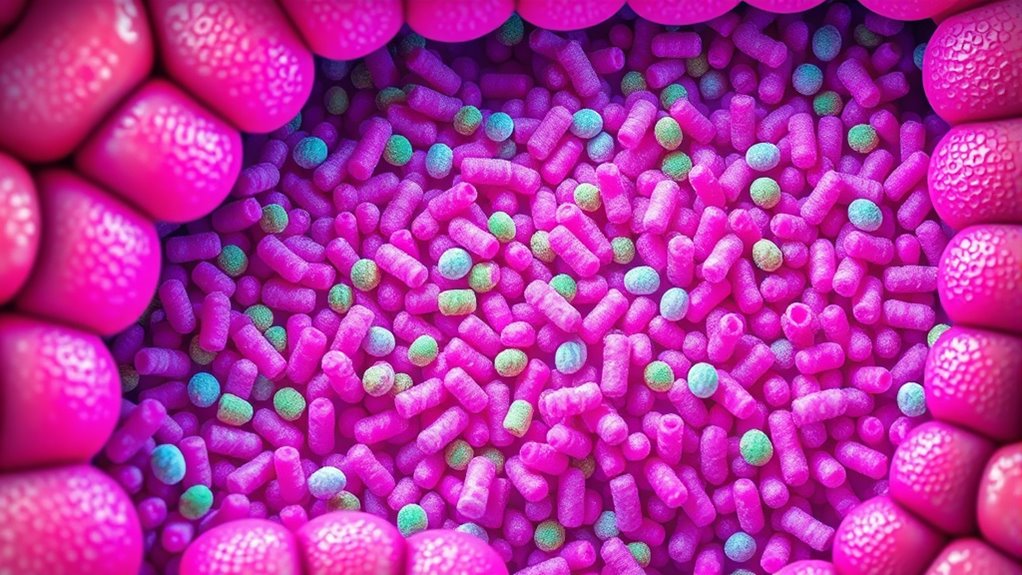
Your gut bacteria play a essential role in maintaining overall health, influencing everything from digestion to immune function. These tiny microorganisms form a complex ecosystem known as the microbiome, which impacts how your body absorbs nutrients, fights off infections, and even regulates your mood. One way to support this delicate balance is through probiotic supplements, which introduce beneficial bacteria directly into your digestive system. Taking these supplements can help replenish gut flora, especially after antibiotics or illness, ensuring your microbiome remains diverse and resilient. Mindfulness practices can also help reduce stress, which has a positive effect on gut health and microbial balance.
Supporting your health with probiotics helps restore gut flora and maintain a resilient microbiome.
The connection between your gut bacteria and your brain is more significant than many realize. The gut-brain axis, a communication network between your gastrointestinal system and central nervous system, highlights how your microbiome influences mental health, mood, and cognitive functions. When your gut bacteria are imbalanced, you might experience feelings of anxiety, depression, or brain fog. Conversely, a healthy microbiome can promote better mood stability and mental clarity. That’s why maintaining this balance is essential for overall well-being.
Probiotic supplements are an easy way to boost your gut health, especially if your diet isn’t consistently rich in fermented foods like yogurt, kefir, or sauerkraut. These supplements contain strains of beneficial bacteria that can help restore and maintain gut diversity. When taken regularly, they support digestion, reduce bloating, and may even strengthen your immune response. It’s important to choose high-quality probiotics with strains proven to survive stomach acid and reach your intestines where they’re most effective.
Supporting your microbiome isn’t just about taking supplements; it also involves lifestyle choices. Eating a fiber-rich diet fuels your beneficial bacteria, encouraging growth and diversity. Avoiding excessive use of antibiotics unless necessary helps prevent disturbing your microbiota’s natural balance. Regular exercise and managing stress also positively influence your gut bacteria, creating a healthier gut-brain axis and, in turn, better overall health.
Understanding the essential role of gut bacteria underscores how interconnected your body systems are. By incorporating probiotic supplements and making supportive lifestyle changes, you can nurture your microbiome and enhance your physical and mental health. Recognizing the importance of this tiny ecosystem empowers you to take proactive steps toward a healthier, happier life. After all, your gut bacteria are not just passive residents—they’re active partners in your overall well-being.
probiotic supplements for gut health
As an affiliate, we earn on qualifying purchases.
As an affiliate, we earn on qualifying purchases.
Frequently Asked Questions
Can Gut Bacteria Influence Mental Health?
The current question about gut bacteria influencing mental health highlights the brain-gut connection, where your gut and brain communicate closely. Your gut bacteria play a essential role in mood regulation by producing neurotransmitters like serotonin. When this balance is disrupted, it can impact your mental well-being, leading to feelings of anxiety or depression. Recognizing this link helps you understand how maintaining a healthy gut supports overall mental health.
How Quickly Can Gut Bacteria Change With Diet?
You might think gut bacteria change slowly, but dietary shifts can trigger rapid microbiome adaptation. In fact, within just a few days to a week, your gut bacteria can start to shift in response to new foods. This quick adaptation shows how dynamic your microbiome is, reflecting your diet almost immediately. So, if you change your eating habits, expect your gut bacteria to adapt swiftly, influencing your overall health.
Are Probiotics Effective for Everyone?
Probiotics aren’t effective for everyone because their supplement efficacy depends on strain diversity and individual gut makeup. Some people see benefits, especially when specific strains target their issues, but others might not notice much change. Your gut’s unique bacteria can influence how well probiotics work, so it’s worth trying different strains or consulting a healthcare professional to find the best fit for your needs.
What Role Do Gut Bacteria Play in Immune Function?
Gut bacteria play a essential role in your immune response by helping your body recognize and fight pathogens. They boost bacterial diversity, which strengthens your immune system’s ability to adapt and respond effectively. When your gut microbiome is healthy, it supports immune regulation, reducing inflammation and preventing illness. You can enhance this critical function by maintaining a balanced diet, avoiding unnecessary antibiotics, and including probiotics to support your gut bacteria’s diversity.
Can Gut Bacteria Affect Skin Health?
You might not realize it, but your gut bacteria can influence your skin health through the gut-skin connection. A diverse bacterial community supports skin clarity, fights inflammation, and reduces breakouts. When bacterial diversity declines, skin problems often worsen. So, nurturing your gut bacteria with a balanced diet and probiotics can promote healthier skin, demonstrating that internal balance is key to external beauty. Your gut truly impacts your skin more than you might think.
fermented foods like yogurt kefir sauerkraut
As an affiliate, we earn on qualifying purchases.
As an affiliate, we earn on qualifying purchases.
Conclusion
Understanding your gut bacteria can seem overwhelming, but it’s simpler than you think. By eating a balanced diet rich in fiber and fermented foods, you support your microbiome and boost your overall health. Don’t worry if you’re not perfect—small changes make a difference. Enjoy the process of caring for your gut, knowing it’s a powerful step toward feeling better every day. Your body will thank you for the effort you put in now.
As an affiliate, we earn on qualifying purchases.
high-quality probiotics with survivability
As an affiliate, we earn on qualifying purchases.
As an affiliate, we earn on qualifying purchases.
Cold & flu season Picks
humidifiers
As an affiliate, we earn on qualifying purchases.