To build a career safety net before you need it, start by diversifying your skills and staying informed about industry trends. Develop resilience by maintaining a positive outlook and seeking feedback, which helps you bounce back from setbacks. Strengthen relationships with colleagues and mentors, so you have support during tough times. Set goals for acquiring new knowledge and explore related fields to boost flexibility. Keep these strategies in mind, and you’ll discover more ways to prepare effectively.
Key Takeaways
- Regularly assess and update your skills to stay adaptable and relevant in your industry.
- Cultivate strong professional relationships for support and mentorship during transitions.
- Stay informed on industry trends to anticipate changes and identify new opportunities early.
- Diversify your expertise with complementary skills to increase employability and resilience.
- Set clear career goals and save financial resources to ensure stability during unexpected setbacks.

Building a career safety net is essential in today’s unpredictable job market, giving you peace of mind and security no matter what changes come your way. The key to this security lies in developing your workplace resilience and skill diversification. When you actively build these areas, you prepare yourself for sudden shifts, layoffs, or industry disruptions. Instead of reacting to setbacks, you can adapt quickly and confidently, knowing you have a solid foundation.
Workplace resilience is about cultivating the mental toughness and flexibility needed to bounce back from challenges. It involves maintaining a positive outlook, learning from setbacks, and staying motivated even during tough times. To strengthen your resilience, focus on developing a growth mindset—view failures as opportunities for learning rather than as insurmountable obstacles. You should also seek feedback regularly and view it as a tool for improvement. Building strong relationships with colleagues and mentors provides a support system that can help you navigate difficult periods. The more resilient you become, the better you’ll handle changes, layoffs, or industry downturns, making your career more secure in the long run. Additionally, understanding industry trends can help you anticipate changes and adapt proactively, further bolstering your resilience. Staying informed about industry developments allows you to spot emerging opportunities or threats early, giving you a competitive edge. Gaining knowledge about piercings and jewelry can even foster creativity and personal branding, which may be advantageous in certain careers or industries.
Building resilience through a growth mindset and strong relationships enhances career security during tough times.
Skill diversification is equally critical. Relying on a narrow set of skills leaves you vulnerable if your industry shifts or your role becomes obsolete. You want to expand your expertise across different areas within your field or even into related industries. This doesn’t mean you need to become an expert in everything, but you should aim to develop complementary skills that enhance your value. For example, if you’re in marketing, learning data analysis or graphic design can make you more versatile. Continuously updating your skills through courses, workshops, or certifications ensures you stay relevant. This proactive approach not only increases your employability but also opens new opportunities should your current position disappear.
Building a career safety net before you need one involves deliberate effort. Start by evaluating your current skills and identifying gaps. Set goals to acquire new knowledge or certifications that broaden your capabilities. Simultaneously, work on strengthening your workplace resilience through self-awareness, stress management, and maintaining strong professional relationships. By doing so, you create a buffer against unexpected career setbacks. Additionally, exploring emerging trends such as sound healing can diversify your understanding of alternative wellness practices, enriching your professional profile. Remember, the more resilient you are and the more diverse your skills, the less vulnerable you’ll be to sudden changes. Investing in these areas now means you’ll have a safety net that catches you when you need it most, giving you the confidence to face an uncertain job landscape head-on.

The Writing Strategies Book: Your Everything Guide to Developing Skilled Writers
As an affiliate, we earn on qualifying purchases.
As an affiliate, we earn on qualifying purchases.
Frequently Asked Questions
When Is the Best Time to Start Building a Career Safety Net?
You should start building your career safety net now, even if you’re not facing job insecurity. Did you know 40% of Americans would struggle to cover a $400 emergency? By prioritizing financial planning and building an emergency fund, you create a buffer for unexpected setbacks. The earlier you begin, the more secure you’ll feel, ensuring you’re prepared for any career surprises that come your way.
How Much Savings Should I Aim for in My Safety Net?
You should aim for an emergency fund that covers three to six months’ worth of living expenses, providing a solid financial cushion. This safety net guarantees you can handle unexpected job loss or emergencies without stress. Focus on building your financial cushion gradually by saving consistently. Keep track of your expenses, cut unnecessary costs, and prioritize contributions to your emergency fund until you reach your goal.
Can Freelancing Help Me Create a Career Safety Net?
Freelancing can be your safety net, offering the flexibility to adapt when job markets shift. With freelance flexibility, you control your schedule and projects, while income diversification reduces dependence on a single source. This approach strengthens your financial resilience, helping you weather unexpected setbacks. Think of freelancing as planting multiple seeds—if one doesn’t grow, others can flourish, ensuring your career remains secure even in uncertain times.
What Skills Are Most Valuable for Job Security?
You should prioritize skill diversification and continuous learning to enhance your job security. By expanding your expertise across different areas, you become more adaptable and valuable in the workplace. Regularly updating your skills guarantees you stay relevant amid industry shifts. Embrace new technologies, seek professional development opportunities, and diversify your skill set to build a resilient career safety net that can withstand economic uncertainties and evolving job markets.
How Often Should I Review and Update My Safety Net Plan?
Think of your safety net as a garden that needs regular tending. You should review and update your safety plan at least once a year, especially after major life changes. Regular financial planning keeps your resources healthy, while strengthening emotional resilience prepares you for unexpected storms. By tending to your safety net consistently, you guarantee it’s robust enough to catch you whenever life’s surprises fall.
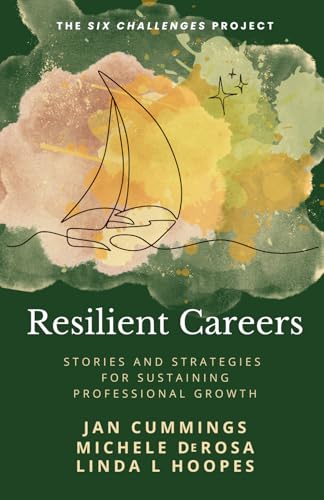
Resilient Careers: Stories and Strategies for Sustaining Professional Growth
As an affiliate, we earn on qualifying purchases.
As an affiliate, we earn on qualifying purchases.
Conclusion
Building a career safety net isn’t just about planning for the worst; it’s about empowering yourself for any future opportunity. For example, imagine you’re laid off unexpectedly—having an updated resume, a strong network, and diverse skills means you can pivot quickly and land your next role. By proactively investing in your growth and connections now, you guarantee resilience and confidence no matter what challenges come your way. Start today, and stay prepared for tomorrow.
mentorship program memberships
As an affiliate, we earn on qualifying purchases.
As an affiliate, we earn on qualifying purchases.

Technical Analysis of the Financial Markets: A Comprehensive Guide to Trading Methods and Applications
Used Book in Good Condition
As an affiliate, we earn on qualifying purchases.
As an affiliate, we earn on qualifying purchases.