
The craft renaissance invites you to rediscover the beauty of handcrafted aesthetics in a world flooded with mass-produced items. By embracing traditional techniques and unique designs, you can enjoy authentic, meaningful objects that reflect personal expression and cultural heritage. These pieces often support sustainability and ethical practices, promising durability and a connection to skilled artisans. Embracing this movement helps you find genuine quality and stories behind what you own—exploring further reveals how it shapes your style and values.
Key Takeaways
- The craft renaissance emphasizes authenticity, uniqueness, and storytelling in handcrafted goods, countering mass production.
- Traditional artisan techniques blend history with modern design, creating timeless, relevant pieces.
- Focus on sustainable, ethical practices supports local communities and promotes mindful consumption.
- Handcrafted items enable personal expression and cultural preservation through unique, meaningful possessions.
- This movement strengthens connections between artisans and consumers, fostering appreciation for quality, tradition, and community.
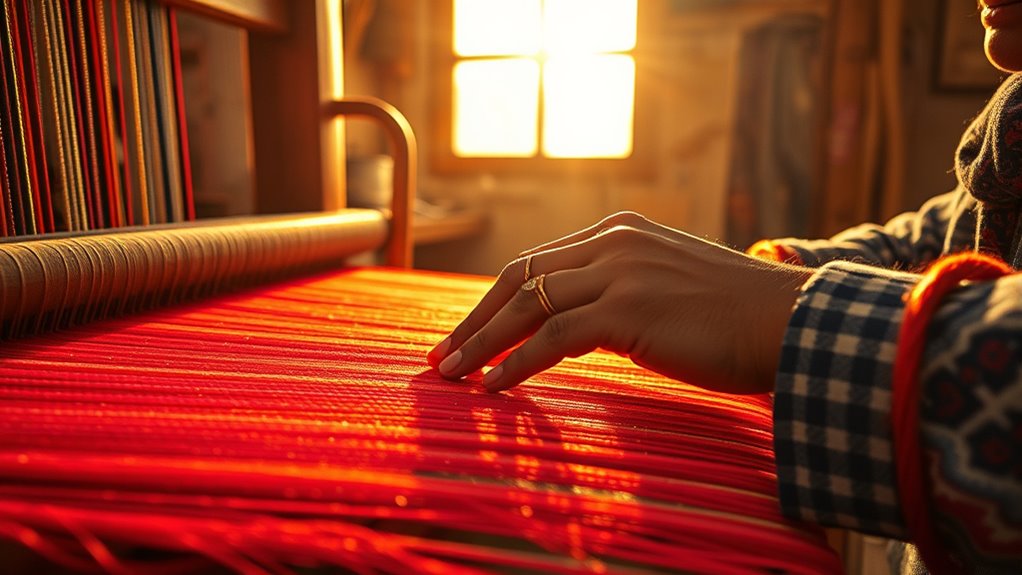
Have you noticed how handcrafted goods are making a comeback? It’s like a gust of fresh air in a world flooded with mass-produced items. Today, more than ever, people crave authenticity and uniqueness, which is exactly what handcrafted pieces offer. When you explore these items, you realize that behind every piece lies a story, a tradition, and a skill that’s been passed down through generations. This movement isn’t just about aesthetics; it’s about reconnecting with the human touch that gives each object its soul.
At the heart of this revival are artisan techniques that have stood the test of time. These methods involve meticulous attention to detail and a deep understanding of materials and process. Whether it’s hand-loomed textiles, carved wood, or hand-thrown pottery, these techniques require patience, skill, and dedication. What makes them stand out today is how artisans blend traditional methods with modern craftsmanship. They innovate within their craft, using contemporary tools or design sensibilities to create pieces that resonate with current tastes while preserving centuries-old traditions. This synergy of old and new results in products that are both timeless and relevant, appealing to a new generation keen for authenticity.
Artisans blend timeless techniques with modern design to create authentic, relevant handcrafted pieces.
When you engage with handcrafted items, you’re participating in a form of modern craftsmanship that values quality over quantity. Unlike factory-made goods, each piece is crafted with intention, often in small batches or as one-of-a-kind creations. This approach encourages a sustainable mindset, emphasizing durability, local sourcing, and ethical practices. It’s not just about owning a beautiful object but about supporting artisans and their communities. You begin to see the value in slow production, where every detail matters, and shortcuts are replaced by careful handiwork. This shift toward mindful consumption aligns perfectly with today’s desire for meaningful experiences and possessions.
In embracing this craft renaissance, you also become part of a larger movement that champions creativity and personal expression. Handcrafted goods allow you to choose items that reflect your personality, values, and aesthetic preferences. You’re not buying a mass-produced item that’s identical to thousands of others; instead, you’re acquiring a piece that’s unique and infused with the artisan’s energy. As you explore markets, boutiques, or online shops dedicated to these crafts, you’ll notice how the stories behind each item deepen your appreciation. Ultimately, this resurgence of handcrafted aesthetics reminds us that craftsmanship isn’t just about making things; it’s about fostering connections—between past and present, maker and wearer, tradition and innovation. Furthermore, supporting local artisans helps sustain traditional techniques, ensuring these valuable skills are passed down to future generations.

Clay Tools 46PCS Pottery Tools Clay Sculpting Tools Polymer Clay Tools Kit Ceramic Tools for DIY Handcraft Modeling Clay Carving Tools Set
【46PCS Clay Tools Set】22pcs clay sculpture carving tools,8pcs pottery tools,5pcs clay sculpting tools,5pcs wooden handle ball stylus,5pcs silicone…
As an affiliate, we earn on qualifying purchases.
As an affiliate, we earn on qualifying purchases.
Frequently Asked Questions
How Can I Start Learning Traditional Craftsmanship Techniques?
To start learning traditional craftsmanship techniques, begin by choosing a specific craft that interests you. Gather beginner tools and focus on technique mastery through online tutorials, workshops, or local classes. Practice regularly to build your skills and understand the nuances of the craft. Don’t rush—patience and consistent effort are key. As you progress, experiment with more advanced tools and techniques to deepen your understanding and refine your craftsmanship.
What Are the Most Sustainable Materials Used in Handcrafted Products?
Think of sustainable materials as the roots of your craft, anchoring your work in eco-friendliness. You should explore using renewable resources like bamboo, cork, or reclaimed wood, which breathe new life into your projects. Pair these with eco-friendly dyes, which color your creations without harming the planet. By choosing these materials, you nurture both your artistry and the environment, ensuring your craftsmanship blossoms sustainably.
How Do Handcrafted Items Compare in Durability to Mass-Produced Goods?
Handcrafted items often surpass mass-produced goods in durability because of superior material longevity and craftsmanship quality. When you choose handmade products, you’re investing in carefully selected materials and skilled artisanship, which results in stronger, longer-lasting items. Unlike mass-produced goods, these pieces are built with attention to detail, ensuring they withstand the test of time. So, your handcrafted purchases offer better durability and enduring value.
Where Can I Find Authentic Handcrafted Items Locally or Online?
Looking for authentic handcrafted items? You’re in luck! Immerse yourself in local artisan markets or browse online craft shops for genuine treasures. These places are your best bet for unique, handcrafted pieces that stand out from mass-produced junk. Skip the big-box stores and support real artisans. Whether you prefer browsing in person or shopping online, you’ll find beautifully crafted items that tell a story—because who needs impersonators when you crave authenticity?
How Does Supporting Craftsmanship Impact Local Economies?
Supporting craftsmanship boosts local economies by encouraging artisan collaborations, which create jobs and stimulate small businesses. When you buy handcrafted items, you’re helping preserve cultural traditions and skills that might otherwise fade. Your support fosters community pride and attracts tourism, further strengthening the local economy. By investing in artisans, you contribute to the sustainability of unique, culturally rich products that benefit everyone in the area.

Andean Tumi Ceremonial Symbols Tapestry – Handwoven Peruvian Textile Art, Home Decor
Sacred Tumi Symbol Design – Features traditional Tumi ceremonial motifs, an iconic symbol of ancient Peruvian culture representing…
As an affiliate, we earn on qualifying purchases.
As an affiliate, we earn on qualifying purchases.
Conclusion
As you embrace the craft renaissance, you’ll find yourself reconnecting with a world where beauty is born from patience and skill, like a delicate tapestry woven thread by thread. This movement invites you to slow down and appreciate the artistry behind every handmade piece. By supporting craftsmanship, you’re not just acquiring unique items — you’re helping preserve a tradition as essential as breathing. So, immerse yourself and let your appreciation for handcrafted aesthetics flourish, like a garden in full bloom.

DUONGJAIS BRAND Thai Wooden Hand Carved Wooden Rooster Statue, Sculpture Art Decorative Rustic Home Decor Accent Handmade Handcrafted Decoration (Natural Color)
Approximate Item Dimensions L x H x W size:4 x 4.5 x 1.75
As an affiliate, we earn on qualifying purchases.
As an affiliate, we earn on qualifying purchases.

Handmade Seed Bead Necklace & Bracelet Set – Beige Boho Jewelry – Layered Multi Strand Beaded Statement Necklaces & Bracelets Wooden Clasp – Necklace 18" Bracelet 6.5"- 7.5" Christmas Gifts
Charm – This beige seed beaded layered necklace and bracelet set features earth-toned beads and a captivating wooden…
As an affiliate, we earn on qualifying purchases.
As an affiliate, we earn on qualifying purchases.