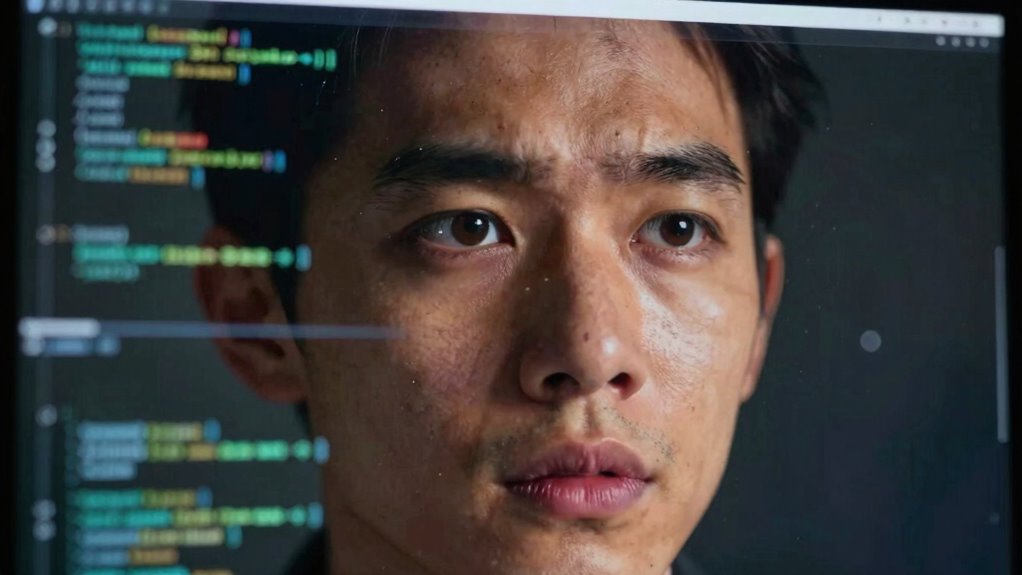

Deepfake awareness means you learn to spot manipulated videos and question what you see online. You recognize that AI can create highly realistic but fake content that could mislead or harm others. Staying alert helps you evaluate sources responsibly and avoid spreading false information. By understanding visual manipulation techniques and ethical concerns, you become a smarter internet user. If you keep exploring, you’ll discover practical tips to protect yourself and improve your digital safety.
Key Takeaways
- Recognizing deepfakes helps users critically evaluate online videos and prevent misinformation from spreading.
- Understanding deepfake technology raises awareness of potential manipulation in media content.
- Developing media literacy enables users to question the authenticity of videos before sharing or believing them.
- Staying informed about detection techniques empowers users to identify and avoid malicious deepfakes.
- Responsible media consumption promotes trust and integrity in digital communication environments.

Have you ever wondered how realistic videos of public figures or celebrities can be manipulated to say things they never actually said? That’s the power of deepfakes, and understanding this technology is becoming essential for everyday internet users. Deepfake awareness involves recognizing how easily videos can be altered and the potential consequences of consuming or sharing such content without question. These synthetic media creations can be convincing enough to deceive even the most cautious viewers, making it vital for you to stay informed and skeptical of what you see online.
The rise of deepfakes raises significant ethical implications. When manipulated videos are used maliciously, they can spread misinformation, damage reputations, or influence public opinion unfairly. As an internet user, you need to be aware that not everything you watch is authentic. Ethical concerns also extend to the creators of deepfake technology, who might use it responsibly for entertainment or education but often face moral dilemmas when such tools are exploited for fraud, harassment, or political manipulation. Recognizing the ethical implications helps you understand why verifying sources and questioning the authenticity of videos is crucial in maintaining honesty and integrity in digital spaces.
Along with ethical issues, technological challenges make deepfake detection difficult. The rapid advancement of AI and machine learning techniques has made creating hyper-realistic fakes easier and more accessible. This means that as a user, you could encounter more convincing deepfakes, making it harder to distinguish real from manipulated content. Detecting these fakes requires sophisticated tools and critical thinking skills—skills you should develop to protect yourself from falling prey to misinformation or scams. Staying updated on new detection methods and understanding how deepfakes are made can empower you to critically evaluate the videos you encounter. Additionally, being aware of visual manipulation techniques can further enhance your ability to spot fakes and protect yourself. Developing a media literacy mindset is essential in this context, as it encourages questioning and analysis of online content beyond surface appearances.
Moreover, understanding the technological challenges behind deepfake creation helps you appreciate the ongoing efforts to combat misinformation. Researchers and tech companies are continuously developing better detection software, but the arms race between fake creators and defenders is ongoing. As an internet user, it’s vital to remember that no single tool guarantees foolproof accuracy. Instead, combining technological awareness with a healthy dose of skepticism can help you navigate an increasingly complex media landscape. Furthermore, understanding the ethical implications of deepfake technology can guide you in making responsible choices about the content you trust and share. For instance, the development of deepfake detection tools is crucial in maintaining digital integrity, but these tools are not infallible.
In the end, deepfake awareness isn’t just about spotting fakes; it’s about understanding the broader implications of this technology for society and your personal digital safety. By recognizing the ethical issues and technological hurdles involved, you can become a more responsible consumer of online content, helping to foster a safer, more truthful internet environment.

Deepfake and Image Forgery Detection: Cybersecurity, Multimedia Forensics, Image Manipulation (De Gruyter STEM)
As an affiliate, we earn on qualifying purchases.
As an affiliate, we earn on qualifying purchases.
Frequently Asked Questions
How Can I Identify a Deepfake Video?
To identify a deepfake video, you should look for visual inconsistencies like irregular blinking, unnatural facial movements, or mismatched lighting. Pay attention to voice mismatches, such as audio that doesn’t sync perfectly with lip movements or sounds that seem out of place. These signs often indicate manipulation. Stay skeptical of videos that seem too perfect or unusual, and use verification tools or reverse image searches to confirm authenticity.
Are Deepfakes Illegal in My Country?
Deepfakes’ legality depends on your country’s laws, focusing on legal implications and privacy concerns. In many places, creating or sharing malicious deepfakes can be illegal, especially if they harm someone’s reputation or invade privacy. You should check your local regulations to understand specific restrictions. Staying informed helps you avoid legal trouble and protects others’ privacy rights, ensuring you use deepfake technology responsibly and ethically.
What Tools Are Available to Create Deepfakes?
Around 96% of deepfake videos are created using accessible tools. You can use platforms like DeepFaceLab, FaceApp, or Zao to create synthetic media. While these tools are impressive, ethical considerations are vital—misusing deepfakes can harm reputations or spread misinformation. Always make sure you’re using these tools responsibly, respecting privacy, and understanding the potential for misuse. Staying informed helps you navigate the ethical landscape of deepfake creation.
How Prevalent Are Deepfakes Online Today?
Deepfakes are increasingly prevalent online today, as synthetic media spreads across social platforms and websites. You might encounter manipulated videos or images designed to mislead or spread misinformation risks. Staying vigilant is essential, as deepfakes can be convincing and harmful. By recognizing signs of synthetic media, you help protect yourself and others from disinformation, ensuring you don’t fall victim to malicious intent behind these realistic-looking but fake digital creations.
Can Deepfakes Be Used for Positive Purposes?
Yes, deepfakes can be used for positive purposes. They offer opportunities for ethical considerations in fields like entertainment, education, and charity campaigns. You might see them used to bring historical figures to life for learning or create personalized content for therapy and support. When used responsibly, deepfakes can enhance storytelling, promote awareness, and foster innovation, provided creators prioritize ethical considerations and transparency to prevent misuse.
video authenticity verification tools
As an affiliate, we earn on qualifying purchases.
As an affiliate, we earn on qualifying purchases.
Conclusion
Staying aware of deepfakes means you’re better prepared to spot the real from the fake. As the saying goes, “Forewarned is forearmed,” so keep questioning what you see online. By sharpening your awareness, you protect yourself from being misled and help prevent the spread of false information. Remember, in the digital age, knowledge is your best defense—stay vigilant, stay informed, and don’t take everything at face value.

Teaching Students to Decode the World: Media Literacy and Critical Thinking Across the Curriculum
As an affiliate, we earn on qualifying purchases.
As an affiliate, we earn on qualifying purchases.

AMOROM 7 in 1 Hidden Camera Detectors, GPS Tracker Finder with AI-Powered Detection, OLED Display, 7 Modes, Anti-Theft, Flashlight, Spy Camera Detector for Travel/Hotel/Car/Bathroom, Black
✔️【AI-Powered Detection】With advanced AI algorithms, AMOROM hidden camera detector analyzes electromagnetic signals, Wi-Fi anomalies, and lens reflections to…
As an affiliate, we earn on qualifying purchases.
As an affiliate, we earn on qualifying purchases.