

To develop your emotional intelligence as a leader, focus on building self-awareness through mindfulness and reflection, which helps you recognize and regulate your emotions. Practice active empathy by truly listening to your team and understanding their perspectives. Enhancing these skills fosters trust, genuine connections, and resilience, inspiring your team to perform at their best. If you want to learn how to strengthen your EQ further, keep exploring ways to integrate these techniques into your leadership style.
Key Takeaways
- Cultivate self-awareness through mindfulness, reflection, and journaling to understand and regulate your emotions effectively.
- Practice active listening and observe non-verbal cues to build genuine empathy with team members.
- Foster an environment of trust and openness by demonstrating care and understanding of others’ perspectives.
- Develop emotional regulation skills to respond thoughtfully rather than react impulsively during challenges.
- Continuously enhance emotional intelligence skills to inspire trust, resilience, and authentic connections within teams.

Have you ever wondered why some leaders inspire loyalty and trust while others struggle to connect with their teams? The answer often lies in their emotional intelligence (EQ). Developing your EQ isn’t just about understanding emotions; it’s about actively cultivating skills that foster genuine connections. One of the most powerful ways to do this is through empathy building. When you focus on understanding your team members’ perspectives, you create an environment of trust and openness. It’s not enough to simply listen; you need to listen with intent, paying attention to non-verbal cues and emotional undercurrents. By practicing empathy, you demonstrate that you value their feelings, which encourages them to be more engaged and committed. Empathy building is a continuous process, and it starts with self-awareness.
Empathy builds trust and connection, starting with self-awareness and active listening to understand your team’s perspectives.
Self-awareness techniques are essential for developing your EQ because they help you recognize your own emotions and understand how they influence your behavior. When you’re aware of your feelings, you can better regulate your responses and avoid reacting impulsively. Techniques such as journaling, mindfulness, and reflection can help you tune into your emotional state throughout the day. For example, taking a few moments before a meeting to check in with yourself can prevent negative emotions from clouding your judgment. Practicing mindfulness allows you to stay present and focused, which enhances your ability to empathize genuinely. Recognizing your emotional triggers also helps you manage reactions better, fostering a calmer, more composed leadership style. Additionally, understanding the principles of the Law of Attraction can support positive mindset shifts that improve your emotional resilience and influence your interactions.
Building empathy and self-awareness are interconnected skills that reinforce each other. As you become more attuned to your own emotions, you naturally develop a deeper understanding of others’ feelings. This heightened awareness enables you to respond more thoughtfully and compassionately, strengthening your relationships with your team. It’s not about being perfect but about making consistent efforts to improve. You can incorporate simple self-awareness techniques into your daily routine—pause before responding to stressful situations, ask yourself why you feel a certain way, or seek feedback from trusted colleagues. The more you practice, the more natural these skills become, helping you lead with authenticity and emotional depth.
Ultimately, developing your EQ through empathy building and self-awareness techniques transforms you into a leader who inspires loyalty and trust. It’s about creating an environment where your team feels understood and valued. As you grow in these areas, you’ll find yourself steering through challenges with greater resilience and fostering a workplace culture rooted in genuine connection. Leadership driven by emotional intelligence isn’t just effective—it’s transformative for everyone involved.

The Emotional Intelligence Journal: A Guided Companion for Building Self-Awareness, Emotional Resilience, and Deeper Connections
As an affiliate, we earn on qualifying purchases.
As an affiliate, we earn on qualifying purchases.
Frequently Asked Questions
How Can Leaders Assess Their Current Emotional Intelligence Levels?
You can assess your emotional intelligence levels by using self-assessment tools like quizzes or surveys designed to measure emotional awareness and regulation. Reflect on how well you recognize your feelings and respond to others. Pay attention to your empathy and communication skills in different situations. Regularly evaluating yourself helps identify strengths and areas for improvement, enabling you to develop greater emotional awareness and become a more effective, inspiring leader.
What Are Common Challenges in Developing EQ for Seasoned Leaders?
You might face challenges like maintaining emotional resilience during high-pressure situations and adapting empathy training to suit your leadership style. Seasoned leaders often struggle with staying open to new emotional insights, which can hinder growth. To overcome these, prioritize building emotional resilience and engage in ongoing empathy training. This helps you connect better with your team, foster trust, and lead with greater emotional intelligence.
How Does Cultural Diversity Impact Emotional Intelligence in Leadership?
Cultural diversity is like a vibrant tapestry that challenges your emotional intelligence. You need to develop cross-cultural empathy and adapt your communication to connect effectively across different backgrounds. By understanding diverse perspectives, you foster trust and inclusion. Recognizing cultural nuances in emotions helps you respond authentically, strengthening your leadership. Embracing these differences makes your emotional intelligence a bridge that unites your team, inspiring collaboration and shared success.
Can Emotional Intelligence Be Taught to Already Established Teams?
Yes, emotional intelligence can be taught to already established teams through targeted team building activities focused on emotional awareness. You can facilitate open discussions, empathy exercises, and active listening practices to help team members recognize and understand their emotions and those of others. By fostering a culture of emotional awareness, you encourage better communication, collaboration, and overall team cohesion, leading to a more emotionally intelligent and resilient team.
What Role Does Feedback Play in Enhancing Leadership EQ?
Did you know that 69% of managers say feedback is essential for emotional growth? Feedback plays a vital role in enhancing your leadership EQ by helping you recognize your strengths and areas for improvement. It fosters self-awareness and empathy, both crucial for inspiring your team. Prioritize giving and receiving honest feedback; it not only improves your emotional intelligence but also builds trust and drives better team performance.

Communication! The Key to Been Heard: A Soft Skills Training Course
As an affiliate, we earn on qualifying purchases.
As an affiliate, we earn on qualifying purchases.
Conclusion
By developing your emotional intelligence, you’re planting the seeds for a thriving leadership garden. As you nurture empathy, self-awareness, and connection, your team blossoms with trust and motivation. Remember, EQ is the weather that shapes your leadership landscape—sometimes sunny, sometimes stormy. With consistent care, you’ll create an environment where your team can flourish, transforming challenges into opportunities and guiding your collective growth toward a vibrant, resilient future.
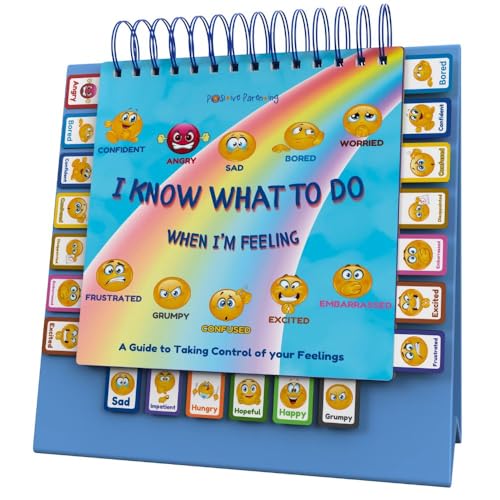
Thought-Spot I Know What to Do Flipbook | Emotions Wheel & Feelings Chart | Emotional Regulation Tool for Home, Class, or Calm Down Corner | Helps Kids Learn Coping Skills | Autism Must-Have
Understand & Express Everyday Feelings: Visually guides children ages 3–5 to recognize and name their emotions. This flipbook…
As an affiliate, we earn on qualifying purchases.
As an affiliate, we earn on qualifying purchases.

52 Essential Emotional Intelligence Training – Relationship Skills Card Game for Empathy, Trust Building Activities, Conversation Starters, Team Icebreaker Tools – by Harvard Researcher
Featured in Forbes, CNBC, Business Insider, PopSugar: Packed with effective language, skills, and strategies; improve personal and professional…
As an affiliate, we earn on qualifying purchases.
As an affiliate, we earn on qualifying purchases.