

In the workplace, your emotional skills often matter more than your cognitive scores because they influence how you connect with others, lead teams, and handle conflicts. High emotional intelligence allows you to read colleagues’ emotions, respond empathetically, and foster trust. While IQ helps with problem-solving, strong EQ boosts collaboration, motivation, and resilience. Developing your emotional skills can lead to long-term success and a positive work environment—discover the key strategies behind this powerful advantage.
Key Takeaways
- Emotional skills foster teamwork, trust, and effective communication, which are crucial for workplace success beyond cognitive ability.
- High EQ enables better conflict resolution and emotional regulation, leading to a more harmonious work environment.
- Leadership effectiveness depends more on empathy and emotional awareness than solely on cognitive intelligence.
- Relying only on IQ overlooks the importance of social dynamics and relationship-building in professional settings.
- Developing EQ enhances long-term career growth by promoting engagement, resilience, and positive workplace culture.

Have you ever wondered whether emotional intelligence (EQ) or intellectual ability (IQ) plays a bigger role in success? In today’s workplace, EQ is increasingly recognized as a critical factor that influences how well you work with others and lead teams. While IQ can help you solve complex problems and process information quickly, it’s your emotional skills that truly determine your ability to foster effective collaboration and inspire confidence in your leadership. When it comes to team collaboration, high EQ allows you to read the emotions of your colleagues, respond with empathy, and create a harmonious environment where everyone feels valued. This emotional awareness helps prevent conflicts from escalating and encourages open communication, which ultimately boosts productivity and morale. You’re more likely to notice when someone is struggling or disengaged and step in with support, making the team stronger as a whole.
Leadership effectiveness hinges heavily on your capacity to connect with others on an emotional level. Leaders with high EQ are better equipped to motivate their teams, handle stress, and adapt to changing circumstances. They don’t just rely on their cognitive skills to make decisions; they understand the emotional context behind those decisions and can communicate with authenticity. This ability to empathize and regulate your own emotions fosters trust and loyalty among team members. It’s not enough to be technically skilled; people want to follow a leader who understands their concerns and values their contributions. When you demonstrate emotional intelligence, you set a tone of openness and respect that encourages collaboration and innovation. Your team feels safe sharing ideas and voicing concerns, which leads to more creative solutions and a resilient work environment.
In contrast, relying solely on IQ might make you appear competent but can fall short in building meaningful relationships or inspiring others. Success in the workplace is often less about raw cognitive ability and more about how you manage your emotions and those of others. Emotional intelligence enhances your leadership effectiveness by enabling you to navigate social complexities, manage conflicts gracefully, and foster a culture of mutual respect. When you prioritize developing your EQ alongside your cognitive skills, you create a dynamic that promotes teamwork, engagement, and long-term success. Ultimately, mastering emotional skills not only elevates your personal growth but also empowers you to lead more effectively in today’s collaborative and ever-changing work environment.

The Emotional Intelligence Training Book: From Reaction to Response: 50 Short Lessons in Self-Awareness, Self-Regulation, and Relationships
As an affiliate, we earn on qualifying purchases.
As an affiliate, we earn on qualifying purchases.
Frequently Asked Questions
How Can I Improve My Emotional Intelligence Skills Effectively?
To improve your emotional intelligence skills, start with mindfulness training to stay present and aware of your emotions. Practice empathy exercises by actively listening to others and considering their perspectives. Reflect on your reactions and learn to manage your feelings effectively. Consistently applying these strategies helps you build stronger relationships, enhance your emotional awareness, and develop better communication skills, making you more emotionally intelligent in the workplace.
Do High EQ Individuals Always Outperform High IQ Counterparts?
Think of emotional intelligence as a finely tuned compass guiding your interactions. High EQ individuals don’t always outperform high IQ counterparts because success depends on more than just intelligence; it relies on emotion recognition and empathy development. While EQ helps navigate relationships and build trust, IQ fuels analytical skills. Combining both creates a powerful balance, but being emotionally attuned often gives you an edge in teamwork and leadership.
Are Emotional Skills More Important for Leadership Than Technical Skills?
Yes, emotional skills are more important for leadership than technical skills. As a leader, your ability to foster team collaboration and navigate conflict resolution is vital. When you demonstrate empathy, communicate effectively, and manage emotions, you create a positive environment that motivates your team. Technical skills matter, but without emotional intelligence, you may struggle to inspire trust, resolve conflicts, and build strong, cohesive teams essential for long-term success.
Can EQ Be Developed at Any Age or Is It Fixed?
Yes, emotional intelligence (EQ) can be developed at any age. You can actively improve your emotional growth through lifelong learning, such as practicing mindfulness, seeking feedback, and enhancing your communication skills. While some aspects of EQ may naturally evolve, consistent effort and self-awareness are key. No matter your age, you have the ability to strengthen your emotional skills, leading to better relationships and more effective leadership.
How Do Companies Measure Emotional Intelligence During Hiring?
You can measure emotional intelligence during hiring through personality assessments that evaluate traits like empathy, self-awareness, and social skills. These tools provide insights into how candidates handle emotions and interact with others. To guarantee fairness, companies also implement bias mitigation strategies, reducing subjective judgments. This approach helps identify candidates with strong emotional skills, which are increasingly valued alongside technical abilities in today’s workplace.

Who What Why Conversation Cards for Kids – Learning Game for Social Skills, Emotional Intelligence & Critical Thinking – Speech Therapy Resources, Sequencing Game & Articulation Materials, Ages 4+
DEVELOP EMOTIONAL & SOCIAL INTELLIGENCE – Who What Why conversation cards for kids use friendly illustrations of real-life…
As an affiliate, we earn on qualifying purchases.
As an affiliate, we earn on qualifying purchases.
Conclusion
Think of your workplace like a garden. IQ is the seed—important, but it’s your EQ that waters and nurtures growth. When you handle conflicts with empathy or inspire your team, you’re tending to the soil, allowing success to flourish. Studies show emotional skills predict leadership effectiveness more than cognitive scores. So, invest in your EQ; it’s the sunlight that helps your talents grow, turning potential into real achievement.
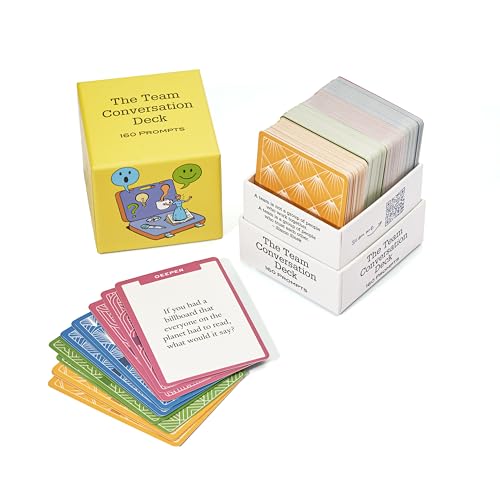
Leader Tools 160 Team Building Cards for Managers – Build Trust & Improve Team Performance – 4 Categories from Light Icebreakers to Strategic Team Questions – for Meetings, 1-on-1s & Team Offsites
100% Work-Safe, Zero Pre-Screening Needed – Every card tested with real teams across all hierarchy levels. No awkward…
As an affiliate, we earn on qualifying purchases.
As an affiliate, we earn on qualifying purchases.

The Empathy Dilemma: How Successful Leaders Balance Performance, People, and Personal Boundaries
As an affiliate, we earn on qualifying purchases.
As an affiliate, we earn on qualifying purchases.