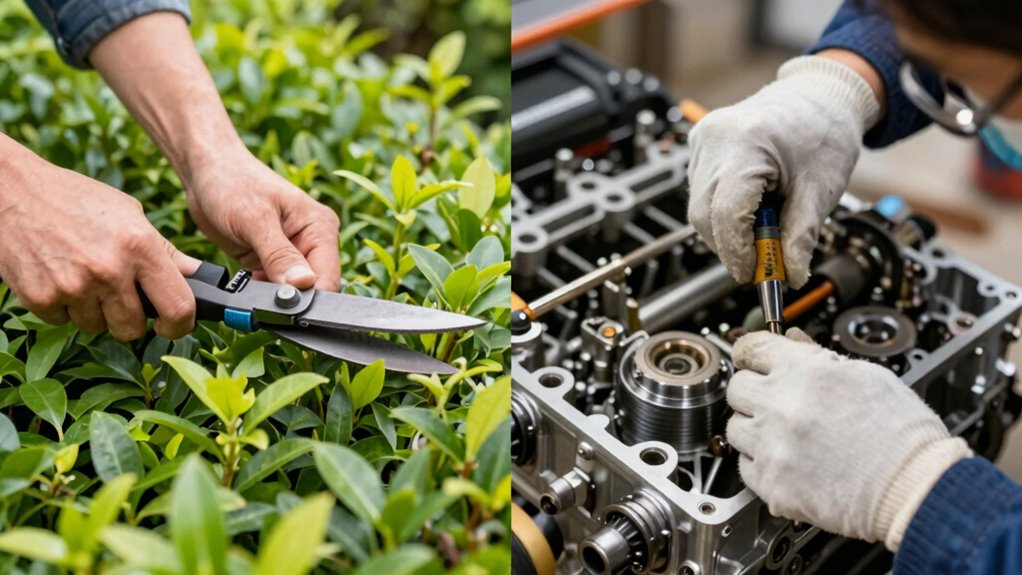

The main difference between prevention and optimization is that prevention focuses on stopping problems before they happen, using planning, safety measures, and risk management. Optimization, on the other hand, reacts after issues occur, refining processes for better performance and efficiency. While prevention aims to eliminate hazards early, optimization helps you respond and improve dynamically. To build more resilient systems, it’s essential to understand how both strategies complement each other—continue exploring to see how you can balance them effectively.
Key Takeaways
- Prevention proactively avoids problems through planning and risk management, while optimization reacts to issues to improve processes.
- Prevention reduces the likelihood of failures before they occur, whereas optimization refines systems after issues are identified.
- Prevention focuses on long-term risk reduction; optimization emphasizes continuous improvement and responsiveness.
- Prevention requires extensive foresight and systematic planning, whereas optimization depends on analyzing and fixing existing problems.
- Both strategies are essential; prevention minimizes future risks, while optimization enhances current performance and resilience.

Have you ever wondered whether it’s better to focus on preventing problems before they happen or to fix issues as they arise? The truth is, both approaches play crucial roles in maintaining a successful operation, but understanding their differences can shape how you allocate your resources. Prevention centers on proactive measures, emphasizing risk management to identify potential problems early. When you invest in prevention, you’re fundamentally trying to eliminate or reduce hazards before they cause damage. This approach involves thorough planning, establishing safety protocols, training staff, and conducting regular process improvement initiatives. By addressing vulnerabilities beforehand, you minimize the chances of disruptions, defects, or failures that could impact your goals.
Prevention focuses on proactive measures to identify and reduce potential problems before they cause damage.
On the other hand, optimization is about making adjustments and improvements after issues occur or when inefficiencies are detected. Instead of solely focusing on avoiding problems, you respond to them quickly, fixing what’s broken and refining processes to prevent recurrence. This reactive approach is essential for maintaining agility, particularly when unforeseen challenges emerge. When you use process improvement techniques, you analyze failures or bottlenecks and implement solutions that enhance overall performance. Optimization often involves continuous feedback loops, where lessons learned from past issues inform future actions, leading to smarter, more efficient operations. Incorporating feedback loops into your strategies is especially powerful for fostering continuous growth and adaptation.
While prevention relies heavily on risk management strategies, it demands foresight and thorough planning. You aim to anticipate setbacks and implement controls that make those setbacks less likely or less damaging. Prevention reduces the need for costly fixes later on, saving time and resources in the long run. Additionally, understanding the plant properties of herbal remedies can be crucial for effective herbal formulations, as different parts of plants contain varying active components. However, it’s impossible to prevent every problem, especially in complex systems where variables constantly change. That’s why integrating systematic defect detection practices can significantly enhance your prevention efforts by catching issues early before they escalate. Recognizing that both prevention and adaptive strategies are necessary can help you develop a more resilient system that balances proactive and reactive measures. Ultimately, the real difference lies in their focus: prevention aims to stop problems before they happen, while optimization seeks to improve and adapt once issues occur. Both strategies are essential and often work best together. By integrating risk management practices with ongoing process improvement, you create a resilient system that’s prepared for challenges and capable of evolving. Recognizing when to prioritize prevention and when to shift toward optimization helps you build a balanced approach—one that protects your operations and drives continuous improvement. It’s not about choosing one over the other but knowing how to leverage both for sustainable success.
As an affiliate, we earn on qualifying purchases.
Frequently Asked Questions
How Do Prevention and Optimization Impact Overall Business Strategy?
Prevention and optimization shape your overall business strategy by enhancing risk management and resource allocation. Prevention minimizes potential issues upfront, saving costs and protecting your reputation. Optimization fine-tunes processes to maximize efficiency and output. Together, they help you strategically allocate resources, reducing risks while boosting performance. This balanced approach guarantees your business stays resilient, competitive, and prepared for challenges, ultimately driving sustainable growth and success.
Can Prevention and Optimization Be Used Simultaneously?
Yes, prevention and optimization can be used simultaneously. While prevention focuses on risk management by proactively avoiding issues, optimization fine-tunes resource allocation for peak efficiency. Combining both allows you to minimize risks and maximize performance at the same time. This integrated approach guarantees your business stays resilient, efficiently manages resources, and continuously improves, creating a balanced strategy that leverages the strengths of both prevention and optimization for sustained success.
What Industries Benefit Most From Prevention Techniques?
You’ll find industries like manufacturing, healthcare, and aviation benefit most from prevention techniques. By focusing on risk management and quality assurance, these industries proactively identify potential issues before they occur, reducing costly errors and ensuring safety. Prevention helps you maintain high standards, minimize downtime, and protect your reputation. Implementing preventive measures saves money in the long run and keeps operations running smoothly, ultimately enhancing customer trust and compliance with regulations.
How Do Costs Compare Between Prevention and Optimization Efforts?
Think of prevention as planting a sturdy seed and optimization as tending to a blooming garden. Prevention efforts often have higher upfront costs but save you from costly issues later, boosting cost efficiency and risk management. Optimization, while sometimes cheaper initially, may lead to increased expenses if problems arise, making it a less predictable investment. Balancing both helps you grow a resilient, cost-effective operation.
When Should a Company Prioritize Prevention Over Optimization?
You should prioritize prevention over optimization when risk management indicates that preventing issues saves more resources and reduces long-term costs. Focus on prevention early, especially if potential failures could cause significant damage or downtime. Proper resource allocation is essential—you’ll need to balance investments in preventive measures with ongoing optimization efforts. By doing so, you minimize risks upfront, ensuring smoother operations and better overall efficiency in the long run.
As an affiliate, we earn on qualifying purchases.
Conclusion
So, remember, prevention is your trusty knight guarding the castle gates, stopping issues before they start. Optimization, on the other hand, is your savvy engineer fine-tuning the machinery to run smoother. Think of it like fixing a leaky faucet with a wrench versus installing a state-of-the-art water-saving system. Both are essential, but knowing when to wield your sword or turn the wrench makes all the difference. Stay wise, stay proactive—it’s the secret sauce to success.
As an affiliate, we earn on qualifying purchases.
As an affiliate, we earn on qualifying purchases.