
Your social connections play a vital role in shaping your lifespan and overall well-being. Strong relationships and community involvement boost your emotional health, help you manage stress, and encourage healthier habits. They provide support, reduce loneliness, and foster resilience over time. The more you nurture meaningful bonds, the greater your chances of living longer and enjoying a better quality of life. Keep exploring to discover more ways these connections can transform your health.
Key Takeaways
- Strong social bonds contribute to emotional resilience and can increase lifespan by promoting mental and physical health.
- Engaging in community activities fosters a sense of belonging, reducing loneliness and associated health risks.
- Emotional support networks help buffer stress, anxiety, and depression, positively impacting overall health and longevity.
- Building and maintaining social relationships encourages healthier behaviors like exercise and proper nutrition.
- Long-term social connections provide stability, joy, and a support system that enhances quality of life and emotional well-being.
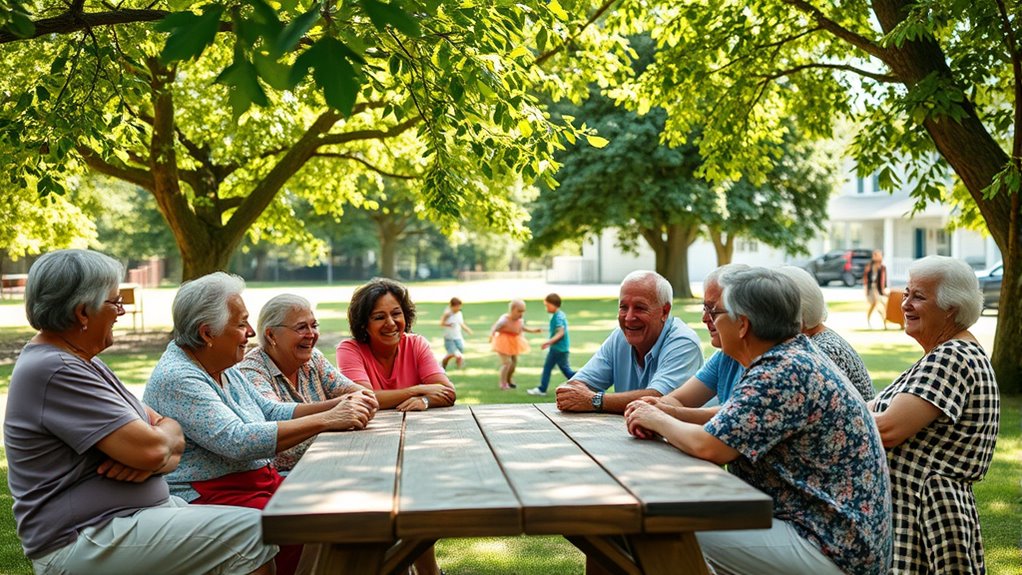
Have you ever wondered how the connections you build influence your happiness and well-being? It turns out, your relationships play a pivotal role in your overall health and even your lifespan. When you engage in community activities, you’re not just passing time—you’re actively fostering a sense of belonging that boosts your emotional well-being. Community engagement allows you to connect with others who share your interests, values, or goals, creating a support network that can lift you during tough times and celebrate your successes. These interactions provide a sense of purpose and help combat feelings of loneliness or isolation, which are linked to numerous health issues. The more involved you are in your community, the more opportunities you have to develop meaningful relationships that contribute to your emotional resilience. Acne patches can also serve as a small act of self-care, boosting your confidence and mood during challenging times. Emotional support is another essential aspect of social connections that directly impacts your health. When you have people you can turn to, whether friends, family, or community members, you gain a safe space to share your thoughts and feelings. This emotional support acts as a buffer against stress, anxiety, and depression, which can otherwise take a toll on your physical health over time. It’s not just about having someone listen; it’s about feeling understood, valued, and cared for. When you receive emotional support, your body responds by reducing cortisol levels and lowering blood pressure, which can help prevent chronic illnesses. Conversely, giving emotional support to others also enhances your own well-being. It creates a reciprocal cycle where both parties benefit, strengthening your bonds and fostering a sense of mutual trust.
Building and maintaining social connections requires effort, but the payoff is significant. You’ll find that these relationships can motivate you to lead healthier lifestyles—encouraging you to exercise, eat well, and pursue activities that bring you joy. They also motivate you to stay engaged and active, which is linked to longer lifespan and improved mental health. Whether it’s participating in a local club, volunteering, or simply reaching out to a friend, each act of community engagement deepens your connection and enhances your emotional support network. Over time, these relationships become an essential part of your life, providing stability, joy, and resilience. In the end, nurturing your social connections isn’t just good for your social life—it’s indispensable for your longevity and quality of life.
Frequently Asked Questions
How Do Social Connections Influence Mental Health Over Time?
Social connections boost your mental health over time by strengthening emotional resilience and providing essential support networks. When you maintain strong relationships, you’re more likely to handle stress effectively and recover from setbacks. Support networks offer encouragement and understanding, which reduces feelings of loneliness and anxiety. These bonds help you develop a positive outlook, improving your overall well-being and mental stability throughout life.
What Role Do Technology and Social Media Play in Relationships?
You’re riding the digital wave, and technology plays a big part in your relationships. Virtual interactions keep you connected, making it easier to stay in touch no matter the distance. But you need to set clear digital boundaries so these interactions don’t take over your life. Social media can boost your bonds or cause stress. Use it wisely, and you’ll find it’s a powerful tool for strengthening relationships rather than replacing real-world connections.
Can Social Relationships Replace Physical Activity in Promoting Longevity?
Social relationships can’t replace physical activity in promoting longevity, but they profoundly boost your social support and emotional well-being. Engaging with loved ones provides mental health benefits that complement physical health, helping you stay motivated and resilient. While emotional connections improve your overall happiness, regular exercise remains essential for physical health. Combining both social interactions and physical activity offers the best chance to enhance your lifespan and quality of life.
How Do Cultural Differences Affect Social Connection Benefits?
Cultural norms act like a tailor’s needle, stitching social connection benefits into the fabric of your life differently worldwide. In some cultures, social integration is a vibrant tapestry, fostering close bonds that boost longevity. Elsewhere, individualism weaves independence into daily routines. You’ll find that understanding these cultural differences helps you nurture meaningful relationships, maximizing their positive impact on your health and lifespan across diverse social landscapes.
What Are Effective Strategies to Build New Social Bonds Later in Life?
You can build new social bonds later in life by engaging in community activities and volunteer opportunities. Join local clubs or groups that match your interests, and attend events regularly. Volunteering not only helps others but also connects you with like-minded people. Be open, approachable, and consistent; over time, these efforts foster meaningful relationships, enriching your social life and supporting your well-being as you age.
Conclusion
You might think relationships are just nice to have, but they’re actually the secret to living a longer, healthier life. When you nurture your social connections, you’re fueling your well-being more powerfully than any medicine. Imagine the impact—your bonds could add years to your life, making every moment richer. So, don’t underestimate the power of friendship and love; they’re your most unstoppable tools for a vibrant, thriving future.