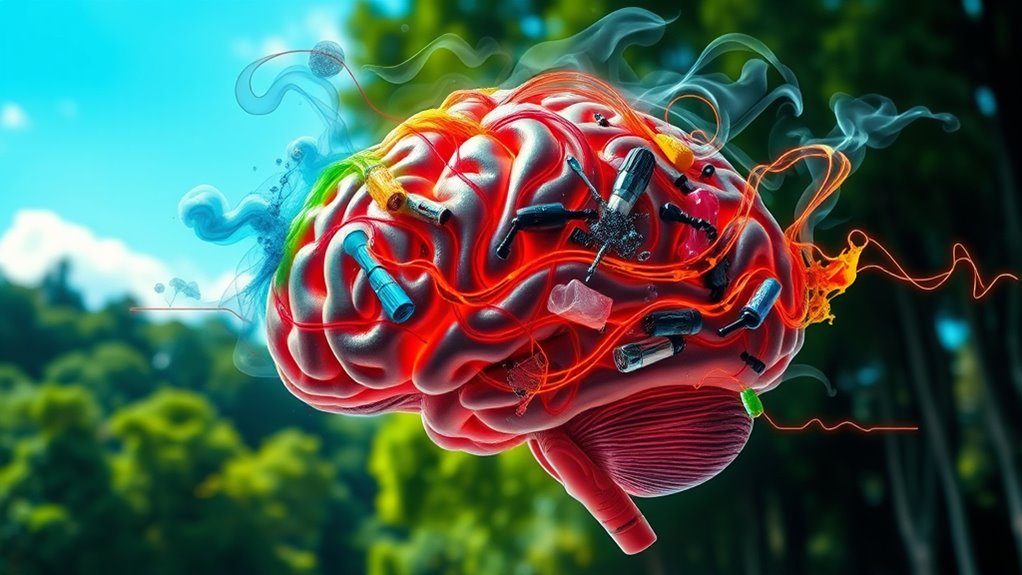

To protect your brain from environmental toxins, minimize indoor pollutants by ventilating your space, using HEPA air purifiers, and choosing natural cleaning products. Opt for organic produce and wash it thoroughly to reduce pesticide exposure. Stay aware of local pesticide applications and avoid contact whenever possible. Making these small, consistent adjustments can markedly cut your risk of neurodegenerative issues. Continue exploring how to shield your brain from hidden toxins and keep it sharp over time.
Key Takeaways
- Indoor pollutants like VOCs cause inflammation and oxidative stress, impairing neural signaling and brain health.
- Pesticide residues on produce can cross the blood-brain barrier, increasing risks of neurodegenerative diseases.
- Long-term toxin exposure may lead to memory issues, decreased concentration, and mood disturbances.
- Regular ventilation, natural cleaning, and air purifiers reduce indoor toxin levels, supporting brain health.
- Choosing organic foods and staying informed about pesticide use help minimize neurotoxin ingestion.

Environmental toxins are an increasingly vital threat to neurohealth, as exposure to harmful chemicals can impair brain function and development. You might not realize it, but the air inside your home could be laden with indoor pollutants that affect your brain over time. These pollutants include volatile organic compounds (VOCs) from household cleaning products, paints, and air fresheners. When you breathe in these substances daily, they can cause inflammation, oxidative stress, and even disrupt neural signaling. Recognizing and reducing indoor pollutants is a key step in protecting your neurohealth. Ventilating your home regularly, choosing natural cleaning alternatives, and avoiding products with strong chemical scents can considerably cut down your exposure. You might also consider investing in air purifiers with HEPA filters to trap fine particles and toxins that lurk in your indoor environment.
Pesticide exposure is another vital concern when it comes to safeguarding your brain. Pesticides are chemicals used extensively in agriculture and sometimes even in your local parks or gardens. If you consume conventionally grown produce, residue from these chemicals can linger on fruits and vegetables. When you handle or ingest contaminated foods, pesticides can enter your bloodstream, cross the blood-brain barrier, and interfere with neural processes. Studies link pesticide exposure to neurodegenerative diseases like Parkinson’s and cognitive decline. To reduce this risk, you can choose organic options whenever possible, wash produce thoroughly, and avoid using chemical pesticides in your own yard. Additionally, staying informed about local pesticide applications can help you take extra precautions during spray seasons or community pest control efforts.
It’s essential to understand that these environmental toxins don’t just affect you momentarily—they can cause long-term damage. Chronic exposure to indoor pollutants and pesticides may lead to memory issues, decreased concentration, or mood disturbances over time. You don’t have to live in fear, but awareness empowers you to make smarter choices. Improving indoor air quality and minimizing pesticide contact are manageable steps that can make a real difference in protecting your brain health. Small adjustments—such as opening windows, switching to natural products, and opting for organic foods—add up. Recognizing the importance of reducing exposure to environmental toxins can help you take proactive steps to safeguard your cognitive health. By taking control of your environment, you actively support your neurohealth and reduce your risk of toxin-related cognitive decline. Your brain’s health is worth the effort, and these preventive measures can help ensure it stays sharp for years to come.

LEVOIT Air Purifiers for Home Large Room Up to 1875 Ft² with Washable Pre-Filter, AHAM VERIFIDE, Air Quality Monitor, HEPA Sleep Mode for Allergies, Pet Hair in Bedroom, Vital 200S-P, White
𝐖𝐇𝐘 𝐂𝐇𝐎𝐎𝐒𝐄 𝐀𝐇𝐀𝐌 𝐕𝐄𝐑𝐈𝐅𝐈𝐃𝐄 𝐏𝐑𝐎𝐃𝐔𝐂𝐓𝐒: AHAM (Association of Home Appliance Manufacturers) is an ANSI-accredited organization that sets strict…
As an affiliate, we earn on qualifying purchases.
As an affiliate, we earn on qualifying purchases.
Frequently Asked Questions
How Do Environmental Toxins Specifically Affect Brain Development in Children?
Environmental toxins can impair your child’s brain development by disrupting brain plasticity, which is vital for learning and adaptation. Exposure may hinder synapse formation and neural connections, leading to deficits in cognitive resilience. As toxins interfere with healthy brain growth, your child’s ability to recover from injuries or challenges diminishes. To protect their development, minimize exposure and promote a toxin-free environment, supporting ideal brain function and resilience.
Are There Any Natural Supplements That Can Counteract Toxin Exposure Effects?
Imagine your brain as a garden, and antioxidant supplements and detox herbs as the gentle rain that clears away harmful toxins. These natural supplements may help counteract toxin effects by reducing oxidative stress and supporting your body’s detox processes. Incorporate antioxidant-rich foods or consider detox herbs like milk thistle and dandelion root to bolster your neurohealth. Always consult a healthcare professional before adding new supplements to your routine.
What Are the Long-Term Neurological Risks of Low-Level Toxin Exposure?
Low-level toxin exposure over time can increase your risk of chronic neurodegeneration and cognitive decline. Even small doses may subtly damage neurons, leading to long-term neurological issues. You might not notice immediate effects, but persistent exposure can accumulate, raising your chances of conditions like Alzheimer’s or Parkinson’s later in life. Protect your brain by minimizing toxin contact and supporting neurohealth through a healthy lifestyle.
How Can I Test My Home for Neurotoxic Environmental Hazards?
You can test your home for neurotoxic hazards by checking indoor air quality with a professional assessment or air quality monitors. Use lead testing kits, available at hardware stores, to detect lead in paint or dust. Make certain of proper ventilation, reduce exposure to household chemicals, and consider hiring specialists for extensive testing. Regularly monitoring indoor air quality and conducting lead tests help protect your brain from environmental toxins.
Do Certain Lifestyle Choices Increase Vulnerability to Environmental Neurotoxins?
Certain lifestyle choices can make you more vulnerable to environmental neurotoxins. For example, poor dietary habits lacking antioxidants and nutrients weaken your brain’s defenses. Similarly, sedentary exercise routines reduce blood flow and detoxification processes. To protect your neurohealth, focus on balanced eating and regular physical activity. These choices boost your body’s resilience, helping your brain better withstand environmental toxins and maintain peak function.
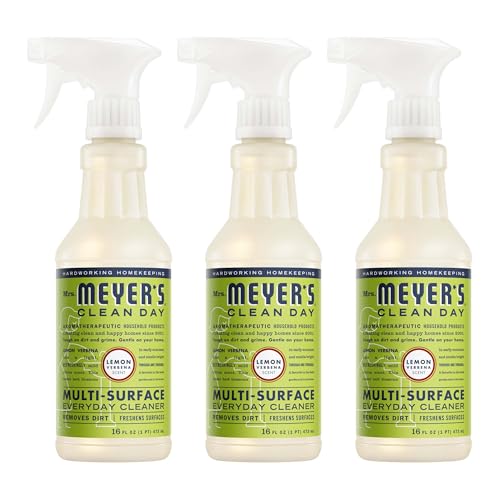
MRS. MEYER'S CLEAN DAY All-Purpose Cleaner Spray, Cruelty Free Formula, Lemon Verbena, 16 fl. oz – Pack of 3
REMOVES DIRT, FRESHENS SURFACES: A Multi-Surface Spray that cleans nonporous surfaces quickly, and leaves a fresh garden-inspired scent…
As an affiliate, we earn on qualifying purchases.
As an affiliate, we earn on qualifying purchases.
Conclusion
By being mindful of environmental toxins, you can protect your brain’s health. Imagine a woman who avoided excessive pesticide exposure and noticed sharper memory and focus over time. Small steps like choosing organic foods or using air purifiers can make a big difference. Your actions matter—reducing toxin exposure helps preserve your cognitive function now and in the future. Take control today, and give your brain the protection it deserves.

365 by Whole Foods Market, Organic Fruit & Vegetable Wash, 16 Fl Oz
USDA Organic fruit and vegetable wash in 16 fl oz bottle
As an affiliate, we earn on qualifying purchases.
As an affiliate, we earn on qualifying purchases.
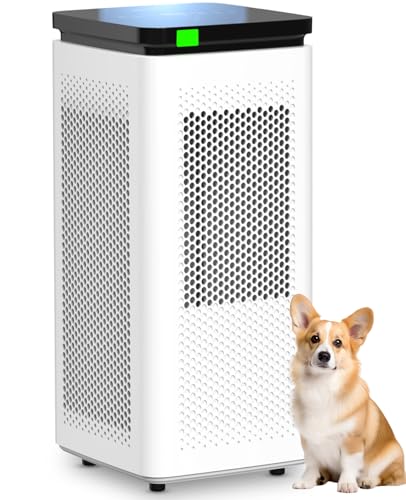
Air Purifiers for Home Large Rooms up to 3500 Ft², H13 True HEPA 0.1 Micron 99.97% Filtration with Carbon Filter, 235 CFM CADR, Removes Allergens, Pet Odor, Smoke, VOCs, 30dB Sleep Mode, PM2.5 Display
H13 True HEPA + Carbon Filter – Removes Allergens, Odors & Smoke: Equipped with H13 True HEPA (0.1μm,…
As an affiliate, we earn on qualifying purchases.
As an affiliate, we earn on qualifying purchases.