
Recent discoveries highlight specific longevity genes that influence healthy aging and lifespan extension. While genetic engineering tools like CRISPR make it possible to modify these genes, ethical questions arise about safety, consent, and fairness. Concerns include potential risks, unintended consequences, and societal impacts such as increased inequality. If you want to understand how these breakthroughs could change your future and the moral debates involved, there’s more to explore about the science and its implications.
Key Takeaways
- Recent genetic research has identified specific genes linked to increased lifespan and healthy aging.
- Genetic engineering tools like CRISPR enable targeted modifications to activate longevity genes.
- Ethical concerns include potential long-term health risks, consent issues, and unintended consequences across generations.
- Societal impacts involve risks of increased inequality and overpopulation due to lifespan extension technologies.
- Responsible use requires strict regulation to prevent misuse and address philosophical questions about natural life cycles.

Have you ever wondered why some people live considerably longer than others? It’s a question that has intrigued scientists for decades. Recent advances in genetics have brought us closer to understanding the secrets behind longevity, especially through the study of longevity genes. These genes influence how our bodies age, repair damage, and resist diseases. Researchers believe that by identifying and understanding these genes, we might someday extend healthy lifespans markedly. But as promising as this science is, it also raises important ethical implications.
Genetic engineering plays a key role here. With the ability to modify genes, scientists could potentially turn on or enhance longevity genes within our DNA. Imagine being able to slow down the aging process or prevent age-related diseases by tweaking specific genes. This isn’t just science fiction anymore; CRISPR and other gene-editing tools have made it technically feasible. However, the prospect of genetically engineering humans to live longer is fraught with ethical questions. Do we have the right to alter the fundamental blueprint of life? Could such modifications lead to unforeseen health issues or genetic mutations? These concerns aren’t just hypothetical—they strike at the core of what it means to be human.
The ethical implications extend beyond individual health. If longevity can be extended through genetic engineering, it could exacerbate social inequalities. Wealthier individuals might afford gene editing treatments, gaining substantial longevity advantages, while others could be left behind. This disparity might deepen societal divides, creating a class of “elite immortals” and leaving the rest to face aging and death as they always have. Moreover, there’s the question of consent: should future generations be subjected to genetic modifications they didn’t choose? The long-term consequences of altering longevity genes aren’t fully understood, and we risk unintended effects that could ripple through generations.
Additionally, the idea of extending life raises philosophical and moral dilemmas. Is it ethical to prolong life indefinitely? Would this lead to overpopulation and strain on resources? Some argue that focusing on extending lifespan might divert attention from improving quality of life and healthcare for those currently suffering from age-related illnesses. Others worry that manipulating our genes for longevity could undermine the natural cycle of life and death, challenging fundamental beliefs about mortality. Furthermore, understanding genetic modification safety and implementing strict controls are crucial to prevent misuse or accidental harm.
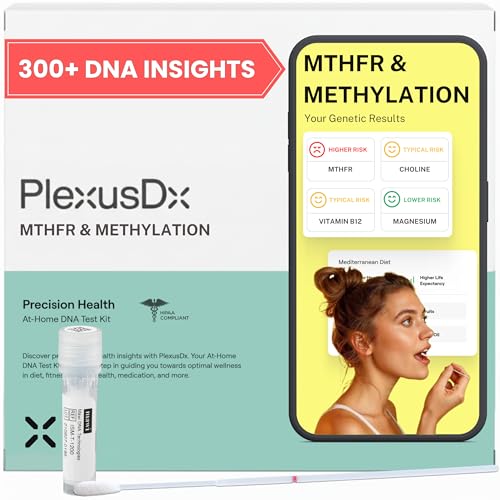
Genetic Methylation Test Kit & MTHFR Testing Kit | 300+ DNA Reports Including MTHFR Gene Variants, COMT, BHMT, AHCY and Folate | Custom Supplement & Meal Plan Recommendations with 10,000 Recipes
WHAT YOU GET: DNA reports related to Methylation Genetics , AHCY, BHMT, CBS, MTHFS, MTHFD1, MTHFD1L, MTR, MTRR,…
As an affiliate, we earn on qualifying purchases.
As an affiliate, we earn on qualifying purchases.
Frequently Asked Questions
Can Longevity Genes Be Artificially Enhanced or Modified?
You can potentially enhance or modify longevity genes through genetic engineering, aiming for lifespan extension. Advances in biotechnology allow scientists to target specific genes associated with aging, making it possible to slow down or even reverse some aging processes. However, this field is still evolving, and ethical considerations must be addressed. While the technology shows promise, it’s vital to weigh the risks and benefits before pursuing widespread genetic modifications for lifespan extension.
Are There Risks Associated With Gene Editing for Longevity?
You might think gene therapy for longevity sounds like a miracle, but it comes with risks you shouldn’t ignore. Ethical dilemmas abound, and unintended side effects could be just around the corner. Editing longevity genes might extend life, yet it could also cause genetic mishaps or inequalities. So, while it’s tempting to chase eternal youth, remember: playing genetic roulette could have consequences far beyond what you bargained for.
How Do Environmental Factors Influence Longevity Gene Expression?
Environmental factors markedly influence longevity gene expression through epigenetic regulation. You can see this in how lifestyle impacts your genes—things like diet, exercise, stress, and exposure to toxins can turn genes on or off. By making healthy choices, you help promote beneficial gene expression, potentially extending your lifespan. Conversely, poor environmental conditions may suppress longevity genes, increasing your risk of age-related diseases.
Will Longevity Gene Research Lead to Increased Health Disparities?
Yes, longevity gene research could widen health disparities by creating genetic inequality and access disparities. If advanced treatments or genetic testing become expensive or limited to certain populations, you might find yourself at a disadvantage based on your socioeconomic status or location. Without equitable access, only some people will benefit from breakthroughs, potentially increasing existing health gaps and making it harder for everyone to achieve ideal longevity.
What Are the Implications for Insurance and Healthcare Policies?
You should consider that advances in longevity gene research could prompt policy reform, especially around genetic privacy and insurance. Insurers might seek access to genetic data to assess risks, raising privacy concerns. As a result, healthcare policies may need updating to protect your genetic information from misuse, ensuring equitable access. Staying informed and advocating for strong privacy protections will help you navigate these evolving policies and defend your rights.

DIY Bacterial Genome Engineering CRISPR Kit
All-In-One kit, you don't need anything else but water and a microwave
As an affiliate, we earn on qualifying purchases.
As an affiliate, we earn on qualifying purchases.
Conclusion
You see, discovering longevity genes offers incredible potential, but it also raises important ethical questions. You must consider the implications of extending life, the fairness of access, and the impact on society. While these genes promise longer, healthier lives, you can’t ignore the risks of inequality and misuse. Ultimately, you hold the power to harness these discoveries responsibly, balancing hope with caution, innovation with ethics, and progress with morality.

TRU NIAGEN Patented NAD Supplement for Brain Function, Anti Aging & Cell Regeneration, 300mg Niagen, 30 Servings | Supports Cellular Energy, Muscle | Nicotinamide Riboside (NR) Take 1 Daily | 1 Bottle
A COMPLETE ANTI AGING SUPPLEMENT – Support whole body wellness and boost cellular energy with Tru Niagen, a…
As an affiliate, we earn on qualifying purchases.
As an affiliate, we earn on qualifying purchases.
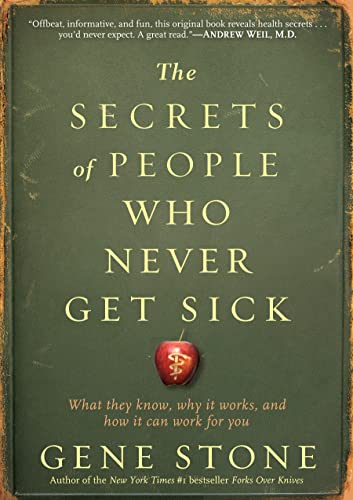
The Secrets of People Who Never Get Sick: What They Know, Why It Works, and How It Can Work for You
The Secrets of People Who Never Get Sick By Stone Gene
As an affiliate, we earn on qualifying purchases.
As an affiliate, we earn on qualifying purchases.