

Recent research shows microplastics are found in human brains, raising concerns about potential health risks. These tiny particles enter your body through contaminated water, food, or air and can cross biological barriers due to their small size. In the brain, microplastics may trigger inflammation, oxidative stress, and immune responses linked to neurodegenerative diseases. Understanding these effects could be important for your health, and exploring this topic further can reveal what you need to know.
Key Takeaways
- Recent studies confirm microplastics can cross the blood-brain barrier and accumulate in neural tissues.
- Microplastic presence in the brain may trigger inflammation, oxidative stress, and immune responses linked to neurodegeneration.
- Exposure occurs through contaminated water, food, and air, with bioaccumulation increasing health risks.
- Potential health effects include cognitive decline, behavioral changes, and increased risk of neurodegenerative diseases.
- Ongoing research aims to better understand microplastics’ neurological impacts and inform preventive strategies.
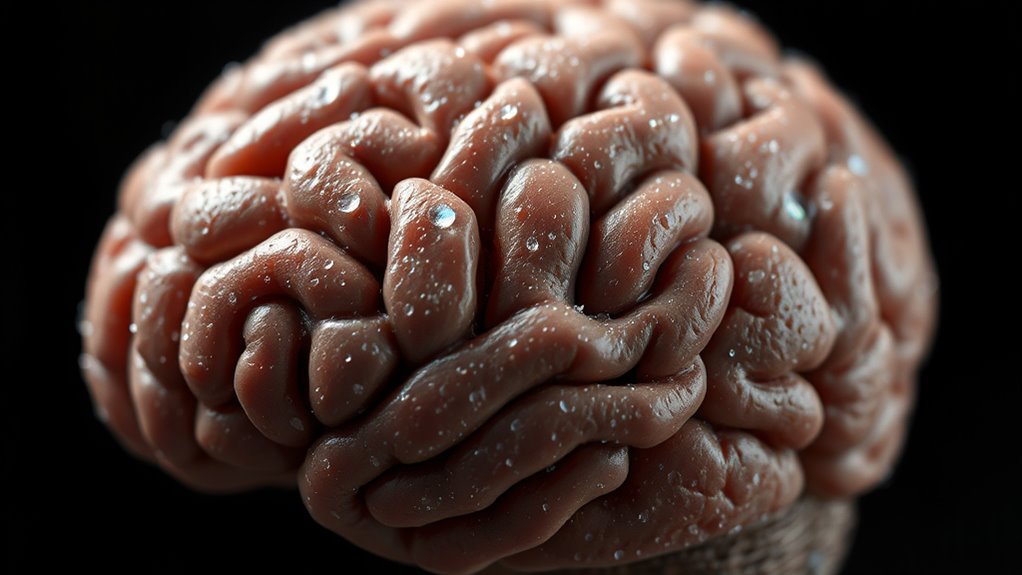
Recent studies reveal that microplastics, tiny plastic particles less than five millimeters in size, are increasingly found in human tissues, including the brain. This discovery raises serious concerns about pollution health and the potential neurological risks associated with these particles. As you go about your daily life, you might not realize that plastic debris from the environment can enter your body through ingestion, inhalation, or even skin contact. Once inside, these microplastics can accumulate in various organs, including the brain, where their presence could disrupt normal functioning. The small size of these particles allows them to cross biological barriers that typically protect you from harmful substances, making their infiltration into neural tissues plausible.
Research suggests that microplastics in the brain could trigger inflammation and oxidative stress, both of which are linked to neurodegenerative diseases. When microplastics lodge in neural tissue, they may provoke immune responses that cause inflammation, leading to potential damage to neurons. Over time, this inflammation could contribute to the development of conditions like Alzheimer’s or Parkinson’s disease. The neurological risks posed by microplastics are particularly alarming because the brain is highly sensitive to environmental toxins. Unlike other organs, it’s less capable of repairing damage once it occurs, which means that prolonged exposure might have long-lasting or irreversible effects. Additionally, the pervasive presence of microplastics in local environments underscores the widespread nature of this issue.
The pollution health implications are profound. Microplastics are pervasive in the environment, contaminating water sources, food supplies, and even the air you breathe. As a result, avoiding exposure becomes increasingly difficult, especially as microplastics can bioaccumulate in seafood or settle into drinking water. This widespread contamination heightens your risk of ingesting microplastics daily, increasing the likelihood that they reach your brain. Scientists warn that the cumulative effect of microplastic exposure could impair cognitive function and mood, with some studies linking these particles to behavioral changes and neurological disorders.
Given these emerging risks, it’s essential to understand how pollution health impacts your well-being. While the full scope of microplastics’ effects on the human brain remains under investigation, current evidence underscores the importance of reducing plastic pollution overall. Limiting plastic waste, supporting sustainable practices, and advocating for stricter environmental regulations can help minimize the presence of microplastics in your environment. Staying informed about these developments enables you to make choices that protect your health and reduce your contribution to pollution. As research continues, it’s clear that tackling microplastics isn’t just about environmental conservation—it’s about safeguarding your neurological health for the future.
Top picks for "microplastic brain research"
Open Amazon search results for this keyword.
As an affiliate, we earn on qualifying purchases.
Frequently Asked Questions
Can Microplastics Affect Brain Development in Children?
Microplastics can impact your child’s brain development by disrupting neuroplasticity impacts, which are vital during early years. Exposure may lead to developmental delays, affecting learning and behavior. You should minimize their contact with microplastics by choosing safer products and reducing plastic use. Staying informed about emerging research helps you protect your child’s health, ensuring their brain develops properly without interference from harmful microplastic particles.
Are Certain Microplastics More Likely to Accumulate in the Brain?
Certain microplastics are more likely to accumulate in your brain due to their plastic particle characteristics and brain tissue affinity. Smaller particles, like nanoplastics, easily cross the blood-brain barrier, increasing their chances of buildup. Microplastics with specific surface properties tend to cling to brain tissue more readily. Recognizing these factors helps you understand how some microplastics pose a higher risk of neural accumulation.
What Are the Long-Term Neurological Effects of Microplastic Exposure?
You might experience long-term neurological effects from microplastic exposure, including neuroinflammation consequences that impair brain function. This inflammation can lead to risks of cognitive decline, impacting your memory, attention, and decision-making abilities over time. Continued exposure may worsen these effects, making it essential to reduce plastic pollution and limit your contact with microplastics. Protect your brain health by staying informed and advocating for environmental policies addressing microplastic pollution.
How Do Microplastics Cross the Blood-Brain Barrier?
You might wonder how microplastics cross the blood-brain barrier. They often use microplastic transport mechanisms, such as tiny particles mimicking natural substances, which allows them to slip through the blood-brain barrier’s defenses. Once inside, these particles can accumulate, potentially disrupting neural functions. Factors like particle size, surface properties, and chemical makeup influence their ability to breach this barrier, increasing health concerns over long-term exposure.
Can Microplastic Pollution Be Linked to Neurodegenerative Diseases?
Research suggests that plastic pollution could be linked to neurodegenerative diseases, raising concerns about neurological health. Microplastics may enter your body through contaminated food or water, potentially crossing the blood-brain barrier and accumulating in brain tissue. While definitive evidence is still emerging, it’s vital to recognize that ongoing studies are exploring how these particles might influence brain health and contribute to conditions like Alzheimer’s and Parkinson’s.
Conclusion
As you consider this new research, remember Pandora’s box—once opened, it’s hard to close. Microplastics have silently infiltrated your brain, much like shadows in the night, threatening your health in ways you may not see. It’s a wake-up call to protect what’s precious—your mind and well-being. Stay informed, stay cautious, and don’t let these unseen invaders steal your clarity and peace of mind. Your future depends on the choices you make today.