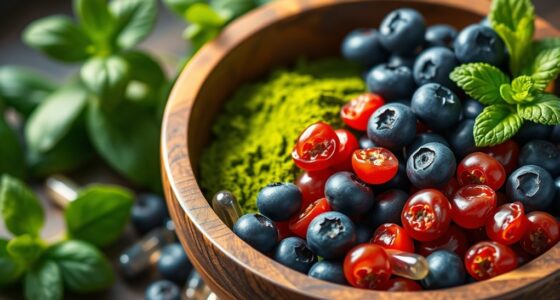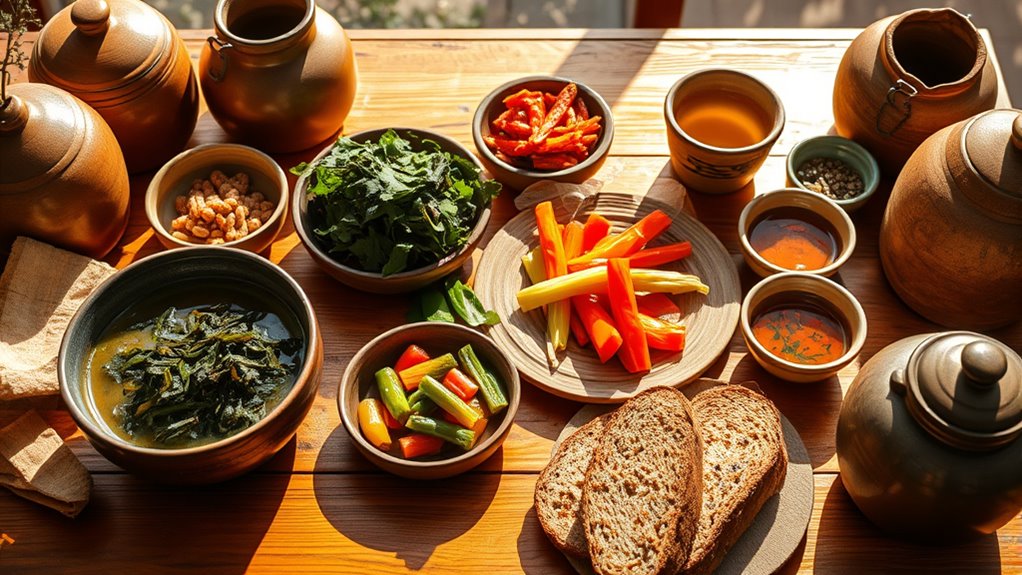

Embracing traditional foods and ancient wellness practices helps you achieve holistic health by balancing mind, body, and spirit. These time-tested diets and natural remedies connect you to cultural heritage and reinforce the idea that food can serve as medicine. Mindful eating and herbal therapies support your immune system, reduce stress, and boost vigor. By integrating these methods, you align with centuries-old wisdom that nurtures overall well-being—more insights await as you explore further.
Key Takeaways
- There is a growing resurgence of traditional foods rooted in ancient dietary wisdom, emphasizing whole, nourishing ingredients.
- Holistic wellness integrates mind, body, and spirit, encouraging practices like mindful eating and herbal remedies.
- Traditional foods and practices connect individuals to cultural heritage, fostering deeper understanding of natural healing methods.
- Herbal therapies such as turmeric, ginseng, and chamomile are gaining popularity for their natural health benefits.
- Emphasizing vitality cultivation, modern wellness increasingly aligns with centuries-old holistic approaches for balanced health.
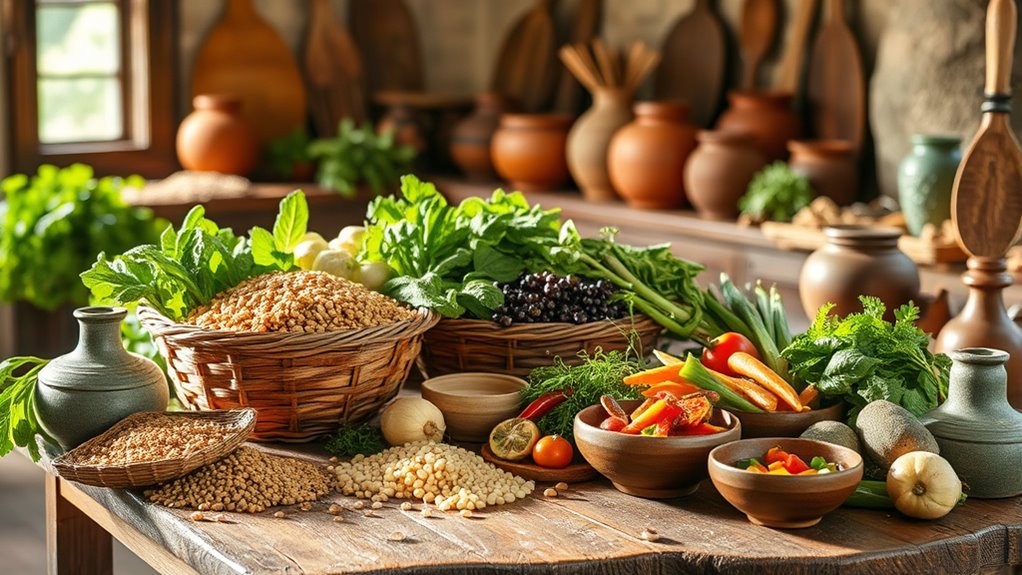
Many ancient cultures recognized that true wellness extends beyond just physical health, emphasizing the interconnectedness of mind, body, and spirit. This holistic view encourages you to see health as a balance rather than isolated symptoms. Today, a renewed interest in traditional foods and practices reflects this wisdom, guiding you toward a more integrated approach to well-being. One key aspect is mindful eating, which involves paying close attention to the food you consume, savoring each bite, and understanding how different ingredients influence your overall health. Instead of rushing through meals or eating out of habit, you become more aware of how food makes you feel, fostering a deeper connection with your body’s needs. This practice not only improves digestion but also enhances your appreciation for nourishing, whole foods rooted in ancient traditions. Recognizing the importance of cultural heritage in health practices can deepen your connection to traditional foods and their healing properties.
Alongside mindful eating, herbal therapies have gained popularity as a natural way to support health. Many cultures have long relied on herbs like turmeric, ginseng, and chamomile to boost immunity, reduce stress, and promote healing. Incorporating these herbal remedies into your daily routine can complement your modern lifestyle while honoring age-old wisdom. You might brew a calming chamomile tea before bed or add turmeric to your cooking for its anti-inflammatory properties. These herbal therapies work synergistically with mindful eating, creating a holistic system that nurtures your body and mind. They remind you that nature offers potent solutions, often more gentle and sustainable than synthetic alternatives.
As you embrace these practices, you’re reminded that health isn’t just about avoiding illness but actively cultivating vitality. Traditional foods—rich in nutrients and prepared with care—serve as a foundation for this approach. They connect you to cultural heritage and remind you of a time when food was medicine. Combining this with mindful eating and herbal therapies allows you to create a personalized wellness routine rooted in ancient wisdom. It encourages patience, respect for your body’s signals, and an understanding that well-being is a lifelong journey. By integrating these elements, you honor a holistic perspective that considers your mental clarity, emotional balance, and spiritual harmony, all essential for true health. In doing so, you align yourself with centuries-old practices that continue to prove their value in the pursuit of genuine wellness.

Yogi Tea, Tea Immune Stress Elderberry Lemon Balm Organic, 16 Count
FLAVOR: This herbal tea blend combines Lemon Balm with Lemongrass and Lemon Peel for a bright, citrusy flavor.
As an affiliate, we earn on qualifying purchases.
As an affiliate, we earn on qualifying purchases.
Frequently Asked Questions
How Can Ancient Foods Improve Modern Health Issues?
Ancient foods can improve your health by offering fermentation benefits that boost gut health and enhance digestion. Incorporating traditional herbs as remedies can help reduce inflammation and support your immune system naturally. These foods are often nutrient-dense, providing essential vitamins and minerals that modern diets lack. By embracing these age-old practices, you can address modern health issues more holistically, fostering better overall wellness and resilience.
Are Traditional Diets Suitable for All Age Groups?
Like a timeless story, traditional diets suit all age groups when adapted properly. You can preserve cultural heritage and promote culinary diversity by tailoring foods to meet specific nutritional needs at different life stages. Young children and seniors benefit from nutrient-dense options, while adults enjoy diversity and balance. Consulting healthcare professionals ensures each age group gains guaranteed health benefits from traditional foods, creating a bridge between past wisdom and modern wellness.
What Are the Key Principles of Holistic Wellness?
You should focus on balancing your physical, mental, and emotional health through holistic wellness principles. Incorporate Ayurvedic practices to align your doshas and use herbal remedies to support your body’s healing. Prioritize nourishing foods, regular exercise, and mindfulness techniques. By listening to your body’s needs and embracing natural therapies, you’ll foster overall well-being, vigor, and resilience, creating harmony in your daily life.
How Do Ancient Foods Support Mental Well-Being?
Ancient foods support your mental well-being by providing fermentation benefits that improve gut health, which is closely linked to your mood. Consuming herbal remedies and traditional ingredients can reduce stress and boost mental clarity. You’ll notice better emotional resilience and balance when you incorporate these nutrient-rich, time-tested foods into your diet, harnessing their natural healing properties. This holistic approach nurtures both your mind and body for overall well-being.
Can Incorporating Traditional Foods Prevent Chronic Diseases?
Yes, incorporating traditional foods can help prevent chronic diseases. Fermentation benefits your gut health by boosting beneficial bacteria, which supports your immune system. Herbal remedies used in traditional diets offer anti-inflammatory and antioxidant properties, reducing disease risk. By including these foods in your diet, you promote overall wellness, lower inflammation, and improve your body’s ability to fight off chronic conditions, making it a natural, effective approach to health.
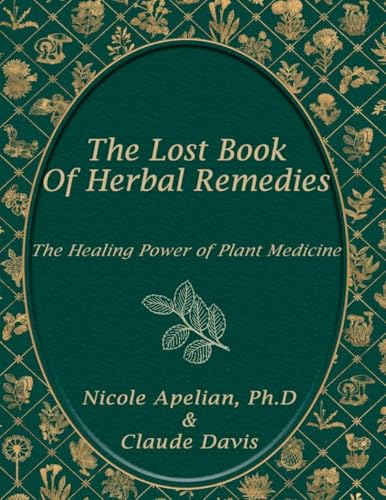
The Lost Book of Herbal Remedies
Survival & Emergency Preparedness
As an affiliate, we earn on qualifying purchases.
As an affiliate, we earn on qualifying purchases.
Conclusion
As you embrace traditional foods, you’re planting seeds of balance deep within. Like ancient rivers weaving wisdom through time, these foods nourish not just your body but your soul. By reconnecting with age-old practices, you’re awakening a hidden harmony, turning your wellness journey into a sacred dance with nature’s timeless song. Trust that this return to roots isn’t just nourishment—it’s a rebirth, guiding you to a more vibrant, holistic life.

Turmeric Curcumin with Black Pepper Extract 1500mg – High Absorption Ultra Potent Turmeric Supplement with 95% Curcuminoids and BioPerine – Non GMO Tumeric Capsules for Joint Support – 90 Capsules
Advanced Formula: Our turmeric with black pepper capsules are made with BioPerine, a patented black pepper extract proven…
As an affiliate, we earn on qualifying purchases.
As an affiliate, we earn on qualifying purchases.

Mindful Eating: A Guide to Rediscovering a Healthy and Joyful Relationship with Food (Revised Edition)
As an affiliate, we earn on qualifying purchases.
As an affiliate, we earn on qualifying purchases.