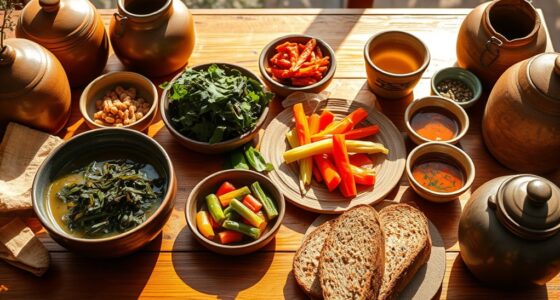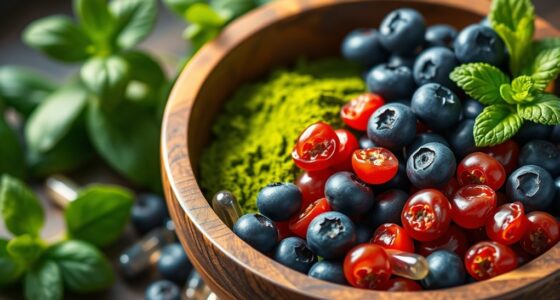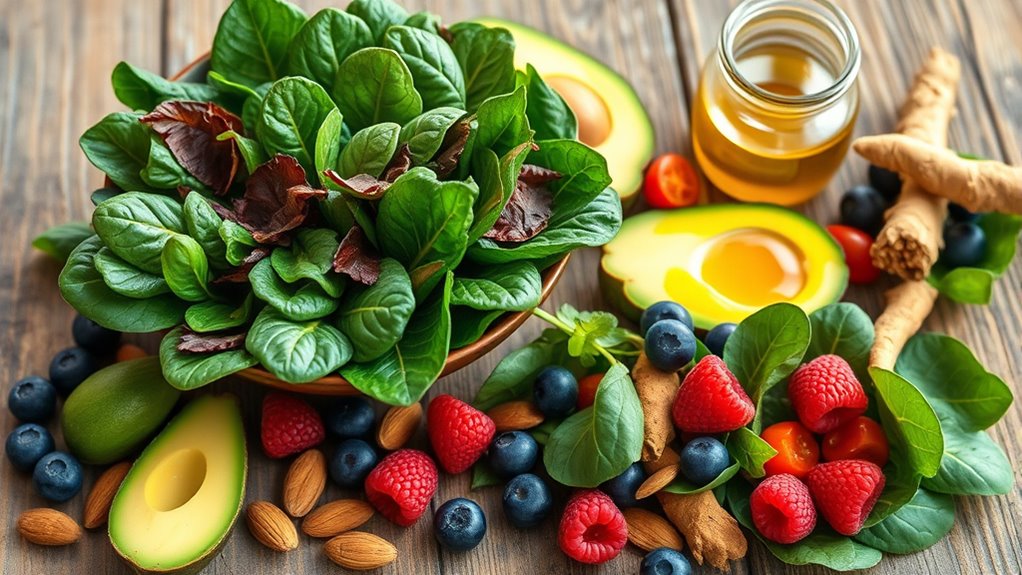
An anti-inflammatory diet focuses on foods that fight chronic disease by reducing persistent inflammation. You should include colorful fruits and vegetables, nuts, seeds, and fatty fish like salmon, which provide antioxidants, omega-3s, and essential nutrients. Incorporate herbs such as turmeric and ginger, and choose whole grains and legumes to support gut health. Preparing meals with healthy cooking methods and staying consistent can boost your resilience. Keep exploring to discover how these choices can transform your health.
Key Takeaways
- Incorporate colorful fruits, vegetables, nuts, and seeds rich in antioxidants to combat free radicals and reduce inflammation.
- Consume omega-3 fatty acids from fatty fish and walnuts to help lower chronic inflammation levels.
- Use herbs like turmeric and ginger, which have natural anti-inflammatory properties, in your meals.
- Choose whole grains, legumes, and minimally processed foods to support gut health and decrease inflammation.
- Opt for healthy cooking methods such as grilling, steaming, or roasting to preserve nutrients and minimize inflammatory fats.

Chronic inflammation is linked to many health conditions, from arthritis to heart disease. When inflammation persists, it can damage tissues, impair your immune response, and contribute to the development of chronic illnesses. One effective way to combat this ongoing threat is through an anti-inflammatory diet, which emphasizes foods that reduce inflammation and support overall health. As you start to adjust your eating habits, you’ll notice how the right foods can make a significant difference in managing inflammation and improving your well-being.
A key component of an anti-inflammatory approach is focusing on nutrient-dense foods that promote better nutrient absorption. When you incorporate colorful fruits, vegetables, nuts, and seeds into your meals, you’re providing your body with essential antioxidants, vitamins, and minerals. These nutrients help neutralize free radicals and reduce oxidative stress, which are common triggers of inflammation. To maximize nutrient absorption, it’s important to pay attention to meal planning. Combining healthy fats with vegetables, for example, can enhance the absorption of fat-soluble vitamins like A, D, E, and K. Using herbs and spices such as turmeric and ginger not only adds flavor but also offers anti-inflammatory properties, making your meals both tasty and health-promoting.
When planning your meals, aim for variety and balance. Incorporate omega-3 fatty acids found in fatty fish like salmon or walnuts, as they are well-known for their anti-inflammatory effects. Whole grains like oats and brown rice provide fiber that supports gut health, which is essential because a healthy gut can reduce systemic inflammation. Legumes and beans also contribute plant-based proteins and fiber, creating a meal that’s both nourishing and inflammation-fighting. Remember, meal planning isn’t just about choosing the right foods; it’s about creating a sustainable routine that makes it easier to stick with anti-inflammatory choices. Batch cooking and prepping ingredients can save time and help you avoid reaching for processed, inflammatory foods when hunger strikes. Additionally, selecting uncooked or minimally processed foods helps preserve their natural anti-inflammatory properties, further supporting your health goals.
In addition to food choices, pay attention to how you prepare your meals. Grilling, steaming, or roasting vegetables preserves their nutrients, whereas frying can introduce unhealthy fats that promote inflammation. Hydration is equally important, so drink plenty of water throughout the day to help your body flush out toxins and support cellular health. By making mindful decisions in your meal planning and focusing on nutrient absorption, you’re actively working to reduce chronic inflammation. Over time, these small but consistent changes can lead to significant improvements in your health, decreasing your risk of inflammation-related diseases and helping you feel more energized and resilient.

Turmeric Curcumin Supplement – 95% Curcuminoids with Organic Turmeric & Ginger, BioPerine Black Pepper Extract for Best Absorption, Natural Vegan Joint Support, Non-GMO, Bottled in USA – 60 Capsules
POWERFUL TURMERIC & GINGER SUPPLEMENT: Our Premium T3 Turmeric Curcumin Complex 95% Standardized Curcuminoids 1800mg Organic Turmeric per…
As an affiliate, we earn on qualifying purchases.
As an affiliate, we earn on qualifying purchases.
Frequently Asked Questions
Can Anti-Inflammatory Diets Be Customized for Specific Health Conditions?
Yes, you can customize anti-inflammatory diets for your specific health conditions. Personalized nutrition allows you to tailor your intake based on your unique needs and responses. By working with a healthcare professional, you can develop condition-specific plans that focus on foods that reduce inflammation relevant to your condition, such as joint-friendly foods for arthritis or heart-healthy options for cardiovascular health. This targeted approach helps optimize your health and manage symptoms effectively.
Are There Any Potential Risks or Side Effects From These Diets?
Think of an anti-inflammatory diet as a carefully balanced orchestra; if not managed well, it can hit discordant notes. You might risk nutritional deficiencies if you cut out essential foods or trigger food allergies if you’re sensitive to certain ingredients. Always consult a healthcare professional before making big changes, and watch for symptoms like fatigue or allergies. This way, you keep your health in harmony without unintended side effects.
How Long Does It Typically Take to See Health Benefits?
You can typically expect to see symptom improvements within a few weeks to a few months of following an anti-inflammatory diet. The timeframe expectations vary depending on your condition and consistency. If you maintain the diet, you may notice reduced inflammation, less pain, and better overall health within this period. Keep in mind, individual results differ, so patience and adherence are key to experiencing the full health benefits.
Can Anti-Inflammatory Foods Replace Medication for Chronic Diseases?
You can’t rely solely on anti-inflammatory foods, natural remedies, or dietary supplements to substitute medication for chronic diseases. While these can complement your treatment plan and reduce inflammation, they shouldn’t replace prescribed medications without your doctor’s guidance. Always consult your healthcare provider before making changes, as they can help you safely integrate anti-inflammatory foods into your routine and ensure your treatment remains effective.
Are There Any Cultural or Regional Variations in Anti-Inflammatory Diets?
Yes, cultural cuisine and regional ingredients influence anti-inflammatory diets. You might find traditional spices like turmeric or ginger in Asian dishes, which have anti-inflammatory properties. Mediterranean cuisine emphasizes olive oil, nuts, and fresh vegetables, while Latin American diets include peppers and beans. Incorporating regional ingredients allows you to enjoy anti-inflammatory foods that are familiar and culturally meaningful, making it easier to maintain a balanced, health-promoting diet.

Nature's Bounty Fish Oil Omega 3 Supplements – Supports Heart Health, 1200 Mg Fish Oil, Omega-3, 200 Softgels (Pack of 1)
SUPPORTS HEART HEALTH (1): With 1200 mg fish oil supplements and 360 mg omega-3 fatty acids per serving,…
As an affiliate, we earn on qualifying purchases.
As an affiliate, we earn on qualifying purchases.
Conclusion
By choosing anti-inflammatory foods, you’re taking a powerful stand against chronic disease. Imagine your body as a fortress, strengthened day by day with vibrant fruits, vegetables, and healthy fats. Every mindful bite is a step toward a healthier, more resilient you. Don’t let inflammation dictate your life—seize control now. Remember, your choices today shape the strength of your tomorrow. Embrace this journey, and let your food be the armor that guards your future.

Turmeric Curcumin Supplement – 95% Curcuminoids with Organic Turmeric & Ginger, BioPerine Black Pepper Extract for Best Absorption, Natural Vegan Joint Support, Non-GMO, Bottled in USA – 240 Capsules
POWERFUL TURMERIC & GINGER SUPPLEMENT: Our Premium T3 Turmeric Curcumin Complex 95% Standardized Curcuminoids 1800mg Organic Turmeric per…
As an affiliate, we earn on qualifying purchases.
As an affiliate, we earn on qualifying purchases.
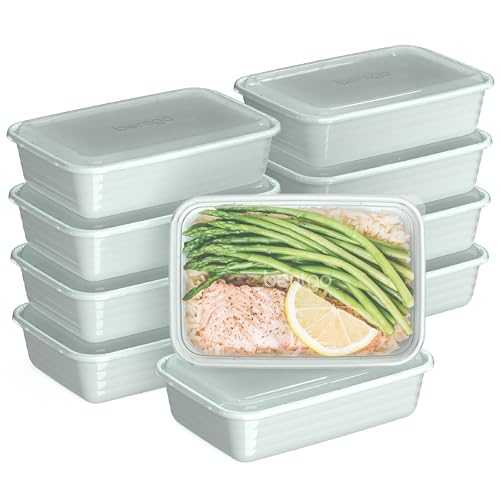
Bentgo Prep – 20-Piece 1-Compartment Reusable Meal Prep Containers with Lids, PFAS & BPA Free Materials, Durable, Microwave, Freezer, & Dishwasher Safe To Go Food Storage (Mint)
#1 Brand Pick for Meal Prep Containers: Bentgo is the top pick for meal prep containers!* This lightweight,…
As an affiliate, we earn on qualifying purchases.
As an affiliate, we earn on qualifying purchases.