
A climate-conscious diet focuses on making food choices that lower your environmental footprint. By choosing plant-based meals, supporting local and sustainable farms, and reducing your consumption of resource-intensive foods like beef, you help decrease water use and greenhouse gases. Small dietary tweaks can have a big impact on the planet. If you’re interested, there’s more to discover about how your food choices can support a healthier Earth and a sustainable future.
Key Takeaways
- Adopting plant-based diets reduces water use, land requirements, and greenhouse gas emissions associated with food production.
- Supporting sustainable farming practices helps preserve soil health, conserve water, and minimize chemical use.
- Choosing locally sourced and organic foods decreases reliance on synthetic chemicals and promotes environmental health.
- Small dietary shifts, like replacing beef with lentils, can significantly lower individual carbon footprints.
- Making mindful food choices collectively contributes to planetary sustainability and a healthier future.

Have you ever wondered how your eating habits impact the environment? Every meal you choose has a ripple effect on the planet, from water use to greenhouse gas emissions. Making mindful decisions can reduce your carbon footprint and support a healthier Earth. One effective way to do this is by supporting sustainable farming practices. Sustainable farming emphasizes methods that preserve soil health, conserve water, and minimize chemical use. When you buy produce from local farms or choose products labeled as sustainably farmed, you’re promoting agricultural practices that prioritize environmental health. These farms often use crop rotation, organic fertilizers, and water-efficient techniques, which help maintain ecosystems rather than deplete them. By choosing sustainably farmed foods, you’re contributing to a system that balances productivity with ecological preservation.
Supporting sustainable farming preserves ecosystems and promotes healthier, more resilient agriculture.
Another impactful step is incorporating plant-based alternatives into your diet. These foods—such as beans, lentils, tofu, and vegetables—generally require fewer resources than traditional animal products. Producing plant-based foods consumes considerably less water, land, and energy, and it produces fewer greenhouse gases. Transitioning to more plant-based meals doesn’t mean giving up flavor or variety; it’s about finding creative ways to enjoy delicious, nutritious dishes that are kinder to the planet. For example, swapping beef for lentils in a stew or using plant-based milks instead of dairy can greatly lower your environmental impact. Over time, these small adjustments accumulate, making your diet more sustainable and less taxing on natural resources. Additionally, exploring juice recipes like parsley or prune juice can add nutritious variety to your diet with minimal environmental impact.
It’s also worth considering how your choice of food sources influences the larger agricultural landscape. Opting for organic produce and supporting local farmers not only reduces your carbon footprint but also encourages agricultural practices that are more aligned with environmental sustainability. Organic farming often avoids synthetic chemicals and prioritizes soil health, which helps sequester carbon and improve ecosystem resilience. Shopping at farmers’ markets or joining community-supported agriculture programs allows you to access fresh, seasonal produce while supporting sustainable farming communities.
Ultimately, adopting a climate-conscious diet involves understanding the broader impact of what you eat and making choices that promote sustainability. By prioritizing sustainable farming methods and increasing your intake of plant-based alternatives, you play a part in reducing environmental degradation. These changes might seem small at first, but collectively, they can lead to notable positive effects on the planet. Your food choices are powerful tools for fostering a healthier environment and ensuring that future generations can enjoy a thriving, sustainable world.

Orgain Organic Vegan Protein Powder, Natural Unsweetened – 21g of Unflavored Plant Protein, 4g Prebiotic Fiber, Low Net Carbs, No Added Sugar, Non-GMO, For Shakes & Recipes, 1.59 lb
CLEANER INGREDIENTS: 21g of Organic plant based protein and 0g sugar. Our protein blend contains Organic peas, brown…
As an affiliate, we earn on qualifying purchases.
As an affiliate, we earn on qualifying purchases.
Frequently Asked Questions
How Can I Start Transitioning to a Climate-Conscious Diet?
To start shifting to a climate-conscious diet, focus on reducing food waste by planning meals wisely and saving leftovers. Incorporate seasonal eating by choosing fruits and vegetables that are in season locally, which lowers your carbon footprint. Gradually replace red meats with plant-based proteins and explore sustainable grocery options. Small, consistent changes like these help you make a positive impact on the planet while enjoying nutritious, delicious meals.
Are Plant-Based Diets Always More Environmentally Friendly Than Omnivorous Ones?
Think of your diet as a balancing act—plant-based diets often have a lower carbon footprint, making them generally more eco-friendly. Meat production, however, varies; some plant-based foods can still have a significant impact. While going fully plant-based usually reduces your environmental impact, choosing sustainably sourced meats or reducing intake can also make a difference. It’s about making mindful choices that align with your values and the planet’s health.
What Are the Nutritional Risks of Reducing Meat Consumption?
Reducing meat intake can lead to nutritional risks like protein deficiency and vitamin B12 deficiency since these are mainly found in animal products. You might need to plan your diet carefully by including plant-based protein sources like beans, lentils, and nuts, and consider supplements for vitamin B12. Without proper planning, you risk lacking essential nutrients that support energy, brain function, and overall health.
How Do Climate-Conscious Diets Impact Local Food Economies?
You can support local food economies by choosing climate-conscious diets, which often emphasize regional, seasonal produce. This shift strengthens local food systems and boosts economic resilience, helping farmers and vendors thrive. By reducing reliance on imported foods, you keep money within your community, fostering sustainable growth. Your choices directly contribute to a more resilient local economy, ensuring that local food systems remain robust and adaptable to environmental challenges.
Can Sustainable Eating Habits Be Affordable for Everyone?
Yes, sustainable eating habits can be affordable for everyone. You can explore cost-effective options like buying seasonal produce, shopping at farmers’ markets, and joining community-supported agriculture (CSA) programs. These choices often lower costs while supporting local farmers and reducing your environmental impact. By making small changes, you can enjoy nutritious, planet-friendly meals without breaking the bank, making sustainable eating accessible and practical for all budgets.
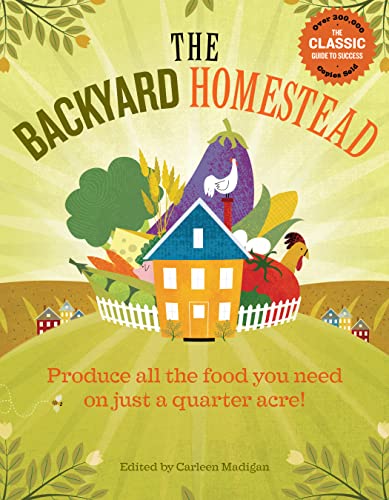
The Backyard Homestead: Produce all the food you need on just a quarter acre!
The backyard homestead produce all the food you need on just a quarter acre
As an affiliate, we earn on qualifying purchases.
As an affiliate, we earn on qualifying purchases.
Conclusion
By choosing climate-conscious diets, you’re planting seeds of change in the garden of our planet. Every mindful bite fuels a brighter future, like sunlight nourishing new growth. As you weave these habits into your life, you become a gardener of hope, helping the Earth bloom with vibrant, sustainable life. Remember, your fork is a mighty tool—use it to nurture, protect, and celebrate the beautiful world we share.

FEBU Compostable Food Storage Bags Variety Pack, 260 Count | Compostable & Biodegradable | PFAS & BPA Free | Drawer Organizer Box | 90 Snack, 90 Sandwich, 50 Quart, 30 Gallon
NON-TOXIC FOOD STORAGE — Keep food fresh and your family safe with our bags made from plant-based and…
As an affiliate, we earn on qualifying purchases.
As an affiliate, we earn on qualifying purchases.

Earthwise Reusable Mesh Produce Bags – Washable Set of 9 Premium Bags, TRANSPARENT Lightweight, Strong SEE-THROUGH Mesh for shopping, transporting and storing fruits and veggies.
SUPER VALUE – You will receive a total of 9 Mesh Produce Bags! SIZE: Each Bag Measures 11"…
As an affiliate, we earn on qualifying purchases.
As an affiliate, we earn on qualifying purchases.