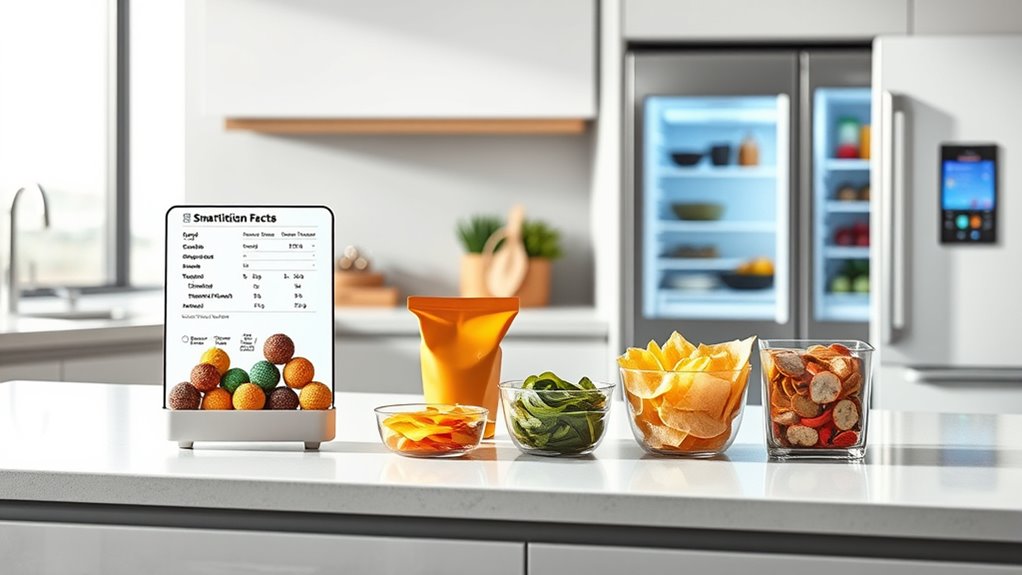

Smart snacking has evolved with clearer labels and smarter packaging that help you make healthier choices easily. By checking nutrition facts, portion sizes, and ingredient lists, you can find snacks that support your health goals without falling for misleading claims. Emphasizing minimally processed options and balanced nutrients makes your snack choices more beneficial. Keep exploring to discover how understanding labels and packaging can turn quick bites into a powerful step toward better nutrition.
Key Takeaways
- Modern snack options emphasize transparent labeling to help consumers make informed, healthier choices aligned with their nutrition goals.
- Innovations include single-serving packages and minimally processed ingredients for better portion control and nutrient quality.
- Nutritional labels now highlight key info like calories, sugars, fats, and protein to support macro tracking and dietary management.
- Packaging design focuses on clear, factual information over marketing tricks, enabling smarter, conscious snacking decisions.
- The evolution promotes awareness of ingredient quality, portion control, and nutrient balance to turn snacking into a health-supportive habit.
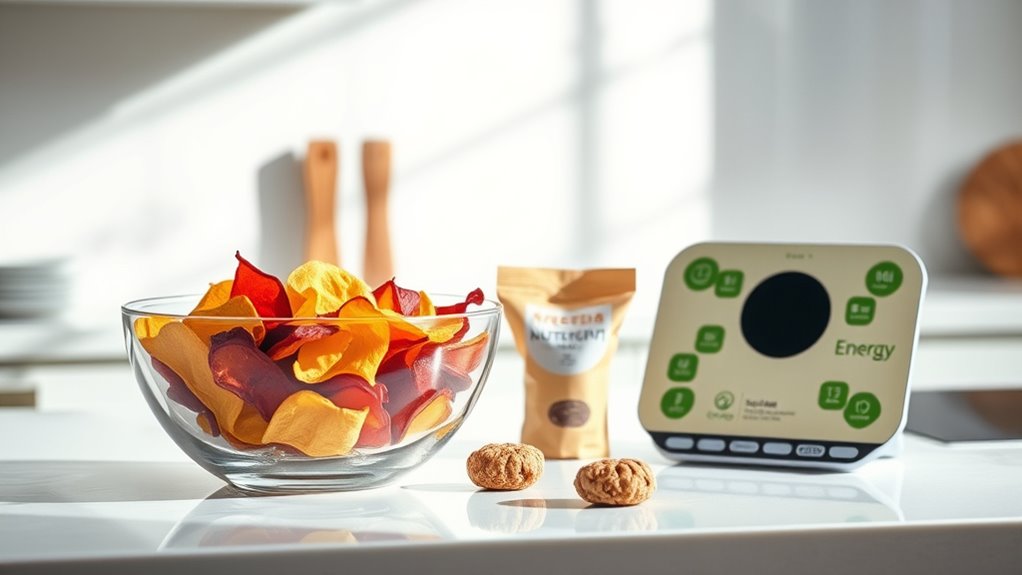
Snacking can be a smart way to maintain energy and curb hunger, but only if you choose the right options. In today’s market, the array of snack choices can be overwhelming, but understanding nutritional labeling is your best tool for making informed decisions. When you pick a snack, don’t just glance at the packaging; take a moment to read the nutritional label carefully. It provides essential information such as calorie count, serving size, fat content, sugar levels, and protein. These details help you decide if the snack aligns with your health goals or dietary needs. For example, a snack labeled as “low-fat” might still contain high sugar, so always check the nutrition facts rather than relying solely on front-of-package claims. Snack packaging has evolved to become more transparent, with clearer labels and often, additional information like ingredient lists and health claims. This transparency empowers you to make smarter choices, avoiding products with excessive additives or artificial ingredients.
Your approach should be to choose snacks that offer a good balance of nutrients—protein, fiber, healthy fats—while limiting added sugars and preservatives. When you evaluate snack packaging, look for recognizable, whole-food ingredients rather than mysterious chemical names. Packaging that highlights portion sizes can also help you avoid overeating. Single-serving packages are convenient and help control intake, especially when you’re on the go. Conversely, bulk packages might tempt you to eat more than intended, so portion control becomes key. Many companies now include nutritional labeling on snack packaging that clearly indicates calorie content per serving, making it easier to stay within your daily goals. This transparency is especially valuable if you’re tracking macros or managing specific health conditions. Additionally, choosing snacks made from minimal processing can help you maintain better nutritional quality and avoid unnecessary additives.
Furthermore, being aware of the packaging design can alert you to potential marketing tricks. Bright colors or exaggerated health claims might tempt you into choosing less nutritious options. Instead, focus on the factual information provided on the label. Always check the serving size first, then assess whether the snack fits into your overall nutritional plan. Snack packaging is no longer just about branding—it’s a crucial communication tool that can help you make smarter, healthier choices. By taking a moment to scrutinize nutritional labeling and understanding the information presented, you empower yourself to select snacks that boost your energy, satisfy cravings, and support your well-being. Remember, a well-informed choice is the foundation of smart snacking, turning a simple act into a strategic step toward healthier living.
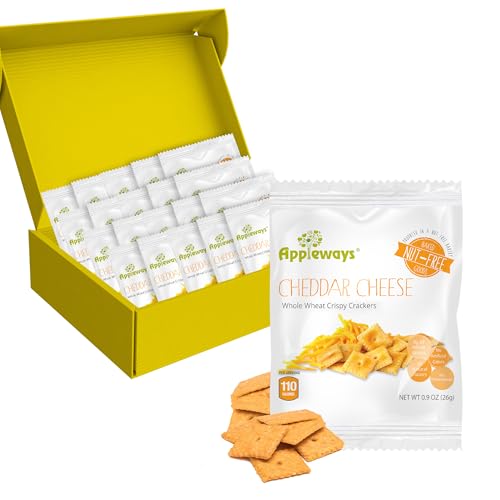
Cheddar Cheese Crackers Snack Packs, 20 Count 0.9 oz Each – Whole Grain Healthy Snacks for Adults and Kids, 0g Trans Fat, No Preservatives, Made with Applesauce & Apple Fiber, On-the-Go by Appleways
WHOLESOME WHOLE GRAIN SNACKS MADE FOR EVERYDAY BALANCE. Made with real cheddar cheese, applesauce, and apple fiber, these…
As an affiliate, we earn on qualifying purchases.
As an affiliate, we earn on qualifying purchases.
Frequently Asked Questions
How Do Smart Snacks Differ From Traditional Snack Foods?
Smart snacks differ from traditional snack foods by focusing on ingredient transparency and portion control. You get clear information about what’s inside, helping you make healthier choices. They are designed to provide the right amount of nutrients without overeating, so you enjoy sustained energy without guilt. Unlike traditional snacks, smart snacks prioritize your health, making them more effective for maintaining balanced eating habits and supporting your overall wellness.
Are There Specific Ingredients to Look for in Healthy Snacks?
When choosing healthy snacks, look for superfood ingredients like chia seeds, acai, or quinoa that boost nutrition. You should also check for natural preservatives, such as vitamin E or citric acid, which keep snacks fresh without artificial additives. These ingredients support your health and guarantee you’re fueling your body with wholesome, minimally processed foods that align with smart snacking habits.
How Can I Incorporate Smart Snacks Into a Busy Lifestyle?
You can easily incorporate smart snacks into your busy lifestyle by choosing portable options like nuts, protein bars, or fruit packs that require minimal prep. These snacks can serve as quick meal replacements when you’re on the go, helping you stay energized and focused. Keep a stash in your bag or desk drawer, making smart snacking effortless and convenient, even during hectic days.
What Are the Environmental Impacts of Smart Snack Packaging?
You should consider that smart snack packaging impacts the environment through sustainable packaging practices and recyclability challenges. While many brands aim for eco-friendly materials, some packaging still faces issues with recyclability, leading to waste accumulation. By choosing snacks with biodegradable or easily recyclable packaging, you help reduce environmental harm. Always check labels and support brands committed to improving packaging sustainability, making your snack choices both convenient and eco-conscious.
Can Smart Snacking Help With Weight Management Goals?
Like Pandora’s box, smart snacking can open weight management success if you use it wisely. By focusing on portion control, you avoid overeating, while nutrient-rich options can give your metabolic boost. Smart snacks help you stay on track, curb cravings, and maintain energy levels throughout the day. With mindful choices, you can harness these innovations to support your goals and enjoy a healthier, more balanced lifestyle.

Wonderful Pistachios No Shells, 3 Flavors Mixed Variety Pack of 9 (0.75 Ounce), Roasted & Salted Nuts (4), Chili (3), Honey (2), Protein Snacks, Gluten Free, Healthy Snacks Variety Pack for Adults
SIZE: Pack of 9 (0.75 Ounce) No Shells – Don’t hold back on Wonderful Pistachios; Our Wonderful Pistachios…
As an affiliate, we earn on qualifying purchases.
As an affiliate, we earn on qualifying purchases.
Conclusion
As you embrace smarter snacking, you’re opening a door to a world where convenience meets nourishment. Think of each healthy choice as a brushstroke on the canvas of your daily wellness. With every mindful snack, you’re crafting a vibrant masterpiece—fueling your body and mind with purpose. So, take charge and make every bite count; your journey to better nutrition is a story you’re writing one delicious, smart choice at a time.
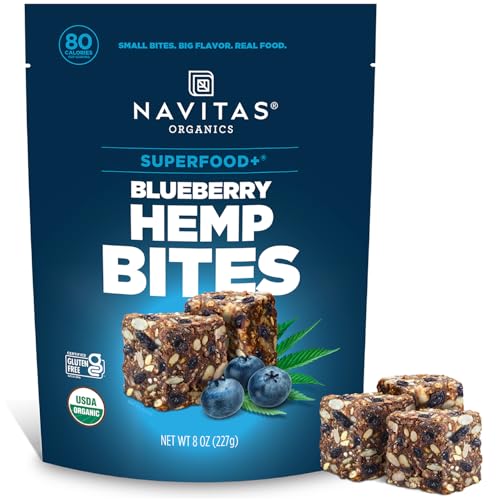
Navitas Organics Superfood Power Snacks, Blueberry Hemp, 8oz. Bag, 11 Servings – Organic, Non-GMO, Gluten-Free
NEW OPTIMIZED FORMULA! Mighty tasty and supremely portable, Navitas Organics Power Snacks bring together nuts, seeds and premium…
As an affiliate, we earn on qualifying purchases.
As an affiliate, we earn on qualifying purchases.

Munchpods Reusable Snack Containers with Lids 10 Pack (20 Pieces) Portion control, Snack Pack Containers 2 Double Compartment Snack Containers for Kids On the Go Meals, Camping Snack Tray Prep
2 COMPARTMENT SNACK CONTAINERS : Munchpods have two separate compartments to store different foods, keep them fresh and…
As an affiliate, we earn on qualifying purchases.
As an affiliate, we earn on qualifying purchases.