
TL;DR

Get health and wellness essentials delivered free with Prime
- Fast, free delivery on millions of items
- Prime Video, Amazon Music and more included
- Member-only deals all year
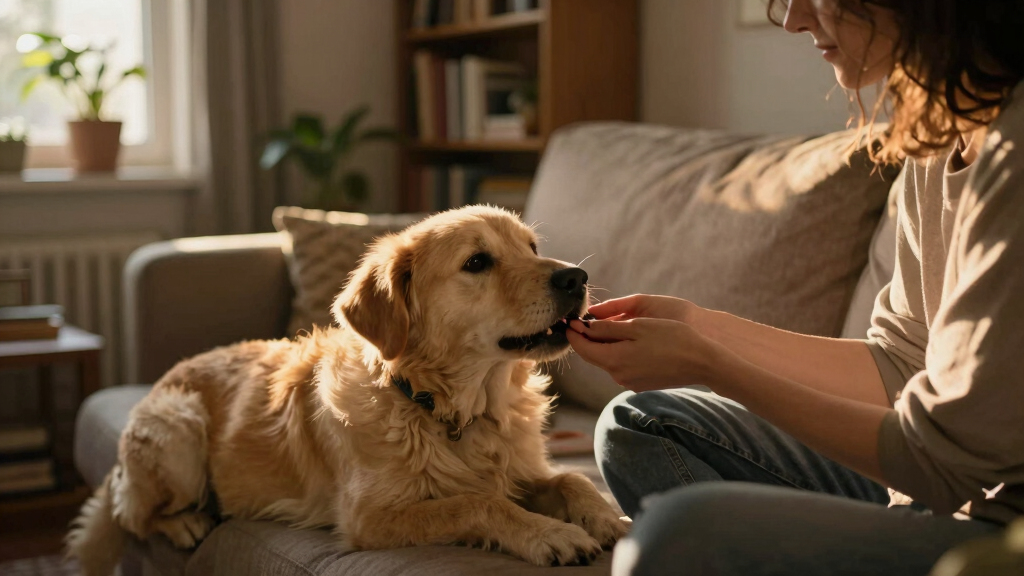
Dog nibbling is a common behavior that usually indicates affection or a desire to play. Veterinarians confirm it’s generally harmless, but owners should watch for signs of discomfort or medical issues. The behavior is rooted in natural bonding and grooming instincts.
Dog owners frequently notice their pets nibbling on their hands or arms, and experts confirm this behavior is generally a form of affection or bonding rather than aggression.
According to veterinarians, dog nibbling is usually a gentle, front-teeth-only behavior that signals affection or a desire to interact. Dr. Carly Fox of Schwarzman Animal Medical Center states that this behavior often stems from grooming instincts learned from mother dogs or playful interactions. While some owners worry about whether to discourage it, experts advise that if the nibbling doesn’t cause harm, it can be considered a positive social gesture. However, if a dog’s nibbling is accompanied by signs of discomfort, itching, or skin issues, a veterinary consultation is recommended. For dogs that nibble too hard or excessively, trainers suggest providing alternative chews, mental stimulation, and positive reinforcement to modify the behavior.
Why It Matters
This behavior’s confirmation as a sign of affection helps owners better understand their dogs’ communication cues, fostering stronger bonds. Recognizing that nibbling is generally harmless can reduce unnecessary concern or punishment. However, awareness of when nibbling indicates medical issues ensures dogs’ health and comfort are maintained. Understanding these signals can improve training strategies and strengthen human-animal relationships.
As an affiliate, we earn on qualifying purchases.
Background
Dog owners have long observed behaviors like nibbling, pawing, and licking as signs of affection. Veterinary insights confirm that such behaviors are rooted in natural bonding and grooming instincts. Recent expert comments and behavioral studies underscore that nibbling is often a playful or affectionate gesture, especially in puppies or young dogs. Concerns about excessive or painful nibbling are addressed with advice on training and health checks, emphasizing that this behavior is usually benign when not accompanied by signs of discomfort or medical issues.
“Dog nibbling is often a sign of affection or a desire to bond, especially if it’s gentle and not causing discomfort.”
— Dr. Carly Fox, Schwarzman Animal Medical Center
“Nibbling is a behavior learned from their mothers and plays a role in bonding, especially in puppies.”
— Dr. Alex Crow, veterinarian
As an affiliate, we earn on qualifying purchases.
What Remains Unclear
It remains unclear how often dogs nibble excessively or if certain breeds are more prone to this behavior. Additionally, the specific triggers for increased nibbling, such as stress or health issues, are still being studied.
As an affiliate, we earn on qualifying purchases.
What’s Next
Veterinarians recommend owners monitor their dogs’ nibbling habits, especially if it becomes painful or compulsive. Future research may clarify behavioral triggers and best training practices. Owners should consult vets if they notice signs of discomfort or skin problems.
As an affiliate, we earn on qualifying purchases.
Key Questions
Is dog nibbling always a sign of affection?
Most often, yes. Veterinarians confirm that gentle nibbling usually indicates affection or a desire to bond, especially if the dog is relaxed and playful.
Should I discourage my dog from nibbling on me?
If the nibbling is gentle and not causing pain, it’s generally safe to let it continue. However, if it becomes too hard or frequent, owners can redirect the behavior with toys or training.
Can nibbling indicate health problems?
Yes. If your dog is nibbling excessively, especially on itself or in specific spots, it could signal allergies, itching, or other health issues. A vet should evaluate such cases.
What are some ways to train my dog to stop nibbling?
Providing suitable chews, increasing mental stimulation, and rewarding calm behavior can help. Consulting reputable training resources can also assist in modifying the behavior effectively.
Halloween Picks
halloween
As an affiliate, we earn on qualifying purchases.