

To improve your sleep hygiene, establish a consistent bedtime and wake-up time, creating a calming pre-sleep routine like reading or gentle stretching. Optimize your sleep environment by keeping your room cool, dark, and quiet, and reserve your bed for sleep only. Avoid screens at least an hour before bedtime and limit caffeine and heavy meals close to sleep. Prioritizing these evidence-based practices can lead to better rest — explore more strategies below.
Key Takeaways
- Maintain a consistent sleep schedule by going to bed and waking up at the same times daily.
- Create a relaxing pre-sleep routine, such as reading or listening to calming music, to signal winding down.
- Optimize your sleep environment with a cool, dark, quiet room and comfortable mattress and pillows.
- Limit screen exposure at least one hour before bedtime to reduce blue light interference with melatonin production.
- Avoid caffeine, heavy meals, and alcohol close to bedtime to prevent sleep disruptions.
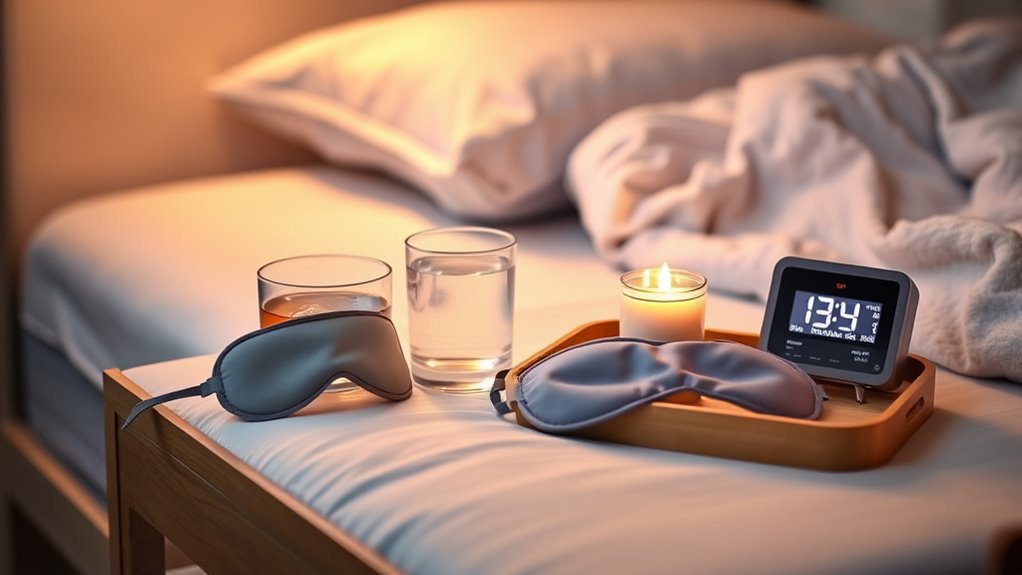
Are you struggling to get restful sleep despite trying different remedies? One of the most effective ways to improve your sleep quality is to establish consistent bedtime routines and optimize your sleep environment. Your bedtime routine sets the tone for sleep, signaling to your body that it’s time to wind down. Creating a calming sequence each night can help you shift from the busyness of your day to restful slumber. This might include activities like reading a book, gentle stretching, or listening to soothing music. Avoid screens at least an hour before bed, as the blue light emitted from phones, tablets, and computers can interfere with your body’s production of melatonin, the hormone that promotes sleep. Instead, opt for relaxing activities that help your mind and body unwind.
Your sleep environment plays a vital role in how easily you fall asleep and how well you stay asleep through the night. Make sure your bedroom is cool, ideally between 60 to 67 degrees Fahrenheit, as a comfortable temperature supports deeper sleep. Dim lighting or blackout curtains can prevent light from disrupting your circadian rhythm, helping your body recognize that it’s time to rest. Invest in a comfortable mattress and pillows suited to your preferences, as physical comfort directly impacts sleep quality. Keep your bedroom quiet; if noise is unavoidable, consider earplugs or a white noise machine to drown out disturbances. Avoid using your bed for work or other stimulating activities, so your brain associates this space solely with sleep and relaxation. Additionally, selecting keto-friendly ingredients for evening snacks can promote better sleep by providing healthy fats that support hormone production.
Consistency is key when it comes to bedtime routines and your sleep environment. Going to bed and waking up at the same time each day helps regulate your internal clock, making it easier to fall asleep quickly and wake up feeling refreshed. Even on weekends, try to stick to your schedule to reinforce your body’s sleep-wake cycle. Avoid caffeine and heavy meals close to bedtime, as these can interfere with your ability to fall asleep. Instead, opt for a light snack if you’re hungry and limit caffeine intake after early afternoon. Incorporate relaxing rituals into your nightly routine, like a warm bath or mindfulness exercises, to signal to your body that it’s time to wind down. By paying attention to your bedtime routines and sleep environment, you’ll set a solid foundation for restorative sleep, helping you wake up energized and ready for the day ahead.
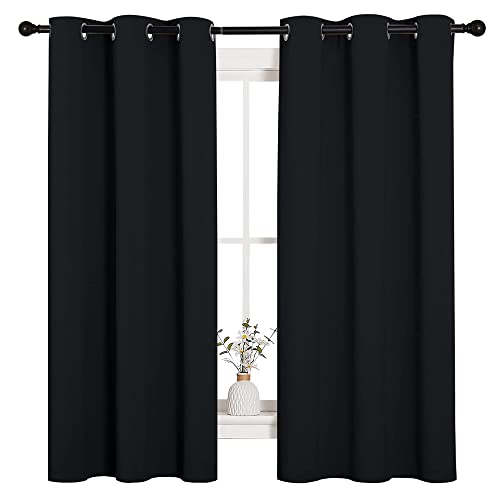
NICETOWN Pitch Black Solid Thermal Insulated Grommet Blackout Curtains/Drapes for Bedroom Window (2 Panels, 42 inches Wide by 63 inches Long, Black)
READY MADE: Package only includes 2 blackout curtain panels, each 42" wide x 63" long when fully spread,…
As an affiliate, we earn on qualifying purchases.
As an affiliate, we earn on qualifying purchases.
Frequently Asked Questions
Can Sleep Hygiene Practices Replace Medical Treatment for Sleep Disorders?
You might wonder if good sleep hygiene can replace medical treatment for sleep disorders. While behavior modification and lifestyle adjustments can markedly improve sleep quality, they often aren’t enough for more serious issues. It’s important to see a healthcare professional if your sleep problems persist. Sleep hygiene practices are valuable tools, but they should complement, not replace, medical treatment when necessary. Always consult a specialist for personalized advice.
How Long Does It Take to Notice Improvements From Sleep Hygiene Changes?
When you start implementing sleep hygiene practices, you might wonder about the timeline expectations for sleep improvement. Generally, you can notice some positive changes within a few days to a week, but it could take up to a month for full benefits. Consistency is key, so sticking to your new routines helps your sleep quality improve steadily over time. Keep tracking your progress to stay motivated and adjust as needed.
Are There Any Risks Associated With Strict Sleep Hygiene Routines?
Risks involved with strict sleep hygiene routines include becoming overly restrictive, which can lead to frustration, stress, or anxiety about sleep. You might develop an unhealthy obsession with perfect sleep, disrupting your routine and causing sleep deprivation. While discipline is beneficial, overdoing it could backfire, making it harder to fall asleep naturally. Balance is key; a rigid approach may do more harm than good if it increases worry or diminishes flexibility.
How Should Sleep Hygiene Be Adapted for Shift Workers?
When adapting sleep hygiene for shift workers, you should focus on adjusting sleep schedules to fit your work hours. Use blackout curtains to block out daylight during daytime sleep, and create a consistent pre-sleep routine to signal your body it’s time to rest. Prioritize a dark, quiet environment, and limit caffeine intake close to your sleep time. These steps help improve sleep quality despite irregular schedules.
Can Sleep Hygiene Tips Help With Insomnia Caused by Anxiety?
Yes, sleep hygiene tips can help with insomnia caused by anxiety. You should establish relaxing bedtime routines that calm your mind before sleep. Environmental adjustments, like keeping your bedroom cool, dark, and quiet, create a sleep-friendly space. Avoid screens and caffeine close to bedtime, which can worsen anxiety-related sleep issues. Consistently practicing these habits can improve your sleep quality and reduce anxiety’s impact on your rest.

Novilla Queen Mattress, 10 Inch Queen Size Memory Foam Mattress in a Box, Gel Memory Foam Mattress for Comfort Sleep &Cooling Night Sleep, CertiPUR-US Certified
Cooling & Breathable – The Novilla 10 inch queen size memory foam mattress addes 30% more NanoGel, which…
As an affiliate, we earn on qualifying purchases.
As an affiliate, we earn on qualifying purchases.
Conclusion
By following this sleep hygiene checklist, you’re giving yourself the best chance for restful nights. Many believe that habits like limiting screen time and maintaining a regular schedule are just tips, but research shows they truly improve sleep quality. Don’t underestimate the power of simple, evidence-based practices—they can transform your nights and boost your days. Start implementing these steps tonight and see how quickly better sleep becomes part of your routine.
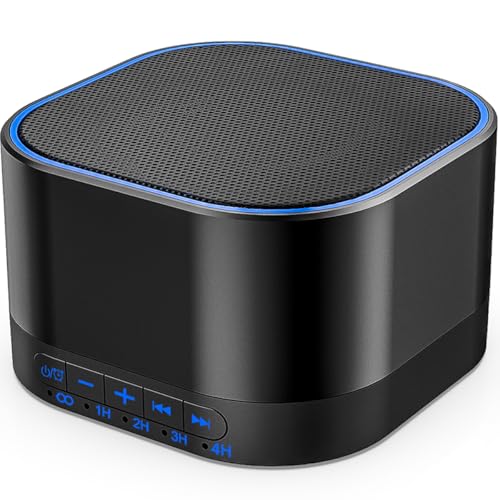
Magicteam Sound White Noise Machine with 20 Non Looping Natural Soothing Sounds and Memory Function 32 Levels of Volume Powered by AC or USB and Sleep Sound Timer Therapy for Baby Kids Adults
❤20 Non-Looping Sleep Sounds: White noise ,Brown noise, pink noise, blue noise, fan,brook, rain, ocean,bird and Bonfire,suitable for…
As an affiliate, we earn on qualifying purchases.
As an affiliate, we earn on qualifying purchases.

Ultra Pain Relief Cooling Pillow for Neck Support, Adjustable Cervical Pillow Cozy Sleeping, Odorless Ergonomic Contour Memory Foam Pillows, Orthopedic Bed Pillow for Side Back Stomach Sleeper
REVOLUTIONIZE YOUR SLEEP WITH THE INNOVATIVE HOLLOW CONCAVE DESIGN – Tired of waking up with neck pain and…
As an affiliate, we earn on qualifying purchases.
As an affiliate, we earn on qualifying purchases.