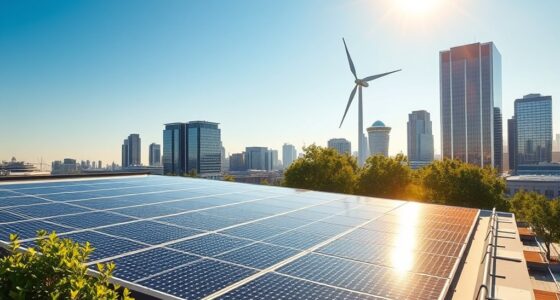
Addressing environmental justice means recognizing that marginalized communities often face higher pollution levels and lack resources to fight back. Your efforts can help push for policies that promote fairness and hold polluters accountable. Community activism plays a key role in creating cleaner, healthier environments for all. Understanding how systemic inequalities contribute to these issues can guide meaningful change. If you want to explore effective ways to promote equity in sustainability, there’s more to discover below.

Get health and wellness essentials delivered free with Prime
- Fast, free delivery on millions of items
- Prime Video, Amazon Music and more included
- Member-only deals all year
Key Takeaways
- Environmental justice ensures marginalized communities have equal access to clean air, water, and healthy environments.
- Community activism plays a vital role in advocating for equitable policies and holding polluters accountable.
- Addressing historical systemic inequalities is essential to achieving true environmental equity.
- Inclusive sustainability efforts empower residents, leading to tangible improvements in local environmental conditions.
- Recognizing and tackling disparities promotes social equity alongside environmental sustainability.

Have you ever wondered why some communities bear a heavier environmental burden than others? It’s often tied to issues like urban pollution, which disproportionately impacts marginalized neighborhoods. When you walk through a city, you might notice that low-income areas tend to face higher levels of air and water pollution, often due to nearby factories, busy highways, or inadequate waste management. These communities frequently lack the resources to fight back or advocate for cleaner environments. That’s where community activism becomes essential. When residents recognize the injustice, they organize and push for change, rallying against polluters and demanding policies that protect their health and surroundings. Their efforts can lead to important regulatory reforms and improved living conditions, highlighting how grassroots movements serve as a key force in addressing environmental inequities.
Urban pollution isn’t just an environmental issue—it’s a social justice concern. It’s unfair that some communities suffer more because of decisions made by corporations, governments, or industry leaders who often prioritize profit over people’s well-being. These disparities are rooted in historical patterns of segregation, economic inequality, and lack of political influence. When communities come together through activism, they often uncover the root causes of these problems and work to hold polluters accountable. Their campaigns may include public protests, legal challenges, or community-based monitoring of pollution levels. By amplifying their voices, residents can influence local policies, secure funding for cleaner infrastructure, and guarantee that environmental standards are enforced more equitably. Community activism isn’t just about protesting; it’s about empowering residents to become stewards of their own environment. Recognizing the importance of environmental justice helps frame these efforts within a broader movement for social equity.
Addressing urban pollution through community activism also fosters a sense of ownership and resilience. When people are involved in decision-making, they gain confidence and learn valuable skills. They begin to see themselves as agents of change capable of shaping their environment for the better. This collective effort can lead to tangible improvements, like cleaner parks, reduced emissions, and healthier living conditions. Furthermore, it helps bridge the gap between policymakers and residents, ensuring that environmental justice is not just a theoretical concept but a practical reality. Ultimately, it’s about recognizing that everyone deserves a healthy environment, regardless of their socioeconomic status, and that community activism plays a pivotal role in achieving that goal. By standing together, communities can challenge the systems that perpetuate urban pollution and work toward a more equitable future.
air quality monitor for urban pollution
As an affiliate, we earn on qualifying purchases.
As an affiliate, we earn on qualifying purchases.
Frequently Asked Questions
How Can Individuals Contribute to Environmental Justice Initiatives?
You can contribute to environmental justice initiatives by engaging with your community through outreach and advocacy. Participate in community engagement efforts, attend local meetings, and support organizations that focus on equity. Additionally, get involved in education programs to raise awareness about environmental issues affecting marginalized groups. Your active participation helps amplify voices and promotes equitable sustainability, empowering communities to address environmental injustices effectively.
What Are the Main Challenges in Achieving Environmental Equity?
Achieving environmental equity feels like moving mountains, but the main challenges you face include overcoming systemic inequalities and ensuring fair resource access. Pollution reduction efforts often miss marginalized communities, perpetuating disparities. You must navigate complex policies and economic interests that hinder progress. Addressing these issues requires persistent advocacy and equitable strategies, so everyone benefits from cleaner air, water, and resources, creating a just and sustainable future for all.
How Do Policies Impact Marginalized Communities Differently?
You see, policies can worsen pollution disparities by often overlooking marginalized communities, leading to higher exposure to environmental hazards. These policy impacts may result in limited resources, inadequate infrastructure, and less political influence for these groups. As a result, you might find that marginalized communities face greater health risks and reduced opportunities for sustainable development, highlighting the need for inclusive policies that address these disparities and promote environmental justice for all.
What Role Do Corporations Play in Environmental Justice?
You see, corporations play a vital role in environmental justice through their corporate responsibility, which should prioritize equitable sustainability. However, many engage in greenwashing strategies, pretending to support environmental causes while avoiding real change. You can hold companies accountable by demanding transparency and genuine efforts to address disparities. Their actions directly impact marginalized communities, so your awareness and advocacy can push them toward more equitable and responsible practices.
How Is Environmental Justice Integrated Into Urban Planning?
You integrate environmental justice into urban planning by prioritizing equitable access to green space and transportation. You guarantee underserved communities receive parks, gardens, and safe transit options, reducing disparities. By involving residents in decision-making and considering their needs, you create inclusive environments. This approach promotes healthier, more sustainable cities where everyone benefits from cleaner air, better mobility, and equal opportunities to enjoy urban resources, fostering overall community well-being.
As an affiliate, we earn on qualifying purchases.
Conclusion
Imagine you’re walking through a neighborhood where everyone shares the same weight of responsibility. When communities of color face higher pollution levels, it’s like carrying an unfair burden. Addressing environmental justice means you step up to lift that load, ensuring sustainability benefits everyone equally. Just as a single drop can cause a ripple, your actions can spark change. Together, you can turn the tide toward fairness, making resilience and equity a shared journey for all.
community pollution monitoring device
As an affiliate, we earn on qualifying purchases.
As an affiliate, we earn on qualifying purchases.
environmental justice advocacy books
As an affiliate, we earn on qualifying purchases.
As an affiliate, we earn on qualifying purchases.
Fall Picks
fall essentials
As an affiliate, we earn on qualifying purchases.