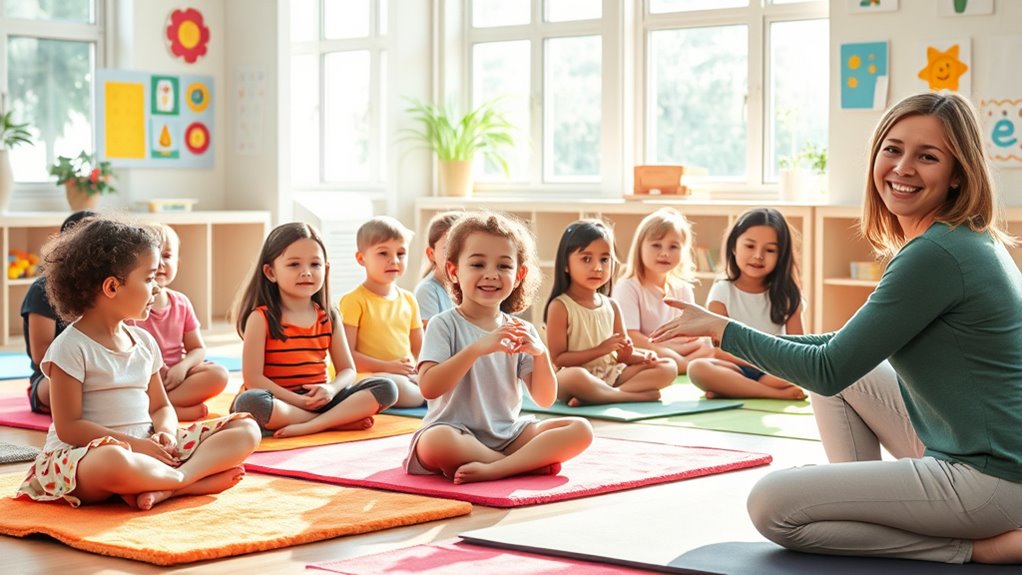

Practicing mindfulness with kids helps them develop better focus, emotional awareness, and kindness. By teaching children to pay attention to their breathing, sensations, and feelings without judgment, you support their ability to stay calm and respond thoughtfully. This regular practice builds patience, empathy, and resilience while reducing impulsive reactions. When you continue exploring mindfulness, you’ll discover simple ways to help your child nurture these valuable skills daily.
Key Takeaways
- Mindfulness teaches children to focus their attention on the present moment, enhancing their ability to stay attentive and engaged.
- Regular meditation fosters emotional awareness, helping kids recognize and manage feelings like kindness and compassion.
- Simple breathing exercises and guided meditations cultivate calmness, reducing impulsivity and promoting thoughtful responses.
- Practicing mindfulness encourages empathy by helping children become more aware of others’ feelings and perspectives.
- Integrating mindfulness into daily routines builds attention skills and nurtures a kind, considerate attitude toward oneself and others.
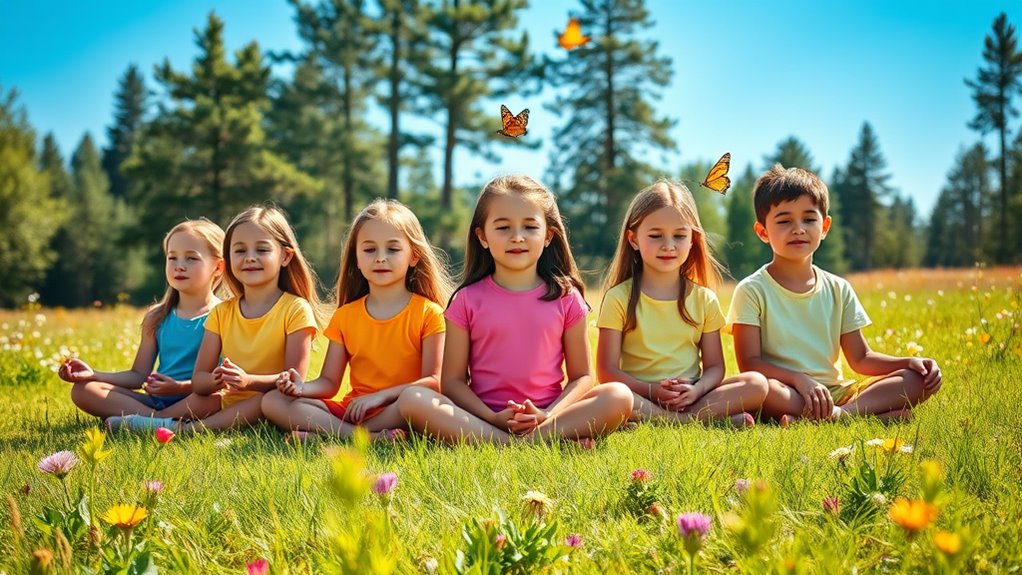
Have you ever wondered how kids can stay calm and focused in a busy world? It’s a common challenge for children to manage their emotions and stay present amid constant distractions. That’s where mindfulness can make a real difference. Teaching kids about emotional regulation helps them recognize and manage their feelings before they become overwhelming. One simple way to introduce this concept is through sitting meditation, which encourages children to pause, breathe, and observe their inner experiences. Sitting meditation isn’t about stopping their thoughts but rather noticing them without judgment, giving kids a tool to handle stress more effectively.
When you guide children in sitting meditation, you teach them to focus on their breath or a calming word or phrase. This practice helps them develop emotional regulation skills by anchoring their attention and creating space between feeling an emotion and reacting to it. For example, if a child feels anger rising, sitting quietly and taking deep breaths can help them calm down instead of lashing out. Over time, this regular practice strengthens their ability to stay centered, even when faced with difficult situations. It’s not about eliminating emotions but learning to manage them skillfully. Kids who practice sitting meditation often become more aware of their feelings and learn to respond thoughtfully rather than impulsively.
Introducing sitting meditation to children can be straightforward. You might start with just a few minutes a day, sitting comfortably and guiding them to pay attention to their breath. Encourage them to notice how the air feels as they inhale and exhale or to listen to the sounds around them. As they become more comfortable, they’ll begin to recognize their emotional states more clearly. This awareness is key to emotional regulation, as it allows them to catch their feelings early and choose their response wisely. Additionally, integrating technology in education can support children’s practice of mindfulness through guided meditations or calming apps.
Practicing sitting meditation regularly helps children build resilience and patience. It teaches them that it’s okay to experience strong emotions but also shows them that they have the power to calm themselves. As they develop these skills, you’ll notice improvements not only in their ability to focus but also in their kindness towards others. When kids learn to regulate their emotions, they’re more empathetic and less reactive, fostering better relationships. Overall, sitting meditation becomes a valuable tool in your child’s toolkit, helping them navigate the complexities of their emotional landscape with confidence and kindness.
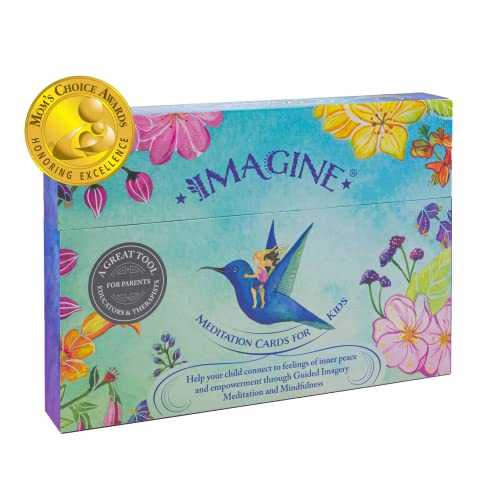
Imagine Meditation Cards for Kids – Award-Winning Mindfulness kit of XL Cards with Calming Guided Meditations for Empowerment, Focus and Relaxation. Great for Parents, Teachers and Therapists.
🌈 [AWARD-WINNING PREMIUM QUALITY Meditation kit and Mindfulness game for kids] providing a FUN and RELAXING activity for…
As an affiliate, we earn on qualifying purchases.
As an affiliate, we earn on qualifying purchases.
Frequently Asked Questions
How Can Parents Start Practicing Mindfulness With Their Children?
You can start practicing mindfulness with your children by engaging in simple activities like mindful breathing and gratitude exercises. Encourage them to take slow, deep breaths together, focusing on each inhale and exhale. Afterward, share gratitude by discussing things you’re thankful for. These practices help children develop attention skills and kindness, creating a calm, positive environment. Consistency makes these exercises become a natural part of your daily routine.
What Are Some Signs Mindfulness Is Benefiting a Child’s Behavior?
You’ll notice your child’s emotional regulation improves, like a calm lake after a storm. They handle frustrations better, show patience, and manage stress more effectively. Their social skills blossom as they become more attentive and kind. For example, if your kid shares toys more often or listens better, it’s a sign mindfulness is working. These changes indicate a more balanced, emotionally resilient child, thriving both at home and social settings.
Are There Specific Mindfulness Techniques Suitable for Very Young Kids?
Yes, there are mindfulness techniques suitable for very young kids. You can introduce simple breathing exercises, like encouraging them to take slow, deep breaths while pretending to blow up a balloon. Sensory activities, such as feeling different textures or listening to calming sounds, help them stay present. These techniques are engaging and easy to understand, making it easier for young children to develop attention and emotional awareness.
How Long Should Children Practice Mindfulness Each Day?
You should aim for about 5 to 10 minutes of mindfulness practice daily, adjusting based on your child’s age considerations. Younger children benefit from shorter sessions, around 3 to 5 minutes, while older kids can handle longer periods. Keep sessions engaging and flexible, focusing on quality over duration. Consistency is key, so establish a routine that fits your child’s attention span and gradually increase practice time as they grow.
Can Mindfulness Help Children With Anxiety or Hyperactivity?
Yes, mindfulness can help children with anxiety or hyperactivity by teaching them mindful breathing and emotional regulation techniques. When you guide kids to practice mindful breathing, they learn to calm their nervous system and manage overwhelming feelings. This active approach helps them stay present and control impulsive behaviors, reducing anxiety and hyperactivity. Consistent practice builds resilience, making it easier for children to handle stress and feel more balanced overall.

Breathing Cards for Kids – Mindfulness & Calming Corner Kit Must Haves, Yoga & Speech Therapy Materials, Special Education Classroom Office, Social Emotional Learning, Mindful Sensory Play Activities
Help Kids Manage Big Emotions & Stay Focused: When words don’t work, breathing activities help kids release energy,…
As an affiliate, we earn on qualifying purchases.
As an affiliate, we earn on qualifying purchases.
Conclusion
Practicing mindfulness helps kids stay present and kind, shaping their future in gentle, powerful ways. It’s like planting seeds of attention and compassion in their young minds, which grow into strong trees of resilience and empathy. Just as a quiet pond reflects the sky’s beauty, mindful children reflect kindness and awareness in every action. With patience and practice, you can guide them to a calmer, more compassionate world — one mindful moment at a time.

Feelings Chart for Kids, Emotional Regulation Tools for Kids, How Do You Feel Today Emotions Chart for Toddlers 2-4 Years, Big Feelings Deck Wheel, Autism Friendly Flip Book for Ages 4-8
🔹 Build Emotional Awareness Early: Interactive feelings chart for kids helps children identify emotions with a colorful emotions…
As an affiliate, we earn on qualifying purchases.
As an affiliate, we earn on qualifying purchases.

Kids Calm Magnesium Bisglycinate Saffron Gummies + Vegan Omega 3 – Magnesium Glycinate Chelated Supplement for Kids w/L-Theanine & Chamomile, Natural Calming Supplement Focus Gummies Sugar Free, 60ct
【Calming Gummies for Kids】Specifically formulated for the needs of kids & teens during their growth stages, it helps…
As an affiliate, we earn on qualifying purchases.
As an affiliate, we earn on qualifying purchases.