
Starting a side hustle lets you diversify your income streams and boost financial security. Focus on activities you enjoy, like crafting, writing, or tech skills, so you stay motivated. Carve out small pockets of time on weekends or mornings, and set clear, manageable goals to stay organized. Prioritize consistency over intensity and celebrate small wins along the way. Keep these strategies in mind, and you’ll discover how to turn your passions into a sustainable extra income source.
Key Takeaways
- Identify passions and skills that can be monetized to create diverse income sources.
- Allocate dedicated, manageable time blocks for different side hustle activities.
- Break down larger income diversification goals into small, actionable tasks.
- Prioritize efforts based on potential impact and personal fulfillment to avoid burnout.
- Celebrate small milestones to stay motivated and ensure long-term sustainability of multiple income streams.

Ever considered starting a side hustle but unsure where to begin? The first step is to identify what truly excites you. Many successful side projects stem from passion projects—activities you genuinely enjoy and feel motivated to pursue outside of your regular job. These passions can range from crafting, writing, photography, to tech skills or coaching. When you choose something you love, it becomes easier to stay committed, even when faced with challenges or limited free time. But remember, passion alone isn’t enough; effective time management is *pivotal*. You need to carve out dedicated slots in your busy schedule to nurture your side hustle without burning out or sacrificing your primary responsibilities. This might mean waking up earlier, using lunch breaks, or dedicating weekends to your passion projects. The key is consistency—small, regular efforts often yield the best results over time.
Once you’ve pinpointed a passion, it’s important to set realistic goals. Start small, focusing on manageable tasks that won’t overwhelm you. For example, if you enjoy writing, aim to publish one article a week rather than trying to launch a full blog immediately. Break down your larger goals into daily or weekly tasks, and use tools like calendars or task management apps to keep yourself on track. This disciplined approach helps you make steady progress without feeling overwhelmed, making time management more effective. As you build momentum, you can gradually scale your efforts, but always keep your workload manageable to prevent burnout. Additionally, understanding the shelf life of your resources can help you plan your content or products more efficiently, ensuring you release or refresh them at optimal times for maximum impact.
Another essential aspect is being clear about your priorities. Juggling a side hustle with a full-time job and personal life requires strategic planning. Be honest with yourself about how much time you can realistically dedicate each week. Sometimes, you may have to make sacrifices, like cutting back on leisure activities or social outings temporarily. It’s also helpful to set boundaries—communicate with your family or friends about your side project so they can support your efforts and understand your limited availability. Remember, the goal is to enhance your financial stability and personal fulfillment, not to stretch yourself too thin.
Finally, don’t forget to celebrate small wins along the way. Every completed task, new client, or positive feedback brings you closer to turning your passion project into a sustainable side hustle. With disciplined time management and a passion-driven mindset, you can create multiple income streams that not only boost your finances but also enrich your life with purpose and joy. Starting small and staying consistent are your best strategies for long-term success.
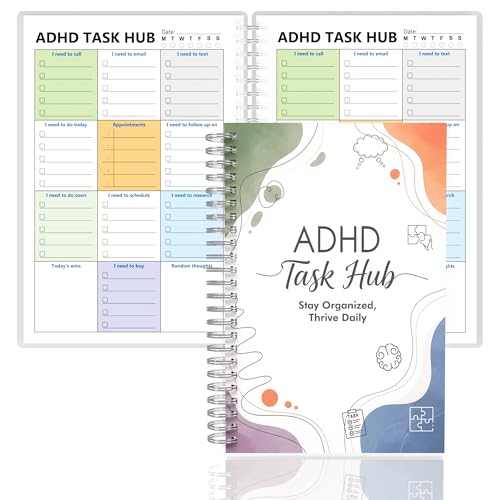
ADHD Planner for Focus & Productivity: Task Management Hub with Color-Coded Sections for Calls, Emails, To-Dos, Appointments & More. Reduce Overwhelm. A5, Durable Cover, 100gsm Paper, Spiral Bound
- Scientifically Structured for ADHD: Color-coded sections for focus and organization
- Enhances Motivation and Clarity: Dedicated sections for wins and thoughts
- Premium Durable Quality: A5 size with sturdy cover and thick paper
As an affiliate, we earn on qualifying purchases.
As an affiliate, we earn on qualifying purchases.
Frequently Asked Questions
How Do I Balance My Side Hustle With a Full-Time Job?
To balance your side hustle with a full-time job, prioritize effective time management by scheduling dedicated blocks for both tasks. Set clear boundaries to prevent burnout, such as limiting side hustle work to evenings or weekends. Communicate your availability to clients and colleagues, and adhere to your schedule. This approach ensures you stay productive without sacrificing your well-being or job performance.
What Are the Legal Considerations for Starting a Side Business?
When starting a side business, you need to understand contract obligations to protect your interests and ensure clear agreements with clients or partners. Check licensing requirements for your industry and location to stay compliant with local laws. It’s also wise to register your business if needed and understand tax implications. These legal considerations help you prevent fines or lawsuits, giving you peace of mind as you grow your side hustle.
How Much Initial Investment Is Typically Required?
Think of startup costs as your secret weapon—usually, they range from a few hundred to several thousand dollars, depending on your side hustle. You might need funds for equipment, licensing, or marketing. Funding options include personal savings, small business loans, or even crowdfunding. To keep your budget in check, start small and gradually reinvest profits, just like a vintage story that’s worth the climb.
How Can I Market My Side Hustle Effectively?
You can market your side hustle effectively by leveraging social media platforms like Instagram, Facebook, and TikTok to reach your target audience. Focus on building strong branding by creating consistent visuals and messaging that reflect your unique value. Engage regularly with followers, share authentic content, and use targeted ads to boost visibility. Collaborate with influencers or local communities to expand your reach and establish trust in your brand.
What Are Common Pitfalls to Avoid When Starting a Side Gig?
When starting your side gig, avoid common pitfalls like poor time management and misallocated resources. You might overcommit yourself or neglect essential tasks, so set clear priorities and create a realistic schedule. Don’t spread yourself too thin or ignore your financial and material resources. Stay organized, track your progress, and adjust your plans as needed. By managing your time effectively and allocating resources wisely, you’ll increase your chances of success.

The Ultimate Blogging Resource List: Essential Tools & Resources for Bloggers
As an affiliate, we earn on qualifying purchases.
As an affiliate, we earn on qualifying purchases.
Conclusion
Starting a side hustle is like planting a seed that can grow into a flourishing tree, providing you with financial shade and stability. By diversifying your income streams, you’re building a safety net that catches you if one source falls. Remember, the journey may have its roots in effort, but the fruits—more security and freedom—are worth it. Keep pushing forward, and watch your financial garden blossom beyond what you imagined.

Bonison 50 PCS Keychain Making Kit with Lobster Claw Clasps & Key Rings
- Versatile for Various Crafts: Ideal for jewelry, keychains, and DIY projects
- High-Quality Material: Made from durable, high-grade metal with a sleek finish
- Perfect Size: Measures 1 inch wide for versatile use
As an affiliate, we earn on qualifying purchases.
As an affiliate, we earn on qualifying purchases.

Inspirational Notebook Diary Gift for Women Entrepreneurs: EntrepreneuHER | Motivational Quote Journal Gift for Entrepreneurs Friend Colleague: 150 Lined Pages 8" x 10"
As an affiliate, we earn on qualifying purchases.
As an affiliate, we earn on qualifying purchases.