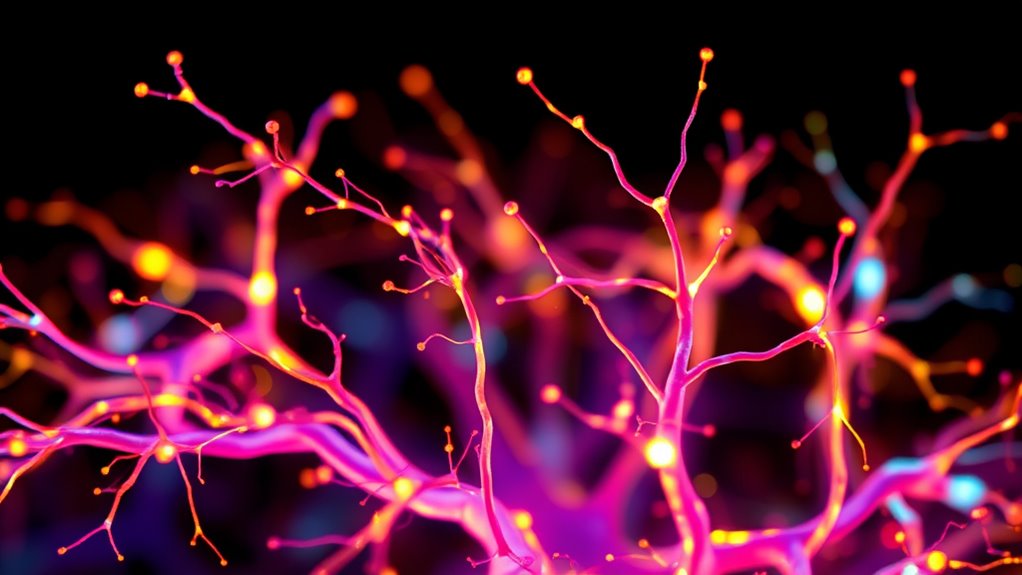

Neuroplasticity allows your brain to change and adapt, helping you improve mental health and resilience. By engaging in practices like mindfulness meditation and cognitive restructuring, you can rewire neural pathways linked to stress, negativity, and unhealthy habits. Consistent effort strengthens positive circuits, making lasting changes in how you think and respond. As you continue exploring, you’ll discover how harnessing neuroplasticity can support your ongoing mental and emotional growth.

Get health and wellness essentials delivered free — and shop member deals
- Fast, free delivery on millions of items
- Access to Prime Big Deal Days deals on October 6–7
- Prime Video, Amazon Music and more included
Key Takeaways
- Neuroplasticity enables the brain to reorganize itself, facilitating mental and emotional growth essential for overall wellbeing.
- Mindful meditation harnesses neuroplasticity to rewire neural pathways, reducing stress and promoting emotional balance.
- Cognitive restructuring uses neuroplasticity to replace negative thought patterns with healthier perspectives.
- Regular practice of mental techniques strengthens neural connections, leading to lasting positive changes in brain structure.
- Activation of the brain’s natural capacity for change supports resilience and adaptation to new experiences and challenges.
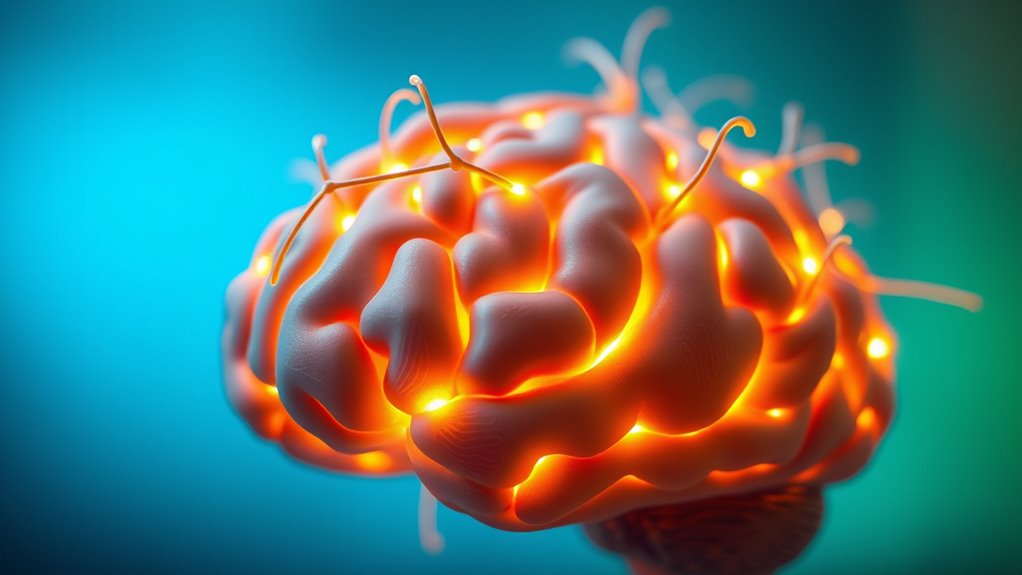
Neuroplasticity, the brain’s remarkable ability to reorganize itself, plays a crucial role in shaping your wellbeing. This ability allows your brain to adapt to new experiences, learn new skills, and recover from setbacks. When you engage in practices like mindful meditation, you’re actively harnessing neuroplasticity to improve mental health. Mindful meditation sharpens your awareness of thoughts and emotions, helping you observe them without judgment. Over time, this practice rewires neural pathways associated with stress, anxiety, and negative thought patterns, fostering a calmer, more balanced mind. As you consistently meditate, your brain strengthens the circuits that promote focus and emotional regulation, making it easier to handle life’s challenges with resilience. neuroplasticity also enables the development of new coping strategies in response to life’s changing circumstances. Cognitive restructuring, another powerful tool, taps into neuroplasticity by helping you change the way you interpret and respond to situations. Instead of reacting automatically to negative thoughts, you learn to identify and challenge them, replacing them with healthier, more realistic perspectives. This mental shift involves rewiring neural networks that previously reinforced destructive thinking habits. Through repeated practice, these new pathways become more ingrained, making positive thinking more automatic over time. You might notice yourself feeling less overwhelmed by worries and more capable of approaching problems calmly and logically. The key to leveraging neuroplasticity is consistency. When you regularly practice mindful meditation, you’re not just temporarily calming your mind—you’re creating lasting changes in your brain’s structure. Similarly, cognitive restructuring works best when you consciously and repeatedly challenge negative thoughts, reinforcing positive neural connections. These techniques are especially effective because they activate your brain’s natural capacity for change. Instead of being fixed in your mental patterns, you can actively reshape them, leading to improved mental health and a greater sense of wellbeing.
As an affiliate, we earn on qualifying purchases.
Frequently Asked Questions
Can Neuroplasticity Reverse All Brain Damage?
Neuroplasticity can’t reverse all brain damage, but it can substantially aid in brain repair and neural regeneration. Your brain adapts by rewiring itself around damaged areas, helping improve functions. The extent of recovery depends on factors like injury severity and timing of intervention. While some damage may be permanent, engaging in targeted activities and therapies can maximize your brain’s capacity to adapt and regain lost abilities.
How Quickly Can Neuroplasticity Improve Mental Health?
You might be surprised, but neuroplasticity can start rewiring your brain in just a few weeks, boosting your mental resilience. While change isn’t instant, consistent efforts like mindfulness or therapy accelerate this process. So, within a month or two of dedicated practice, you could notice significant improvements in your mental health. Your brain adapts faster than you’d think, proving that positive change is always possible—if you give it time.
Does Age Affect the Brain’s Ability to Change?
Age does influence your brain’s ability to change, but it doesn’t stop it. As you grow older, brain development slows, yet your cognitive flexibility remains. You can still enhance your mental health by engaging in new activities, learning, and practicing mindfulness. Your brain adapts at any age, so stay proactive. The key is to challenge your mind regularly, fostering neuroplasticity and supporting ongoing growth.
Can Neuroplasticity Help With Addiction Recovery?
Yes, neuroplasticity can help with addiction recovery. You can rewire your behaviors by rewiring your brain’s reward system, which is often disrupted by addiction. Through consistent effort, therapy, and new habits, your brain adapts and forms healthier pathways. This process supports breaking free from cravings and triggers, enabling you to regain control over your actions and promote long-term recovery.
Are There Risks Associated With Intentionally Changing Brain Pathways?
Yes, intentionally changing brain pathways can carry risks, including ethical concerns and unintended consequences. You might experience unforeseen emotional or cognitive effects that could impact your wellbeing. It is crucial to approach such interventions with caution, consulting professionals who understand neuroplasticity. By being aware of potential risks, you can make informed decisions, ensuring your efforts to adapt your brain are safe and ethically sound.
cognitive restructuring workbook
As an affiliate, we earn on qualifying purchases.
As an affiliate, we earn on qualifying purchases.
Conclusion
By understanding how your brain adapts through neuroplasticity, you realize how much control you have over your wellbeing. Every thought, habit, and experience shapes your mind’s potential for growth and resilience. Will you choose to nurture your brain’s incredible ability to change and thrive? Remember, your mind is a powerful tool—use it wisely, and embrace the opportunity to create a healthier, happier you. The choice to transform is always in your hands.
neuroplasticity brain training cards
As an affiliate, we earn on qualifying purchases.
As an affiliate, we earn on qualifying purchases.
stress relief adult coloring book
As an affiliate, we earn on qualifying purchases.
As an affiliate, we earn on qualifying purchases.
Halloween Picks
halloween
As an affiliate, we earn on qualifying purchases.