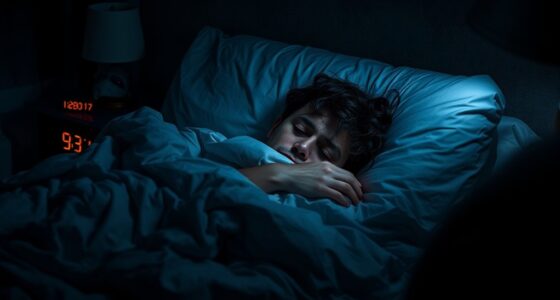
Getting quality sleep is vital for athletes aiming to recover well and boost performance. It helps repair muscles, regulate hormones, and sharpen your mind. By establishing good sleep habits—like sticking to a consistent schedule, creating a cool, dark environment, and avoiding screens—you can improve your rest. Using professional sleep tools can also give insights to fine-tune your recovery. Keep going to discover how combining sleep hygiene with dream insights can release your full potential.
Key Takeaways
- Prioritize consistent, high-quality sleep to support muscle recovery, hormone regulation, and mental clarity essential for athletic performance.
- Establish a sleep-friendly environment—cool, dark, quiet—and avoid screens before bedtime to improve sleep onset and duration.
- Use professional sleep monitoring tools to identify patterns and tailor strategies for better sleep and recovery.
- Reflect on dreams and subconscious signals to detect stress, fatigue, or mental barriers impacting sleep quality and athletic progress.
- Combine good sleep hygiene with dream analysis to optimize physical recovery, mental resilience, and overall athletic performance.

Have you ever wondered why sleep is considered one of the most critical factors for athletic performance? It’s because quality sleep directly impacts your recovery, mental sharpness, and overall physical readiness. To maximize these benefits, paying attention to sleep hygiene is essential. Sleep hygiene involves establishing simple habits that promote restful sleep, such as maintaining a consistent sleep schedule, creating a cool, dark, and quiet sleep environment, and avoiding screen time before bed. When you prioritize good sleep hygiene, you help regulate your circadian rhythms, making it easier to fall asleep and stay asleep through the night. This consistency leads to more restorative sleep cycles, which are essential for muscle repair, hormone regulation, and cognitive function—all key elements for athletes like you striving to perform at your best. Using professional-grade equipment can also significantly improve the quality of your sleep recordings and overall sleep quality.
Beyond just getting enough sleep, some athletes find it helpful to explore dream analysis. Dream analysis isn’t just about recalling dreams; it can provide valuable insights into your subconscious mind. During REM sleep, when most dreaming occurs, your brain processes emotions, stress, and physical fatigue. Paying attention to your dreams can reveal patterns or recurring themes that might indicate underlying issues such as anxiety, overtraining, or mental fatigue. By reflecting on these dreams, you can identify stressors that may be affecting your sleep quality or performance. For instance, vivid or disturbing dreams might signal that you’re overstressed or not fully recovered. Recognizing these signals allows you to address mental barriers, whether through relaxation techniques, mindfulness, or adjusting your training load.
Combining good sleep hygiene with dream analysis offers a holistic approach to improving your sleep quality. When you consistently practice habits that foster better sleep, you’re setting a strong foundation for recovery and peak performance. Meanwhile, understanding your dreams can give you deeper insights into how your mind and body are coping with your training demands. This dual focus helps you optimize not only the quantity of your sleep but also its quality. Remember, sleep isn’t just downtime; it’s a powerful tool for recovery, mental clarity, and athletic growth. By taking proactive steps to improve your sleep hygiene and paying attention to your dreams, you’ll enhance your ability to perform, recover, and push your limits more effectively.

SOMNDEEP Non-Wearable Smart Sleep Tracker, Contactless Sleep Monitor Device
- Non-Wearable Design: Comfortable, contactless sleep monitoring
- Comprehensive Sleep Tracking: Heart rate, breathing, and movement analysis
- Sleep Stage Measurement: Deep, light, and REM sleep percentages
As an affiliate, we earn on qualifying purchases.
As an affiliate, we earn on qualifying purchases.
Frequently Asked Questions
How Does Sleep Quality Affect Athletic Performance?
Your sleep quality directly impacts athletic performance by influencing sleep stages like REM and deep sleep, which are vital for recovery and memory. When you get enough restful sleep, you enhance muscle repair and focus. Dream analysis can reveal stress or fatigue, helping you optimize rest. Poor sleep disrupts these stages, leading to slower recovery and reduced performance, so prioritizing quality sleep is essential for peak athletic results.
What Are Common Sleep Disturbances Among Athletes?
You often face sleep disturbances like sleep disorders and stress-related insomnia, which disrupt your rest. These issues stem from intense training, mental stress, or overtraining, making it hard to fall asleep or stay asleep. You might experience restless nights, waking up frequently, or feeling unrefreshed. Managing stress and establishing a relaxing bedtime routine can help, but addressing underlying causes like anxiety or physical discomfort is essential to improve your sleep quality.
Can Naps Replace Overnight Sleep for Athletes?
You might wonder if power naps can replace overnight sleep, but they can’t fully compensate for sleep deprivation. Imagine a brief escape, like a quick power nap, easing fatigue temporarily. However, your body needs the deep, restorative stages of overnight sleep to recover fully. While naps boost alertness, they’re no substitute for consistent, quality sleep that truly enhances your athletic performance and recovery.
How Does Travel Impact Athletes’ Sleep Schedules?
Travel impacts your sleep schedule by disrupting your natural rhythm through jet lag and time zone adjustments. When you fly across multiple zones, your body struggles to synchronize with the new schedule, causing fatigue and poor sleep quality. To minimize effects, try adjusting your sleep times before travel, stay hydrated, and seek sunlight upon arrival. These strategies help your body adapt more effectively, ensuring you recover and perform at your best.
What Are Effective Strategies to Improve Sleep Hygiene?
Boost your bedtime by building a consistent routine and optimizing your sleep environment. Establish calming bedtime routines like reading or gentle stretching to signal your body it’s time to wind down. Keep your sleep environment cool, dark, and quiet to promote restful sleep. Avoid screens before bed, and stick to a regular sleep schedule even on rest days. These strategies help improve sleep hygiene, ensuring you wake refreshed and ready to perform.

Withings Sleep – Sleep Tracking Pad Under The Mattress With Sleep Cycle Analysis
- Sleep Pattern Analysis: Detects snoring and monitors sleep stages
- Innovative Under-Mattress Sensor: World's first under-mattress sleep sensor
- Improves Sleep Quality: Provides insights and advice for better sleep
As an affiliate, we earn on qualifying purchases.
As an affiliate, we earn on qualifying purchases.
Conclusion
Think of sleep as your secret fuel, quietly refueling your body’s engine each night. When you prioritize quality rest, you’re polishing your performance like a diamond, shining brighter with every dawn. It’s not just rest; it’s your competitive edge, helping you recover faster and push harder. Embrace sleep as your partner in victory, and watch your athletic journey transform into a smooth, unstoppable race towards greatness. Rest well, and let your potential unfold.

MZOO Luxury Sleep Mask for Women Men Patented Light Blocking Design
- Zero Eye Pressure: Deep 13mm arc-shaped eye cups
- Ideal for Side Sleepers: 15°-curved thin sides for comfort
- Complete Light Blocking: Contoured eye cups and 22mm nose padding
As an affiliate, we earn on qualifying purchases.
As an affiliate, we earn on qualifying purchases.
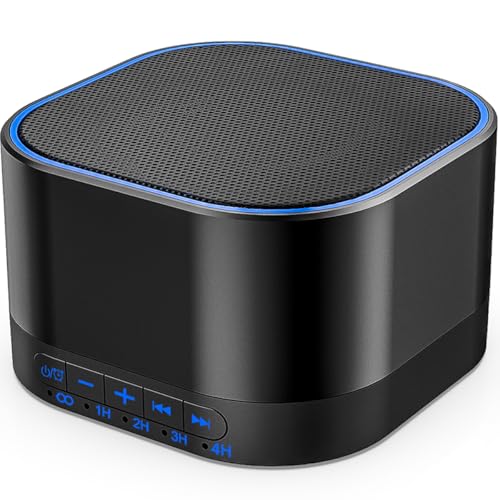
Magicteam Sound White Noise Machine with 20 Non Looping Natural Soothing Sounds and Memory Function 32 Levels of Volume Powered by AC or USB and Sleep Sound Timer Therapy for Baby Kids Adults
- 20 Non-Looping Soothing Sounds: Includes white, pink, brown, blue noise, and nature sounds
- Adjustable Volume & Timer: 32 volume levels and multiple timer options
- Portable & Compact Design: Small size for home, office, or travel use
As an affiliate, we earn on qualifying purchases.
As an affiliate, we earn on qualifying purchases.