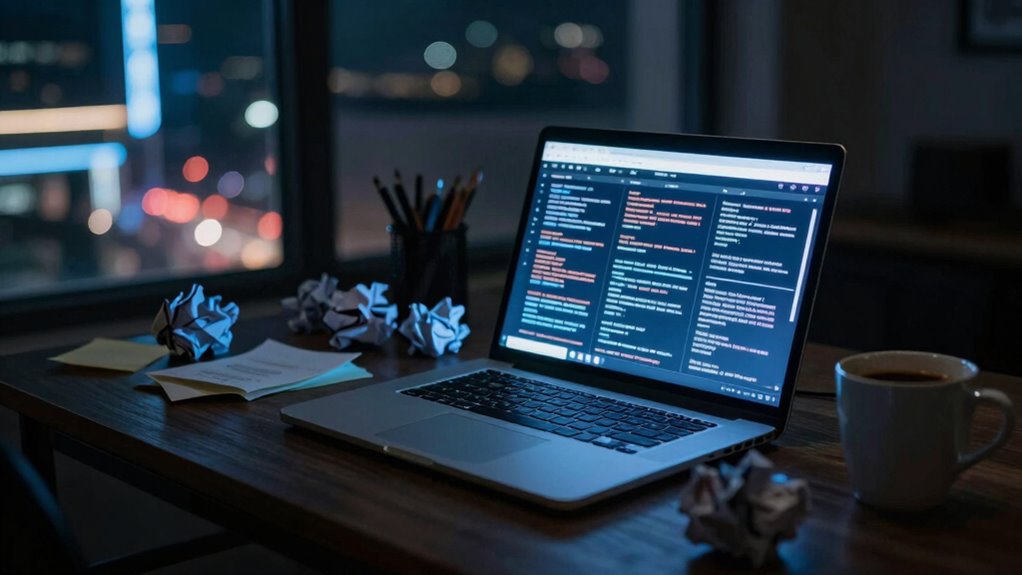

Doomscrolling feels productive because it gives you a false sense of control and awareness, making you believe you’re staying informed and prepared. However, it actually drains your mental and emotional energy, leading to fatigue, anxiety, and emotional exhaustion. You might think you’re making progress, but it only reinforces negativity and burnout. If you want to better understand why this habit is misleading and how to break free, more insights are ahead.

Get health and wellness essentials delivered free — and shop member deals
- Fast, free delivery on millions of items
- Access to Prime Big Deal Days deals on October 6–7
- Prime Video, Amazon Music and more included
Key Takeaways
- It provides a false sense of control by staying informed, even though it increases anxiety and mental fatigue.
- The cycle of overstimulation and emotional exhaustion makes it seem like active engagement, but it drains emotional resources.
- Doomscrolling offers temporary distraction from personal emotions, creating an illusion of productivity without meaningful progress.
- The habit reinforces a belief that staying glued to news is necessary, masking its actual negative impact on well-being.
- It mimics productive behavior by consuming information, but ultimately hinders focus, clarity, and emotional resilience.
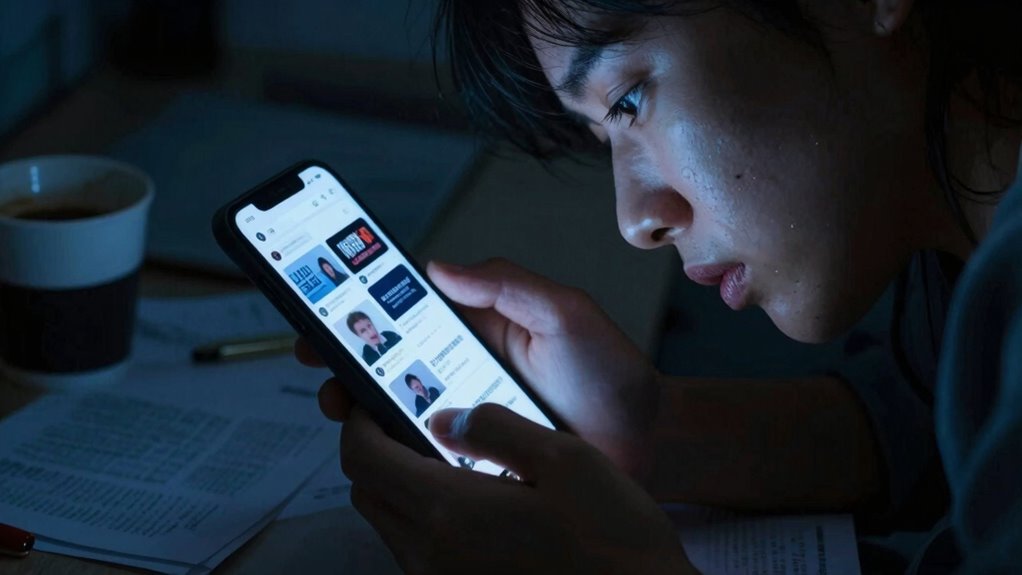
Many people find themselves compulsively scrolling through bad news updates, convinced it’s somehow making them more informed or productive. But in reality, this habit often leads to digital fatigue, leaving you drained and overwhelmed. Each time you scroll, you’re consuming a relentless stream of negativity, which can quickly wear down your mental resilience. Instead of feeling more aware, you might start feeling disconnected from your own emotions, as if you’re numbing yourself to distress rather than processing it. That’s emotional exhaustion creeping in, and it’s a clear sign that doomscrolling isn’t serving your well-being.
Doomscrolling drains your energy, disconnects you from emotions, and worsens mental exhaustion—break the cycle for your well-being.
You tell yourself that staying updated on current events makes you more prepared or aware, but what it really does is trap you in a cycle of anxiety. The more you scroll, the more you reinforce feelings of helplessness and uncertainty. It feels productive because you’re doing something, but in truth, you’re just fueling your digital fatigue. Your brain is overstimulated and under-rested, which hampers your ability to focus on other tasks. The constant influx of bad news creates a sense of urgency, convincing you that you need to stay glued to your device, even when it’s harming your mental health.
This habit also deepens emotional exhaustion. When you continuously expose yourself to distressing stories, your emotional reserves deplete quickly. It becomes harder to find joy or motivation because your mind is stuck in a state of alarm. You might notice yourself feeling more irritable, anxious, or detached from loved ones—all signs that your emotional energy is running low. Despite thinking that doomscrolling keeps you “informed,” it often does the opposite: it robs you of peace and clarity. Over time, these feelings of exhaustion can lead to burnout, making it even more tempting to retreat into endless scrolling as a way to numb the discomfort.
Recognizing this pattern is crucial. Instead of convincing yourself that doomscrolling is a necessary or productive habit, acknowledge how it drains your mental and emotional resources. Take breaks, set boundaries, and prioritize real-world connections or activities that restore your energy. Incorporating mindful media consumption and color accuracy can help you regain control over your emotional well-being. Remember, true productivity involves energy and focus—things that digital fatigue and emotional exhaustion diminish. Breaking free from this cycle isn’t just about stopping the scroll; it’s about reclaiming your mental space and emotional health.
As an affiliate, we earn on qualifying purchases.
Frequently Asked Questions
Can Doomscrolling Ever Be Intentionally Beneficial?
Doomscrolling can be intentionally beneficial if you set boundaries and practice mindfulness techniques. Instead of mindlessly scrolling, take a digital detox when needed, limiting your exposure to negative news. Use mindfulness to stay aware of your feelings and avoid getting overwhelmed. By doing this, you can stay informed without sacrificing your mental health, turning what seems like a harmful habit into a conscious, controlled activity that supports your well-being.
How Does Doomscrolling Affect Mental Health Long-Term?
You may find that doomscrolling takes a toll on your mental health over time. It can lead to emotional fatigue and cognitive overload, leaving you feeling drained and overwhelmed. Constant exposure to negative news reinforces anxiety and hopelessness, making it harder to focus and enjoy life. Long-term, this habit can diminish your resilience and skew your perception of reality, trapping you in a cycle that’s tough to break.
Are There Better Ways to Stay Informed Without Negative Effects?
Yes, there are better ways to stay informed without negative effects. You can practice mindful consumption by setting limits on your news intake and choosing reliable sources. Avoid information overload by scheduling specific times for updates and taking breaks from screens. Instead of endless scrolling, focus on meaningful stories or discussions. This approach helps you stay informed without feeling overwhelmed or anxious, promoting healthier mental habits and a clearer perspective.
What Psychological Factors Drive Compulsive Doomscrolling?
You’re driven by psychological factors like cognitive biases and emotional triggers. Cognitive biases, such as negativity bias, make you focus more on bad news, while emotional triggers like fear or anxiety push you to seek reassurance or distraction. These forces create a cycle where you feel compelled to keep scrolling, believing it’s necessary. Recognizing these factors helps you break free from the compulsive pattern and regain control over your media consumption.
How Can I Break the Habit of Endless Doomscrolling?
You can break the habit of endless doomscrolling by starting a digital detox, setting boundaries for your screen time. Imagine Sarah, who replaced her nightly scroll with mindful browsing—focusing only on positive news or hobbies. This shift helps you regain control, reduce anxiety, and foster healthier habits. Practice mindful browsing daily, limit social media use, and replace scrolling with activities that bring genuine joy and peace.
As an affiliate, we earn on qualifying purchases.
Conclusion
You might feel like doomscrolling keeps you informed, but in reality, it often just drains your energy. Studies show that the average person spends over two hours daily scrolling through negative news, which can increase stress and anxiety. So next time you catch yourself scrolling endlessly, remember: it’s not productivity, it’s just a cycle that leaves you feeling worse. Break free, focus on what truly matters, and reclaim your time and peace of mind.
As an affiliate, we earn on qualifying purchases.
As an affiliate, we earn on qualifying purchases.
Fall Picks
fall essentials
As an affiliate, we earn on qualifying purchases.