
TL;DR
Juliana Sloane has released a guided meditation designed to foster comfort and kindness in those experiencing pain or illness. The practice uses imagery and mindfulness to support emotional and physical well-being. Its effectiveness is supported by anecdotal reports, but scientific validation remains ongoing.
Renowned meditation teacher Juliana Sloane has introduced a new guided meditation designed to bring comfort and kindness to individuals dealing with pain and illness, emphasizing emotional resilience and symptom management.

Get health and wellness essentials delivered free with Prime
- Fast, free delivery on millions of items
- Prime Video, Amazon Music and more included
- Member-only deals all year
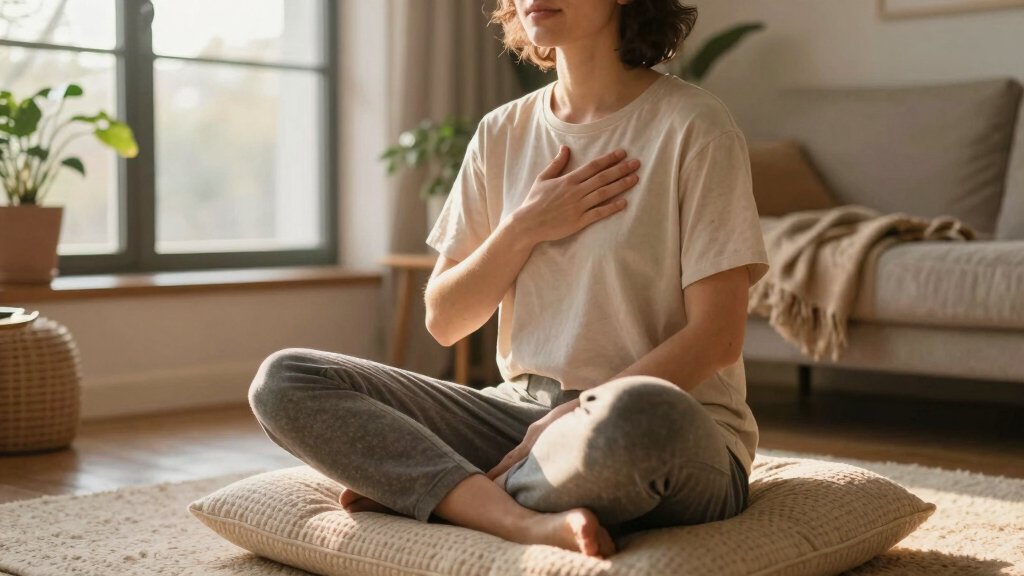
The meditation, available through audio and written scripts, guides participants through relaxation techniques focused on body awareness, imagery, and resourcefulness. It encourages users to identify their discomfort, visualize supportive colors and qualities such as kindness and patience, and imagine infusing those qualities into affected areas of the body.
Sloane, a Buddhist teacher and hypnotherapist, states that these practices have been shown to support symptom management and emotional well-being, especially for those living with chronic or complex health conditions. The meditation aims to foster self-compassion and create a sense of safety amid ongoing discomfort.
Why It Matters
This development matters because it offers a non-pharmacological, accessible tool for individuals managing chronic pain and illness, conditions often associated with emotional distress and feelings of helplessness. If effective, such practices could complement medical treatments, improving quality of life and emotional resilience.
Products Worth Considering

Therabody Theragun Relief Massage Gun, 3-Speed, Navy

Garmin Fenix 7X Sapphire Solar Multisport GPS Watch

Withings BPM Vision Blood Pressure Monitor
As an affiliate, we earn on qualifying purchases.
Background
Chronic and complex health conditions frequently lack definitive cures, leaving many patients to cope with persistent symptoms. Mindfulness and meditation have gained recognition as supportive practices, but specific guided meditations tailored to pain and illness are still emerging. Juliana Sloane’s approach integrates traditional mindfulness with creative visualization, aligning with evidence suggesting these techniques can reduce perceived pain and improve emotional health.
“We can meet our suffering with creativity, gentleness, and compassion. This meditation offers a way to cultivate those qualities within ourselves, even in the midst of pain.”
— Juliana Sloane
“Practices like Sloane’s meditation are increasingly recognized for their potential to help individuals cope with persistent health challenges, although more scientific research is needed to confirm their efficacy.”
— Mindful
What Remains Unclear
It is not yet confirmed how widely adopted or effective this specific meditation will be for diverse populations or long-term symptom management. Scientific studies validating its impact are still in progress.
What’s Next
Further research and clinical trials may be conducted to evaluate the meditation’s effectiveness. Sloane and other practitioners may develop additional guided practices, and healthcare providers might integrate such techniques into holistic treatment plans.
Key Questions
Can this meditation replace medical treatment for pain or illness?
This meditation is intended as a complementary practice and should not replace professional medical advice or treatment. It aims to support emotional resilience and symptom management.
Is this meditation suitable for all types of pain or illness?
The practice is generally accessible but may need to be adapted for specific conditions. Consulting with a healthcare provider before starting new mindfulness practices is recommended.
How often should I practice this meditation for best results?
While there are no strict guidelines, regular practice—daily or several times a week—may enhance its benefits. Personal comfort and consistency are key.
What evidence supports the use of visualization and imagery in pain management?
Research indicates that visualization and imagery can help reduce perceived pain and improve emotional well-being, though individual results vary and more studies are ongoing.
Source: Mindful