
TL;DR
Numerous individuals are expressing on social media that they feel they have lost their 20s, raising questions about life satisfaction and societal pressures. This article examines the phenomenon and its significance.
Many social media users are openly sharing that they feel they have completely lost their 20s, a sentiment that has gained widespread attention online. This phenomenon reflects a broader conversation about life satisfaction, societal expectations, and personal development during this decade.
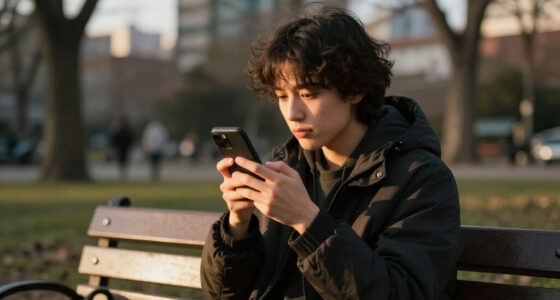
Since early 2024, numerous posts on platforms like Reddit, Twitter, and TikTok have highlighted a common feeling among people in their 20s: that they have not achieved the milestones or personal growth they expected. These posts often describe feelings of stagnation, regret, or confusion about their life direction. While these expressions are anecdotal, they resonate with many who are questioning whether their 20s have been productive or meaningful.
Experts note that this sentiment may be linked to societal pressures to achieve certain milestones—such as career success, financial independence, or personal relationships—by a specific age. However, there is no scientific consensus that this feeling is universal or indicative of a mental health crisis. Instead, it appears to be a common, shared experience among a segment of young adults navigating a complex socio-economic landscape.
Implications for Mental Health and Societal Expectations
This widespread feeling of having lost one’s 20s may impact mental health, potentially leading to increased anxiety or depression if not addressed. It also raises questions about societal expectations placed on young adults to achieve certain life milestones within a specific timeframe. Recognizing this shared experience could influence how mental health resources and social narratives are shaped for this age group.

Atomic Habits: An Easy & Proven Way to Build Good Habits & Break Bad Ones
As an affiliate, we earn on qualifying purchases.
As an affiliate, we earn on qualifying purchases.
Growing Discontent Among Young Adults in the Digital Age
Over the past decade, societal pressures to succeed quickly and achieve early milestones have intensified, partly fueled by social media. Many young adults compare their progress to curated images of success, leading to feelings of inadequacy. The COVID-19 pandemic further disrupted typical life trajectories, delaying career starts, relationships, and personal growth. These factors contribute to a collective sense of having ‘lost’ or missed out on their 20s, as reflected in recent social media discussions.
“The feeling of having lost one’s 20s is often rooted in societal pressures and unrealistic comparisons, rather than actual life failure.”
— an anonymous researcher

JUBTIC Self-Mastery Journal for Men, Guided Reflection Journal, Black
- Personal Growth: Self-discovery and resilience building
- Goal Setting: Achieve meaningful goals and personal excellence
- Aspirational Planning: 13-week guided gratitude and vision journal
As an affiliate, we earn on qualifying purchases.
As an affiliate, we earn on qualifying purchases.
Extent and Impact of the ‘Lost 20s’ Feeling
It is not yet clear how widespread this feeling is across different demographics or whether it correlates with long-term mental health issues. Researchers are still studying whether this sentiment is temporary or indicative of deeper societal or individual issues. The long-term effects of this shared experience remain uncertain.
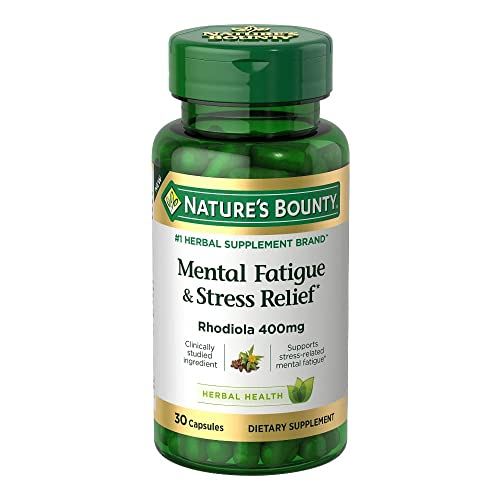
Nature's Bounty Mental Fatigue and Stress Relief, 400mg, 30 Capsules
- Supports Mental Fatigue and Stress: Helps with stress-related mental fatigue
- Enhances Stress Resistance: Builds body's resistance to stress
- Contains 400mg Rhodiolife: Includes clinically studied Rhodiola root
As an affiliate, we earn on qualifying purchases.
As an affiliate, we earn on qualifying purchases.
Experts and mental health professionals may begin to track how this sentiment influences wellbeing among young adults. Future research could clarify whether this feeling persists or diminishes over time and how social media influences perceptions of personal success. Additionally, discussions around redefining success and milestones might become more prominent.

ADHD Daily Planner for Neurodivergent Adults – Productivity Daily Planner & Task Management to Stay Organized and Focused (Rainbow)
- ADHD Friendly Design: Structured planner for neurodivergent adults
- Task Prioritization: Guided prompts for important tasks
- Brain Dump Space: Capture thoughts and ideas easily
As an affiliate, we earn on qualifying purchases.
As an affiliate, we earn on qualifying purchases.
Key Questions
Is feeling like I lost my 20s a sign of mental health issues?
Not necessarily. Many people experience feelings of stagnation or regret, especially during challenging times. If these feelings lead to persistent anxiety or depression, consulting a mental health professional is advisable.
Does this feeling mean I missed out on my life goals?
Many individuals feel this way due to societal pressures or personal comparisons. It does not mean goals are unattainable; perceptions can change over time with new perspectives and efforts.
Is this feeling more common among certain groups?
Current anecdotal evidence suggests it is widespread among social media users, but comprehensive studies are ongoing to determine demographic differences.
Will this feeling pass on its own?
For some, it may diminish as life circumstances change. Others might benefit from reflection, support, or professional guidance to address underlying concerns.
Source: r/getdisciplined