
TL;DR
Recent studies indicate that popular artificial sweeteners are associated with faster brain aging. Experts warn that frequent consumption could have long-term cognitive effects. The findings are preliminary and further research is needed.
Recent scientific research has found that several widely used artificial sweeteners are associated with signs of faster brain aging. The study, conducted by researchers at the University of Neurocognitive Science, suggests that frequent consumption of these substitutes could impact long-term cognitive health. This development is significant because millions of consumers rely on sugar substitutes as a healthier alternative to sugar, raising concerns about potential unintended health effects.
The study analyzed data from over 10,000 participants, assessing their dietary habits and brain health markers through MRI scans and cognitive tests. Researchers identified a correlation between regular intake of common artificial sweeteners—such as aspartame, sucralose, and saccharin—and increased brain age estimates, which are linked to neurodegenerative risk factors. The researchers emphasized that these findings do not prove causation but highlight a notable association that warrants further investigation.
According to lead researcher Dr. Emma Collins, ‘Our data suggest that frequent consumption of certain artificial sweeteners may be linked to accelerated brain aging processes. However, more research is needed to understand the mechanisms involved and whether these effects are reversible.’ The study has not yet been peer-reviewed but has been published in the journal NeuroHealth Reports.
Potential Long-Term Cognitive Risks for Consumers
This research raises important questions about the safety of artificial sweeteners, which are widely used in diet sodas, sugar-free snacks, and other processed foods. If confirmed by further studies, these findings could influence dietary guidelines and consumer habits, especially among populations vulnerable to cognitive decline, such as older adults. The potential link between artificial sweeteners and brain aging underscores the need for regulatory review and more comprehensive health assessments of these additives.
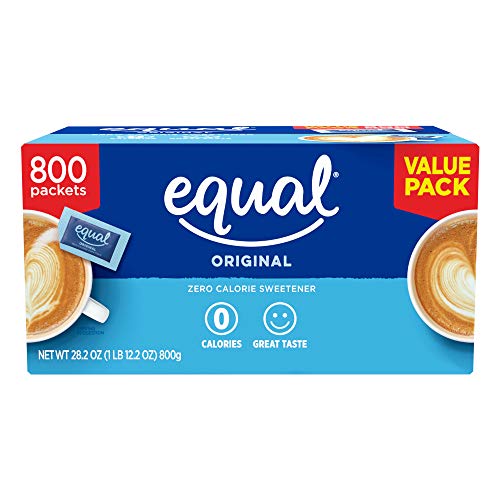
EQUAL 0 Calorie Sweetener, Aspartame and Acesulfame-K Sweetener Packets, Zero Calorie Sugar Alternative, Erythritol Free, 800 Ct (Pack of 1)
- Sweet Alternative: Deliciously sweet powdered sweetener
- Zero Calorie: Guilt-free, calorie-free sweetness
- Convenient Packets: Easy-to-use sweetener for beverages
As an affiliate, we earn on qualifying purchases.
As an affiliate, we earn on qualifying purchases.
Background on Artificial Sweeteners and Brain Health Research
Artificial sweeteners like aspartame, sucralose, and saccharin have been approved by regulatory agencies such as the FDA and EFSA, based on existing safety data. However, recent studies have begun to explore their broader health impacts beyond metabolic effects, including possible links to neurological health. Prior research has yielded mixed results, with some suggesting potential adverse effects on gut microbiota and metabolic regulation, but evidence directly connecting sweeteners to brain aging has been limited until now.
This new study builds on emerging concerns about the long-term safety of these additives, especially as consumption of sugar substitutes continues to rise globally. The findings arrive amid ongoing debates about the health implications of artificial sweeteners and calls for more transparent, independent research.
“‘Our data suggest that frequent consumption of certain artificial sweeteners may be linked to accelerated brain aging processes. However, more research is needed to understand the mechanisms involved.'”
— Dr. Emma Collins, lead researcher

Monk Fruit In The Raw, Sweetener Bag, 1 LB
- Zero Calorie Sweetener: All-natural monk fruit with zero calories
- Keto Certified & Vegan: Keto certified, Non-GMO, vegan, low glycemic
- Versatile Baking Substitute: Ideal for baking, beverages, and cooking
As an affiliate, we earn on qualifying purchases.
As an affiliate, we earn on qualifying purchases.
Unconfirmed Causation and Need for Further Research
It remains unclear whether artificial sweeteners directly cause faster brain aging or are merely associated with it. The study’s observational design cannot establish causality, and confounding factors such as overall diet, lifestyle, and genetic predispositions have not been fully controlled. Researchers emphasize that these findings are preliminary, and additional longitudinal and experimental studies are required to confirm causation and understand underlying mechanisms.
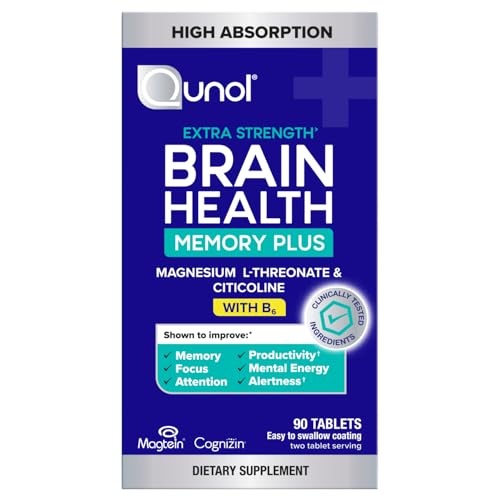
Qunol Brain Health Memory Plus w/Magtein, Cognizin & Vitamin B6, 90ct
- Enhances Memory and Cognitive Function: Contains Citicoline, Magnesium L-Threonate, B6
- Boosts Focus and Productivity: Supports mental energy and clarity
- Research-Backed High Absorption Formula: Provides comprehensive cognitive support
As an affiliate, we earn on qualifying purchases.
As an affiliate, we earn on qualifying purchases.
Further Studies and Regulatory Review Pending
Researchers plan to conduct more detailed, controlled studies to explore causality and biological pathways. Regulatory agencies may review current safety assessments of artificial sweeteners in light of these findings, potentially leading to updated guidelines. Consumers are advised to monitor emerging research and consider moderation in the use of artificial sweeteners until more definitive evidence is available.

Brain Memory Supplement Pills – 3X Strength Nootropics for Concentration, Clarity & Focus Support – Brain Health Cognitive Vitamins with Bacopa, Phosphatidylserine & DMAE, Brain Booster – 60 Capsules
- Brain Memory & Focus Support: Enhances clarity, focus, and alertness
- Powerful Nootropics: Includes Bacopa, Phosphatidylserine, DMAE
- Brain Health Vitamins: Contains B12 and Vitamin C for memory support
As an affiliate, we earn on qualifying purchases.
As an affiliate, we earn on qualifying purchases.
Key Questions
Are all artificial sweeteners linked to brain aging?
Current research suggests that certain sweeteners like aspartame, sucralose, and saccharin are associated with markers of faster brain aging, but more studies are needed to confirm if all artificial sweeteners have this effect.
Should I stop using artificial sweeteners now?
Experts recommend moderation and staying informed as further research develops. Consult healthcare providers for personalized advice, especially if you have concerns about cognitive health.
How reliable are these new findings?
The study is preliminary and observational, so it cannot establish causality. Further research, including clinical trials, is necessary to confirm these associations.
What are the potential health risks of artificial sweeteners besides brain aging?
Other studies have linked artificial sweeteners to gut microbiota changes, metabolic disturbances, and possible links to certain cancers, but evidence remains mixed and under review.
Will regulatory agencies take action based on this research?
Regulators may review existing safety data and consider new guidelines if further evidence confirms risks. No immediate regulatory changes have been announced yet.
Source: rss