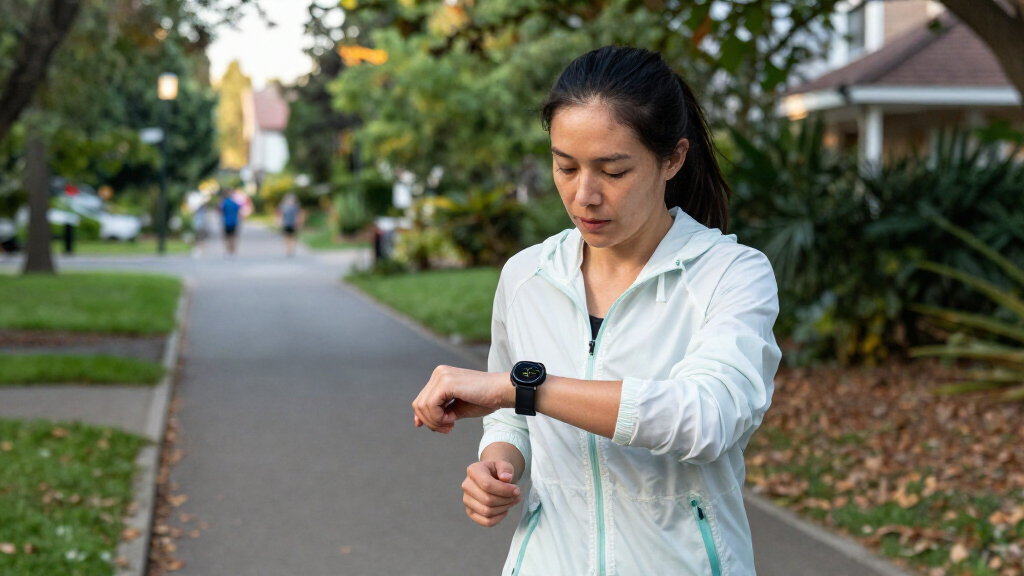
For fitness smartwatches for health tracking, I rank the Garmin vívoactive 5 as the best overall pick for its GPS and fitness-focused approach, while the Fitbit Versa 4 stands out for everyday activity tracking and the Apple Watch SE 3 for iPhone owners who want smartwatch features alongside health tools. The main tradeoffs are measurement depth, battery life, ease of use, and how much you depend on a particular phone ecosystem. Less expensive trackers may cover everyday heart-rate and sleep monitoring, but their readings and health claims should not be treated as medical assessments. Screen size, comfort, water resistance, and charging habits also affect whether a watch becomes part of your routine. Read on for the full breakdown and guidance on matching a watch to your priorities.

Get health and wellness essentials delivered free with Prime
- Fast, free delivery on millions of items
- Prime Video, Amazon Music and more included
- Member-only deals all year
Key Takeaways
- The Garmin vívoactive 5 ranks first because built-in GPS and a fitness-centered feature set offer a more rounded health-and-activity choice than the simpler tracker options.
- Fitbit Versa 4 is the strongest alternative for routine wellness tracking, while Apple Watch SE 3 makes more sense for iPhone users who value connected smartwatch functions.
- The two Apple Watch SE 3 sizes are a fit and display choice, not separate health-tracking tiers; choose by wrist comfort and screen preference.
- Several lower-cost listings emphasize many sport modes or health metrics, but mode counts and blood-pressure or oxygen claims alone do not establish measurement accuracy.
- Garmin’s Ivory and Black vívoactive 5 versions share the same model family; color preference, fit, phone compatibility, and charging tolerance matter more than the finish.
| FITVII Health and Fitness Tracker Smartwatch with Bluetooth Calling |  | Best for Broad Wellness Tracking on a Budget | Display: 1.85-inch LCD, 240 x 240 resolution | Health tracking: Heart rate, blood pressure, blood oxygen, and sleep | Sports modes: More than 120 | VIEW LATEST PRICE | See Our Full Breakdown |
| Garmin vívoactive 5 GPS Smartwatch, 42mm, Ivory |  | Best for Coaching-Led Health Tracking | Display: AMOLED touchscreen | Case size: 42 mm | Battery life: Up to 11 days in smartwatch mode; up to 5 days with display always on | VIEW LATEST PRICE | See Our Full Breakdown |
| Apple Watch SE 3 GPS 40mm Smartwatch |  | Best for iPhone Safety and Daily Health Insights | Case size: 40 mm | Connectivity: GPS; works with iPhone or Wi-Fi | Battery life: Up to 18 hours | VIEW LATEST PRICE | See Our Full Breakdown |
| aeac Smartwatch for Women with 1.32-Inch AMOLED Display, Health Tracking, Bluetooth Calling, and 110+ Sports Modes |  | Best Compact AMOLED Pick | Display: 1.32-inch AMOLED touchscreen | Watch face size: 43 mm | Health tracking: Heart rate, blood oxygen, stress, sleep, and cycle tracking | VIEW LATEST PRICE | See Our Full Breakdown |
| Fitness Tracker Watch with Heart Rate, Sleep Monitoring, and 9 Sport Modes |  | Best for Simple Essential Tracking | Display: Time display | Health tracking: Automatic all-day heart-rate monitoring and sleep stages | Sport modes: 9 | VIEW LATEST PRICE | See Our Full Breakdown |
| Bestinn H32 Pro Fitness Tracker Smartwatch with 1.58-Inch Display, Health and Sleep Monitoring, 120+ Sports Modes, and IP68 Water Resistance |  | Best for Broad Everyday Tracking | Display: 1.58 inches; always-on display | Health monitoring: Heart rate, blood pressure, blood oxygen, and sleep stages | Sports modes: 120+ | VIEW LATEST PRICE | See Our Full Breakdown |
| Apple Watch SE 3 GPS 44mm Smartwatch |  | Best for iPhone Health and Safety Features | Case size: 44 mm | Connectivity: GPS, iPhone, and Wi-Fi | Battery life: Up to 18 hours | VIEW LATEST PRICE | See Our Full Breakdown |
| MorePro Health Fitness Tracker Smartwatch with 24/7 Heart Rate Monitoring |  | Best for a Large Screen and Longer Stated Battery Life | Display: 1.85-inch LCD | Connectivity: Bluetooth 5.2 | Health metrics: Blood oxygen, blood pressure, heart rate, and sleep duration | VIEW LATEST PRICE | See Our Full Breakdown |
| D26E Fitness Tracker with Heart Rate, Blood Oxygen and Sleep Monitoring |  | Best Compact Everyday Tracker | Display: 1.47-inch full-color TFT touchscreen | Health monitoring: Heart rate, blood oxygen, and sleep stages | Activity tracking: Steps, calories, distance, speed, and multiple sports modes | VIEW LATEST PRICE | See Our Full Breakdown |
| Fitbit Versa 4 Fitness Smartwatch with GPS and Heart Rate Monitoring, Black/Graphite |  | Best for Phone-Free GPS Workouts | GPS: Built-in | Exercise modes: 40+ | Health tracking: Heart rate, SpO2, sleep, stress, and activity | VIEW LATEST PRICE | See Our Full Breakdown |
| Bakoor C60 Fitness Tracker with 1.1-Inch AMOLED Display |  | Best Compact Health-Tracking Pick | Display: 1.1-inch AMOLED touchscreen | Health tracking: Heart rate, sleep, breathing rate, HRV, and female health | Sports modes: 25 | VIEW LATEST PRICE | See Our Full Breakdown |
| MorePro Fitness Tracker with Heart Rate, Blood Pressure, Blood Oxygen and Sleep Tracking |  | Best for Broad Metric Coverage | Health metrics: Blood oxygen, blood pressure, heart rate, and sleep duration | Sport modes: 120+ | GPS: No GPS functionality | VIEW LATEST PRICE | See Our Full Breakdown |
| IDW20 Smartwatch with Alexa, Bluetooth Calling, 1.91-Inch HD Display, 100+ Sport Modes and IP68 Waterproofing |  | Best for Calls and Voice Control | Display: 1.91-inch HD LCD touchscreen | Health metrics: Heart rate, blood oxygen, sleep, and stress | Sport modes: 100+ | VIEW LATEST PRICE | See Our Full Breakdown |
| Garmin vívoactive 5 GPS Smartwatch, 42 mm, Black |  | Best for Structured Health and Training | Case size: 42 mm | Display: AMOLED touchscreen | GPS: Built-in | VIEW LATEST PRICE | See Our Full Breakdown |
| Amazfit Bip 6 Smartwatch with 1.97-Inch AMOLED Display and GPS |  | Best Long-Battery GPS Value | Display: 1.97-inch AMOLED | Case material: Aluminum | GPS: Built-in; supports BeiDou, GLONASS, GPS, and Galileo | VIEW LATEST PRICE | See Our Full Breakdown |
| fitness smartwatches for health tracking | Battery life | Water resistance | Display | GPS |
|---|---|---|---|---|
| FITVII Health and Fitness Trac | Up to 7 days; varies with use | IP67; water-resistant to 1 meter | 1.85-inch LCD, 240 x 240 resolution | — |
| Garmin vívoactive 5 GPS Smartw | Up to 11 days in smartwatch mode; up to 5 days with display always on | 50 meters | AMOLED touchscreen | Built-in GPS |
| Apple Watch SE 3 GPS 40mm Smar | Up to 18 hours | — | — | — |
| aeac Smartwatch for Women with | Up to 10 days | 3ATM | 1.32-inch AMOLED touchscreen | Via smartphone |
| Fitness Tracker Watch with Hea | 5–7 days of continuous use | IP68; listed water-resistance depth of 1 meter | Time display | — |
| Bestinn H32 Pro Fitness Tracke | — | IP68 | 1.58 inches; always-on display | Uses connected phone GPS |
| Apple Watch SE 3 GPS 44mm Smar | Up to 18 hours | — | — | — |
| MorePro Health Fitness Tracker | Up to 7 days; about 20 days standby | IP67; not suitable for diving or surfing | 1.85-inch LCD | None |
| D26E Fitness Tracker with Hear | — | 50 meters | 1.47-inch full-color TFT touchscreen | Via smartphone |
| Fitbit Versa 4 Fitness Smartwa | Up to 6+ days | 50 meters | — | Built-in |
| Bakoor C60 Fitness Tracker wit | Up to 7 days | IP68 | 1.1-inch AMOLED touchscreen | Connected GPS |
| MorePro Fitness Tracker with H | Up to 7 days normal use; up to 15 days standby | IP68; listed depth of 1.5 meters | — | No GPS functionality |
| IDW20 Smartwatch with Alexa | 7–30 days | IP68; listed depth of 15 meters | 1.91-inch HD LCD touchscreen | Via connected smartphone |
| Garmin vívoactive 5 GPS Smartw | Up to 11 days in smartwatch mode | — | AMOLED touchscreen | Built-in |
| Amazfit Bip 6 Smartwatch with | Up to 14 days | 50 meters | 1.97-inch AMOLED | Built-in; supports BeiDou, GLONASS, GPS, and Galileo |
More Details on Our Top Picks
FITVII Health and Fitness Tracker Smartwatch with Bluetooth Calling
The FITVII is a feature-heavy choice for shoppers who want health and activity tracking plus everyday conveniences on one wrist. It covers heart rate, blood pressure, blood oxygen, sleep, and daily movement, then adds more than 120 sports modes, breathing guidance, hydration reminders, and Bluetooth calling. Compared with the Garmin vívoactive 5, it offers a wider stated sport-mode count and calling, while Garmin provides built-in GPS and a more developed set of coaching features. The FITVII’s up to seven-day battery life also suits people who prefer fewer charging stops. Its limits matter: health readings are for general wellness, not medical decisions, and IP67 protection is not meant for surfing or diving. The 1.85-inch LCD prioritizes screen area over the sharper AMOLED display found on some alternatives.
Pros:- Tracks heart rate, blood pressure, blood oxygen, sleep, and daily activity.
- More than 120 sports modes, plus guided breathing and practical reminders.
- Bluetooth calling and music and camera controls add phone conveniences.
- Up to seven days of battery life and IP67 water resistance.
Cons:- Health measurements are intended for general wellness, not medical use.
- IP67 protection is unsuitable for diving or surfing.
- GPS is listed, but the supplied details do not clarify its tracking capabilities.
Best for: Shoppers who want a broad mix of everyday wellness readings, many activity modes, reminders, and Bluetooth calls without relying on a premium sports-watch feature set.
Not ideal for: Swimmers who need deeper water protection, anyone seeking medical-grade measurements, or runners who want built-in GPS data without a phone.
- Display:1.85-inch LCD, 240 x 240 resolution
- Health tracking:Heart rate, blood pressure, blood oxygen, and sleep
- Sports modes:More than 120
- Battery life:Up to 7 days; varies with use
- Water resistance:IP67; water-resistant to 1 meter
- Connectivity:Bluetooth 5.0; Bluetooth calling
- Compatibility:Android 7 or later; iOS 13.0 or later
- Wrist size:5.71–8.86 inches
Our verdict“Choose the FITVII for a broad set of wellness features and calls, but pick the Garmin vívoactive 5 if built-in GPS and coaching matter more.”
Garmin vívoactive 5 GPS Smartwatch, 42mm, Ivory
The vívoactive 5 earns its place for buyers who want health data tied to sleep coaching and fitness routines, rather than a long list of lifestyle extras. Its built-in GPS and more than 30 indoor and GPS sports apps help track outdoor sessions without a phone, while sleep coaching, nap detection, and stress tracking give daily health patterns more context. Compared with the FITVII Health and Fitness Tracker, Garmin offers a more clearly specified GPS setup and coaching-led tools, though FITVII lists far more sports modes and Bluetooth calling. The AMOLED touchscreen is vivid, and battery life can reach 11 days with the display settings kept modest. That figure falls to up to five days with always-on display enabled. Health metrics remain estimates, and the smaller app selection may matter to shoppers focused on phone-style conveniences.
Pros:- Built-in GPS and more than 30 indoor and GPS sports apps.
- Sleep coaching, nap detection, and personalized health insights.
- AMOLED touchscreen with up to 11 days of battery life in smartwatch mode.
- Supports wheelchair activity tracking and music storage.
Cons:- Always-on display use reduces stated battery life to up to five days.
- Health metrics are estimates rather than exact measurements.
- The listed features do not include Bluetooth calling.
Best for: Fitness-minded users who want built-in GPS, sleep and stress insights, and coaching features in a smartwatch that can go several days between charges.
Not ideal for: People who prioritize Bluetooth calling from the watch, a very large collection of activity modes, or always-on display with the longest possible battery life.
- Display:AMOLED touchscreen
- Case size:42 mm
- Battery life:Up to 11 days in smartwatch mode; up to 5 days with display always on
- GPS:Built-in GPS
- Water resistance:50 meters
- Sports apps:More than 30 indoor and GPS sports apps
- Health tracking:Heart rate, sleep, stress, hydration, and calories burned
- Additional features:Music storage, Garmin Pay, smart notifications, touchscreen, and buttons
Our verdict“Pick the vívoactive 5 for GPS and coaching-led health tracking; choose the FITVII if calling and a higher count of sports modes are stronger priorities.”
Apple Watch SE 3 GPS 40mm Smartwatch
For iPhone owners, the Apple Watch SE 3 combines workout and sleep tracking with safety features that the other watches here do not list, including hard-fall and severe-car-crash detection. Temperature-related health insights add another layer to its daily tracking, while GPS supports outdoor workouts and connected phone functions. Compared with the Garmin vívoactive 5, this Apple model puts more emphasis on iPhone-connected calls, texts, and safety alerts; Garmin is the stronger fit for longer battery life and coaching-led sleep features. The main compromise is substantial for health tracking: up to 18 hours of battery life means many users will need a daily charging routine. Fast charging can add up to eight hours of battery in 15 minutes, but it does not match the vívoactive 5’s multi-day endurance. Some health and safety functions may also require setup or availability.
Pros:- Tracks workouts, sleep, daily activity, and temperature-related health insights.
- Hard-fall and severe-car-crash detection can support emergency response.
- Works with iPhone or Wi-Fi for calls, texts, music, and notifications.
- Fast charging can add up to eight hours of battery in 15 minutes.
Cons:- Up to 18 hours of battery life calls for frequent charging.
- Requires an iPhone or Wi-Fi for connectivity.
- Some health and safety features may depend on availability or setup.
Best for: iPhone users who want workout, sleep, and temperature-related insights alongside connected communication and fall or crash detection.
Not ideal for: Android users, people who want multi-day battery life, or anyone who needs health and safety features without checking setup and availability requirements.
- Case size:40 mm
- Connectivity:GPS; works with iPhone or Wi-Fi
- Battery life:Up to 18 hours
- Fast charging:Up to 8 hours of battery in 15 minutes
- Health tracking:Workouts, sleep, daily activity, and temperature-related health insights
- Safety features:Hard-fall and severe-car-crash detection
- Model:MJKR4LW/A
Our verdict“Choose the SE 3 if you use an iPhone and value safety features, but favor the Garmin vívoactive 5 if longer battery life and coaching are higher priorities.”
aeac Smartwatch for Women with 1.32-Inch AMOLED Display, Health Tracking, Bluetooth Calling, and 110+ Sports Modes
The aeac stands out for shoppers who prefer a smaller AMOLED screen and a style-forward rose-gold finish without giving up core wellness tracking. Heart rate, blood oxygen, stress, sleep, and cycle tracking cover a useful range of daily health signals, while Bluetooth calling and voice control add convenience. Its 110-plus sports modes make it more activity-focused than the basic nine-mode Fitness Tracker Watch, and its stated battery life reaches up to 10 days. The tradeoff is GPS: it relies on a connected smartphone, unlike the Garmin vívoactive 5, which has built-in GPS for phone-free route tracking. The listed 3ATM rating is suited to limited water exposure, but the buyer should not treat the depth figure as a promise that it is fit for every water sport. Compatibility also has minimum operating-system requirements.
Pros:- Tracks heart rate, blood oxygen, stress, sleep, and cycle data.
- AMOLED touchscreen with customizable watch faces and photo personalization.
- Bluetooth calling and voice control support everyday phone tasks.
- More than 110 sports modes and up to 10 days of stated battery life.
Cons:- GPS requires a connected smartphone.
- Compatibility starts at Android 6.0 or iOS 9.0.
- The supplied water-resistance details do not establish suitability for demanding water sports.
Best for: Buyers seeking a compact-looking AMOLED watch with cycle tracking, Bluetooth calls, and a broad selection of workout modes, who usually carry their phone during GPS activities.
Not ideal for: Runners who want phone-free GPS, shoppers who need broad compatibility with older phones, or people seeking a watch specified for demanding water activities.
- Display:1.32-inch AMOLED touchscreen
- Watch face size:43 mm
- Health tracking:Heart rate, blood oxygen, stress, sleep, and cycle tracking
- Sports modes:More than 110
- Battery life:Up to 10 days
- GPS:Via smartphone
- Water resistance:3ATM
- Compatibility:Android 6.0+ and iOS 9.0+
Our verdict“Choose the aeac for a compact AMOLED design and cycle tracking, but pick the Garmin vívoactive 5 for built-in GPS and stronger coaching features.”
Fitness Tracker Watch with Heart Rate, Sleep Monitoring, and 9 Sport Modes
This tracker is the simplest fit in the group for buyers who want heart-rate, sleep, and daily activity basics without paying attention to a large menu of workout modes or calling features. It records sleep stages, steps, calories, distance, and active time, with nine sport modes and useful reminders. The button controls and ability to show the time without a phone connection keep the core watch functions straightforward. Compared with the FITVII Health and Fitness Tracker, it has fewer health measurements and modes, but its simpler feature set may suit someone who wants fewer extras to manage. Its IP68 rating and advertised five-to-seven-day battery life are practical strengths. However, GPS and notifications depend on a compatible phone, and it cannot make calls or send texts. Manual heart-rate settings and step goals also require the app.
Pros:- Tracks heart rate, sleep stages, steps, calories, distance, and active time.
- Includes nine sport modes, breathing guidance, alarms, and sedentary reminders.
- IP68 water resistance and an advertised five-to-seven-day battery life.
- Can display the time without a phone connection.
Cons:- Cannot make calls or send texts.
- GPS and notifications require a compatible smartphone.
- Manual heart-rate mode and step-goal settings depend on the app.
Best for: First-time tracker buyers who mainly want heart-rate and sleep monitoring, basic activity records, and reminders rather than a full smartwatch experience.
Not ideal for: People who want Bluetooth calls, many workout modes, independent GPS tracking, or extensive health measurements such as blood oxygen and blood pressure.
- Display:Time display
- Health tracking:Automatic all-day heart-rate monitoring and sleep stages
- Sport modes:9
- Activity tracking:Steps, calories burned, walking distance, and active time
- Battery life:5–7 days of continuous use
- Water resistance:IP68; listed water-resistance depth of 1 meter
- Connectivity:Bluetooth 4.0 or above; notifications when paired with a smartphone
- Compatibility:Android 4.0 or above and iOS 8.0 or above
Our verdict“Choose this tracker for straightforward health and activity basics, but pick the FITVII if you want more health measurements, workout modes, and Bluetooth calling.”
Bestinn H32 Pro Fitness Tracker Smartwatch with 1.58-Inch Display, Health and Sleep Monitoring, 120+ Sports Modes, and IP68 Water Resistance
The Bestinn H32 Pro pairs heart-rate, blood-oxygen, blood-pressure, and sleep-stage tracking with 120+ sports modes, making it a feature-rich pick for people who want health and activity summaries in one place. Its 1.58-inch always-on display is easier to glance at than the smaller screen on the D26E, while the washable, replaceable strap suits regular wear. The tradeoff is that its GPS relies on a connected phone, unlike the Fitbit Versa 4’s built-in GPS, so it is less convenient for route tracking without carrying a phone. Its listed health measurements are useful for general tracking, not a substitute for medical assessment. This watch fits buyers prioritizing a broad feature set over independent GPS or a more established workout ecosystem.
Pros:- Tracks heart rate, blood pressure, blood oxygen, and sleep stages.
- Offers more than 120 sports modes alongside step, distance, and calorie tracking.
- 1.58-inch display includes an always-on clock.
- Replaceable, washable strap and more than 250 watch faces.
Cons:- GPS route tracking depends on a connected phone, unlike the Fitbit Versa 4’s built-in GPS.
- The listed Android and iOS minimum versions are older compatibility thresholds, so buyers should confirm their device works with the companion app.
Best for: Everyday fitness trackers who want sleep and several health metrics, many activity modes, and a larger always-on display.
Not ideal for: Runners who want to record routes without carrying a phone, or buyers seeking medical-grade readings.
- Display:1.58 inches; always-on display
- Health monitoring:Heart rate, blood pressure, blood oxygen, and sleep stages
- Sports modes:120+
- Activity tracking:Steps, distance, and calories
- Water resistance:IP68
- GPS:Uses connected phone GPS
- Compatibility:Android 4.4 or later; iOS 8.4 or later
- Strap:Replaceable and washable
Our verdict“Choose the H32 Pro if you value a large always-on screen and broad everyday health tracking more than phone-free GPS.”
Apple Watch SE 3 GPS 44mm Smartwatch
For iPhone owners who want health tracking tied to practical safety tools, the Apple Watch SE 3 has a different emphasis from the metric-heavy Bestinn H32 Pro. Its temperature sensing, sleep score, and sleep apnea notifications add health context, while hard-fall and severe-car-crash detection can help connect users to emergency services. Workout metrics and GPS support make it more suited to structured exercise than watches that depend on a phone for route tracking. The main compromise is battery endurance: up to 18 hours means most buyers should expect frequent charging, even with fast charging available. It also requires an iPhone or Wi-Fi for connectivity, so Android users should skip it. This is a stronger fit for connected Apple users than for anyone seeking multi-day tracking between charges.
Pros:- Tracks workouts and provides real-time workout metrics.
- Includes temperature sensing, sleep score, and sleep apnea notifications.
- Hard-fall and severe-car-crash detection can connect with emergency services and contacts.
- Fast charging can add up to eight hours of battery in 15 minutes.
Cons:- Up to 18 hours of battery life calls for frequent charging compared with the Fitbit Versa 4’s stated multi-day endurance.
- Connectivity depends on an iPhone or Wi-Fi, limiting its appeal to Android owners.
Best for: iPhone owners who want sleep and workout insights alongside fall and crash detection in a connected smartwatch.
Not ideal for: Android users or people who want multi-day battery life and fewer charging interruptions.
- Case size:44 mm
- Connectivity:GPS, iPhone, and Wi-Fi
- Battery life:Up to 18 hours
- Fast charging:Up to 8 hours of battery in 15 minutes
- Health features:Temperature sensing, sleep score, sleep apnea notifications, and Cycle Tracking
- Safety features:Hard-fall and severe-car-crash detection with emergency connection and contact notifications
- Model number:MJL94LW/A
Our verdict“Pick the Apple Watch SE 3 if you use an iPhone and prioritize safety alerts and connected health features over long battery life.”
MorePro Health Fitness Tracker Smartwatch with 24/7 Heart Rate Monitoring
The MorePro Health Fitness Tracker stands out for a 1.85-inch LCD that gives health summaries and notifications plenty of room, plus stated battery life of up to seven days. Heart rate, blood pressure, blood oxygen, sleep duration, and 120+ sports modes make it a broad tracker for daily routines. Compared with the Bestinn H32 Pro, its screen is larger and its listed compatibility starts at newer phone software versions; compared with the Fitbit Versa 4, it lacks built-in GPS. It also carries an explicit limitation: health readings are not intended for medical use, and IP67 resistance is not for diving or surfing. Buyers who want calls, reminders, and long intervals between charges may prefer it, while route-focused athletes should look elsewhere.
Pros:- Large 1.85-inch LCD makes notifications and tracking summaries easier to read.
- Tracks heart rate, blood pressure, blood oxygen, sleep, and more than 120 sports modes.
- Supports Bluetooth calls, message notifications, and everyday reminders.
- Lists up to seven days of battery life and about 20 days of standby time.
Cons:- No GPS; unlike the Fitbit Versa 4, it cannot record routes independently.
- IP67 resistance is not suitable for diving or surfing.
- Health measurements are not intended for medical use.
Best for: People who want a large watch display, broad everyday tracking, Bluetooth calling, and a stated battery life of up to seven days.
Not ideal for: Outdoor athletes who need built-in GPS, or swimmers and water-sport users who need protection for diving or surfing.
- Display:1.85-inch LCD
- Connectivity:Bluetooth 5.2
- Health metrics:Blood oxygen, blood pressure, heart rate, and sleep duration
- Sports modes:120+
- GPS:None
- Water resistance:IP67; not suitable for diving or surfing
- Battery life:Up to 7 days; about 20 days standby
- Compatibility:Android 7.0 or later; iOS 13.0 or later
Our verdict“Choose MorePro for a large display and broad daily tracking, but not if independent route recording or water-sport use matters.”
D26E Fitness Tracker with Heart Rate, Blood Oxygen and Sleep Monitoring
The D26E is the smaller-screen alternative for buyers who want core health and activity records without the MorePro’s broader 1.85-inch face. Its 1.47-inch color touchscreen tracks heart rate, blood oxygen, sleep stages, steps, calories, and distance, while phone-linked GPS adds route tracking when a smartphone is along. The mix of music and camera controls, weather, and menstrual-cycle tracking makes it useful as an everyday companion, not just a workout counter. Compared with the Fitbit Versa 4, the D26E has a wider set of listed phone tools but lacks built-in GPS; route recording depends on the phone. Its listed 50-meter water resistance is a useful advantage for swimming, though it does not change that GPS limitation. Choose it for compactness and practical extras, not standalone training data.
Pros:- Compact 1.47-inch color touchscreen with customizable watch faces.
- Tracks heart rate, blood oxygen, sleep stages, and everyday activity.
- Includes phone locator, music and camera controls, weather, and menstrual-cycle tracking.
- Listed water resistance is 50 meters.
Cons:- GPS depends on a connected phone, unlike the Fitbit Versa 4’s built-in GPS.
- Phone compatibility starts at iOS 9.0 and Android 4.4, so owners of newer devices should check companion-app support.
Best for: Buyers who prefer a compact touchscreen tracker with sleep-stage tracking, phone-linked GPS, and useful phone controls.
Not ideal for: Runners who leave their phone behind or buyers seeking built-in GPS and a more self-contained workout watch.
- Display:1.47-inch full-color TFT touchscreen
- Health monitoring:Heart rate, blood oxygen, and sleep stages
- Activity tracking:Steps, calories, distance, speed, and multiple sports modes
- GPS:Via smartphone
- Water resistance:50 meters
- Compatibility:iOS 9.0 or later; Android 4.4 or later
- Connectivity:Bluetooth
- Watch faces:Over 200 through the GloryFit app
Our verdict“Choose the D26E if you want a compact, feature-packed daily tracker and are comfortable carrying your phone for GPS routes.”
Fitbit Versa 4 Fitness Smartwatch with GPS and Heart Rate Monitoring, Black/Graphite
The Fitbit Versa 4 earns its place for buyers who want route data without bringing a phone: its built-in GPS separates it from the phone-dependent Bestinn H32 Pro and D26E. It also covers the health basics that matter between workouts, including heart rate, sleep, stress, SpO2, and activity, with more than 40 exercise modes. That is fewer listed modes than those two trackers offer, but built-in GPS and up to six-plus days of stated battery life make the Versa 4 a more practical choice for regular outdoor training. The tradeoff is that some content and features require a Premium membership or may vary by location, and SpO2 tracking can increase charging needs. Choose it for independent workout tracking and everyday health trends, not for the broadest sports-mode count.
Pros:- Built-in GPS records routes without requiring a phone connection.
- Tracks heart rate, blood oxygen, sleep, stress, and activity.
- Offers more than 40 exercise modes and water resistance to 50 meters.
- Lists up to six-plus days of battery life and includes small and large bands.
Cons:- Some features and content require Premium membership or may vary by location.
- SpO2 tracking can require more frequent charging.
- Its 40+ exercise modes are fewer than the 120+ listed for the Bestinn H32 Pro and MorePro tracker.
Best for: Outdoor exercisers who want built-in GPS, health and sleep tracking, and several days of stated battery life.
Not ideal for: Buyers who want 120+ listed sports modes, or who prefer not to rely on membership-dependent features.
- GPS:Built-in
- Exercise modes:40+
- Health tracking:Heart rate, SpO2, sleep, stress, and activity
- Water resistance:50 meters
- Battery life:Up to 6+ days
- Connectivity:Bluetooth
- Band fit:Small: wrists 5.1–7 inches; large: wrists 6.5–8.6 inches
- Included membership:3-month Google Health Premium membership
Our verdict“Pick the Versa 4 if phone-free GPS and multi-day stated battery life matter more than an extensive sports-mode list.”
Bakoor C60 Fitness Tracker with 1.1-Inch AMOLED Display
The Bakoor C60 is the compact choice here for buyers who want everyday health snapshots without a large watch face. Its 1.1-inch AMOLED display sits alongside heart-rate, sleep, breathing-rate, and HRV tracking, giving it a broader health-monitoring mix than a basic step counter. Connected GPS and 25 sports modes add route tracking, but the phone must be with you; the Amazfit Bip 6 has built-in GPS and is better for workouts away from a handset. The C60 also offers female health tracking and up to seven days of battery life. Its main limits are the small screen, smartphone-dependent routes, and the fact that its sleep readings are for reference, not medical guidance. I’d choose it for a compact daily tracker, not for standalone training navigation.
Pros:- Tracks heart rate, sleep, breathing rate, and HRV.
- Compact 1.1-inch AMOLED touchscreen.
- 25 sports modes with connected GPS route tracking.
- IP68 rating and up to seven days of battery life.
Cons:- GPS routes require a paired smartphone.
- Sleep data is for reference and is not a substitute for medical advice.
- The small display gives less room for workout details and notifications.
Best for: Buyers who want a small, lightweight-feeling tracker for daily heart-rate and sleep trends, and usually carry their phone on walks or runs.
Not ideal for: Runners who want phone-free GPS routes or people who need a large display for reading workout and notification details.
- Display:1.1-inch AMOLED touchscreen
- Health tracking:Heart rate, sleep, breathing rate, HRV, and female health
- Sports modes:25
- GPS:Connected GPS
- Water resistance:IP68
- Battery life:Up to 7 days
- Compatibility:Android 5.0 or later; iOS 9.0 or later
Our verdict“Choose the Bakoor C60 if you want compact daily health tracking and can accept phone-dependent GPS and a small screen.”
MorePro Fitness Tracker with Heart Rate, Blood Pressure, Blood Oxygen and Sleep Tracking
The MorePro Fitness Tracker aims to put a wide set of health readings and activity profiles on the wrist: heart rate, blood oxygen, blood pressure, sleep duration, menstrual cycle tracking, and 120-plus sport modes. That breadth makes it a fit for buyers who like to compare several kinds of wellness data, rather than focus on route-based training. Unlike the Garmin vívoactive 5 or Amazfit Bip 6, it has no GPS, so outdoor distance and route records depend on other devices or estimates. Its health features are also explicitly not for medical use, a key limit when interpreting blood-pressure readings. The seven-day battery claim and IP68 design suit regular everyday wear, but this is better treated as a broad tracking companion than a training watch with advanced navigation.
Pros:- Tracks heart rate, blood oxygen, blood pressure, and sleep duration.
- More than 120 sport modes and menstrual cycle tracking.
- IP68 water resistance for everyday exposure to sweat and rain.
- Up to seven days of normal-use battery life.
Cons:- No GPS functionality for route tracking.
- Health readings are not intended for medical use.
- Requires Android 7.0 or later or iOS 13.0 or later.
Best for: People who want a wide selection of sport profiles plus routine heart-rate, sleep, blood-oxygen, and cycle tracking, and do not need GPS routes.
Not ideal for: Outdoor runners and cyclists who want route maps or GPS-based distance without carrying a phone, or anyone seeking medical-grade measurements.
- Health metrics:Blood oxygen, blood pressure, heart rate, and sleep duration
- Sport modes:120+
- GPS:No GPS functionality
- Water resistance:IP68; listed depth of 1.5 meters
- Battery life:Up to 7 days normal use; up to 15 days standby
- Charging time:About 2 hours
- Compatibility:Android 7.0 and later; iOS 13.0 and later
Our verdict“Pick MorePro for varied wellness metrics and workout modes, but choose the Garmin vívoactive 5 or Amazfit Bip 6 if built-in GPS matters.”
IDW20 Smartwatch with Alexa, Bluetooth Calling, 1.91-Inch HD Display, 100+ Sport Modes and IP68 Waterproofing
The IDW20 is the most phone-like option among these budget-oriented trackers, pairing a large 1.91-inch screen with Bluetooth calling, Amazon Alexa, and notifications. For health tracking, it covers heart rate, blood oxygen, sleep, and stress, while more than 100 sport modes add activity choice. That makes it more useful as an everyday smartwatch than the smaller Bakoor C60, especially for reading alerts or handling calls from the wrist. The tradeoff is that its GPS works through a connected smartphone, unlike the built-in GPS on the Garmin vívoactive 5 and Amazfit Bip 6. Health readings are non-medical, and SMS sending is not supported, so calling and notifications should not be confused with full phone control. I’d favor it for convenience features over independent fitness tracking.
Pros:- Large 1.91-inch HD touchscreen with a rotating crown.
- Bluetooth calling and Amazon Alexa voice control.
- Tracks heart rate, blood oxygen, sleep, and stress.
- More than 100 sport modes and IP68 water resistance.
Cons:- GPS relies on a connected smartphone.
- SMS sending is not supported.
- Health monitoring is specified for non-medical use.
Best for: Buyers who want a large display, wrist-based Bluetooth calls, Alexa access, and broad activity tracking in one everyday watch.
Not ideal for: Runners who want to leave their phone behind for GPS tracking, or buyers who need medical-grade health readings or SMS replies.
- Display:1.91-inch HD LCD touchscreen
- Health metrics:Heart rate, blood oxygen, sleep, and stress
- Sport modes:100+
- GPS:Via connected smartphone
- Water resistance:IP68; listed depth of 15 meters
- Battery capacity:350 mAh
- Battery life:7–30 days
- Compatibility:Android 6.0+; iOS 9.0+
Our verdict“Choose the IDW20 for calls, Alexa, and a roomy screen; choose the Amazfit Bip 6 or Garmin vívoactive 5 for standalone GPS workouts.”
Garmin vívoactive 5 GPS Smartwatch, 42 mm, Black
The Garmin vívoactive 5 earns its place for buyers who want health tracking joined to independent GPS and more guided training tools. Its built-in GPS avoids the phone dependency of the Bakoor C60 and IDW20, while HRV status, stress tracking, sleep coaching, and nap detection offer more context than a simple daily heart-rate log. More than 30 sports apps and adaptive training features make it a stronger fit for planned activity than the MorePro tracker, whose advantage is its much larger mode count. The vívoactive 5 also brings an AMOLED display, music storage, and Garmin Pay, with up to 11 days in smartwatch mode. The tradeoff is that health metrics remain estimates, and some smart features rely on a paired phone or compatible services.
Pros:- Built-in GPS for workouts without smartphone-based route tracking.
- HRV status, sleep coaching, nap detection, and stress tracking.
- More than 30 sports apps with adaptive training features.
- Up to 11 days of battery life in smartwatch mode.
Cons:- Health metrics are estimates rather than exact medical measurements.
- Some music and notification features depend on compatible services or a paired smartphone.
Best for: Active users who want built-in GPS, sleep and recovery context, and structured workout options without charging every day.
Not ideal for: Buyers who mainly want the highest number of sport modes or who expect wrist health estimates to function as medical measurements.
- Case size:42 mm
- Display:AMOLED touchscreen
- GPS:Built-in
- Sports apps:More than 30
- Health features:Wrist-based heart rate, sleep coaching, nap detection, stress tracking, HRV status, menstrual cycle and pregnancy tracking
- Battery life:Up to 11 days in smartwatch mode
- Connectivity:Bluetooth, USB, and Wi-Fi
- Smart features:Notifications, music storage, and Garmin Pay
Our verdict“Choose the vívoactive 5 for a balanced mix of health context, training tools, and built-in GPS rather than the biggest sport-mode count.”
Amazfit Bip 6 Smartwatch with 1.97-Inch AMOLED Display and GPS
The Amazfit Bip 6 brings together the features that matter most to a phone-free outdoor workout: built-in multi-system GPS, downloadable maps, and turn-by-turn directions. Its 1.97-inch AMOLED screen also gives workout metrics and health summaries more room than the Garmin vívoactive 5’s 42 mm case, while its 140-plus workout modes outnumber Garmin’s listed sports apps. For ongoing health tracking, it covers heart rate, blood oxygen, breathing rate, sleep, and stress, with AI coaching adding another layer of exercise guidance. The stated up-to-14-day battery life and 50-meter water resistance suit frequent wear. Compared with the IDW20, it offers independent GPS rather than phone-linked routes; the tradeoff is that compatibility starts at newer phone operating-system versions.
Pros:- Built-in GPS supports multiple satellite systems, downloadable maps, and turn-by-turn directions.
- Tracks heart rate, blood oxygen, breathing rate, sleep, and stress.
- More than 140 workout modes with AI coaching.
- Up to 14 days of battery life and 50-meter water resistance.
Cons:- Requires Android 7.0+ or iOS 14.0+.
- The 1.97-inch display may feel large on smaller wrists.
Best for: Outdoor exercisers who want built-in GPS, maps, a large readable display, and frequent health tracking without daily charging.
Not ideal for: People using older phones below Android 7.0 or iOS 14.0, or buyers who prefer a smaller watch face.
- Display:1.97-inch AMOLED
- Case material:Aluminum
- GPS:Built-in; supports BeiDou, GLONASS, GPS, and Galileo
- Workout modes:140+
- Health metrics:Blood oxygen, breathing rate, calories burned, heart rate, sleep, and stress
- Battery life:Up to 14 days
- Water resistance:50 meters
- Compatibility:Android 7.0+; iOS 14.0+
Our verdict“Choose the Bip 6 if you want a large-screen health tracker with standalone GPS and long battery life; consider the vívoactive 5 for a smaller-format alternative.”
How We Picked
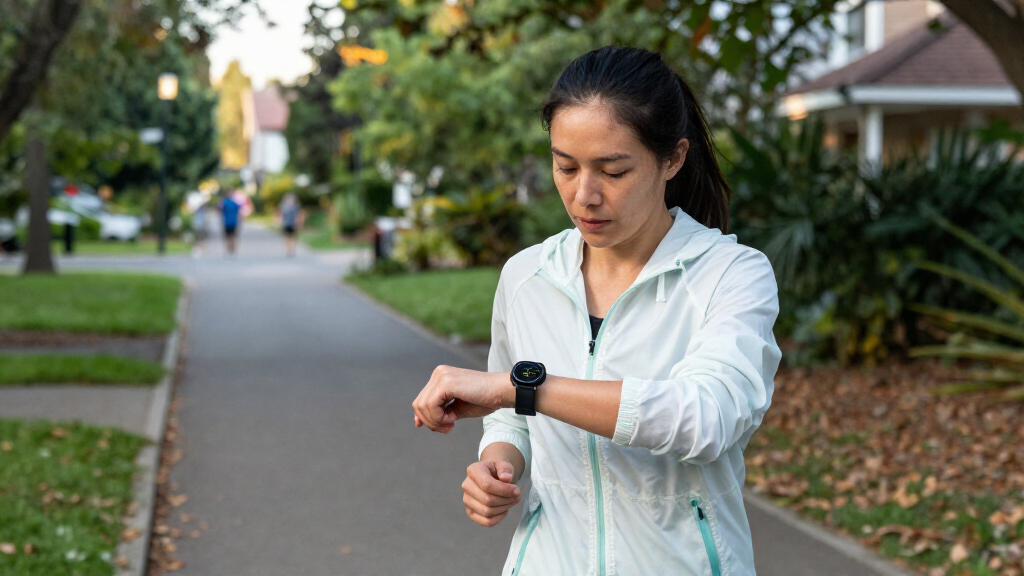
I compared the 15 listings by how well their stated features support everyday health tracking: heart-rate and sleep monitoring, activity recording, GPS availability, display usability, water-resistance claims, and the practical information provided about the device. I also weighed phone compatibility and the likely learning curve, since a watch that is awkward to pair or interpret can be less useful than one with fewer headline features. I treated claims such as blood pressure and blood oxygen as features to verify rather than proof of clinical accuracy.
The ranking favors watches with a clearer fitness-and-health use case and more useful activity features, followed by options that trade advanced functionality for a simpler or more accessible experience. The Garmin vívoactive 5 leads for its GPS-focused fitness profile; Fitbit Versa 4 and Apple Watch SE 3 serve distinct everyday and ecosystem needs. The two Apple sizes and two Garmin color versions are grouped as close variants, while the less-documented tracker listings rank lower because their feature counts give less information about measurement quality, software support, or long-term usability.
Factors to Consider When Choosing Fitness Smartwatches For Health Tracking
Choosing a health-tracking watch is less about collecting the most numbers and more about getting information you can interpret and use. I’d start with your phone, daily activities, and tolerance for charging before comparing sensor lists.
Match the Watch to Your Phone
Check compatibility before comparing health features, because phone pairing can shape notifications, setup, and access to companion apps. Apple Watch SE 3 is most compelling for people already using an iPhone, while Garmin and Fitbit offer different app experiences that should be checked against your device. A watch that supports Bluetooth calling may still depend on its paired phone for connectivity and setup. Confirm which features work without the phone nearby, especially GPS, music controls, and notifications. Avoid assuming that a similar-looking watch will provide the same app support across operating systems. The best match is the one that can sync reliably with the phone you plan to keep using.
Separate Wellness Estimates From Medical Measurements
Heart rate, sleep, and blood oxygen readings can help you notice patterns, but consumer watches are not substitutes for medical devices or professional advice. Be especially careful with product listings that advertise blood pressure tracking without explaining how it is measured or validated. A large number of health metrics does not automatically mean more reliable insight. Look for clear explanations of what each reading represents, when measurements are taken, and whether trends are available in the app. If you need tracking for a diagnosed condition, ask a healthcare professional which devices are suitable. Choose a watch for general awareness unless its capabilities and limits have been independently established for your specific need.
Decide Whether Built-In GPS Matters
Built-in GPS is useful for recording outdoor routes and pace without carrying a phone, which is why it adds practical value to the Garmin vívoactive 5 and Fitbit Versa 4. If you usually exercise indoors or bring your phone on every walk, GPS may matter less than comfort, battery routine, or simple activity tracking. Check whether a listing says built-in GPS or relies on connected GPS through a phone; those approaches are not interchangeable. GPS use can also drain a battery faster, so consider how often you will record outdoor sessions. Do not pay extra for route tracking if you are unlikely to use it. For runners and cyclists who leave their phones behind, standalone GPS is a stronger priority.
Prioritize Comfort and Screen Readability
A watch can only collect consistent data when you are willing to wear it, including overnight if sleep trends matter to you. Compare case dimensions and strap fit with your wrist rather than choosing by display size alone. The 40mm and 44mm Apple Watch SE 3 options illustrate the tradeoff: a smaller case may feel less obtrusive, while a larger screen can make menus and readings easier to view. Bright AMOLED displays can improve readability, but screen size and brightness may affect battery use. Check whether the strap can be adjusted or replaced and whether the watch feels comfortable during sleep and workouts. A secure, comfortable fit also helps reduce gaps in sensor readings.
Set a Realistic Charging and Data Routine
Frequent charging can interrupt sleep tracking and make a watch harder to wear consistently, so check battery information from the manufacturer before choosing. GPS sessions, always-on displays, calls, and frequent notifications can change how long a device lasts between charges. Consider whether you prefer a watch that needs regular charging but offers more connected features or a simpler tracker with fewer demands. Also check whether core health history is available without a paid app plan and how easy it is to export or review your data. Before buying, decide which measurements you will actually check each week. A smaller set of consistent, understandable trends can be more useful than a crowded dashboard.
Treat Sport-Mode Counts as a Starting Point
Listings with 100 or more sport modes can sound versatile, but the count does not explain whether a mode records meaningful metrics or simply labels a workout. Identify the activities you do most often and check whether the watch captures the details you care about, such as route, duration, heart-rate trends, or recovery information. Water-resistance claims also vary in practical meaning; a rating does not automatically make a watch suitable for every water sport. Check the manufacturer’s guidance for swimming, showering, and water exposure. If you train for a specific sport, prioritize its recording tools and app support over a large mode total. General fitness users may be better served by a few reliable activity profiles and clear summaries.
Frequently Asked Questions
Which of these watches is the strongest choice if I want GPS without carrying my phone?
The Garmin vívoactive 5 and Fitbit Versa 4 are the clearest options in this lineup for buyers prioritizing GPS. Check the exact model specifications before buying, since GPS support can differ between products that otherwise look similar. Standalone GPS is most useful for outdoor runs, walks, or rides when you leave your phone behind. It can use more battery during an activity, so factor that into your charging routine. If you always bring your phone, connected GPS may be enough, but confirm how the watch handles route recording.
Should I choose the 40mm or 44mm Apple Watch SE 3?
Choose the 40mm version if a smaller case is more comfortable on your wrist or you want a less prominent watch for sleep tracking. The 44mm option gives you a larger display, which can make notifications and on-screen information easier to read. The two sizes are not separate health-tracking tiers, so the choice is mainly about fit and viewing comfort. Check case dimensions and strap compatibility rather than relying on the number alone. If possible, compare how each size sits on your wrist before committing.
Can I rely on a budget watch’s blood pressure or blood oxygen reading?
Do not treat a consumer smartwatch reading as a diagnosis or a replacement for a clinically validated device. The MorePro listings and D26E tracker advertise health measurements, but a feature name alone does not establish accuracy or approval for medical decisions. Check the manufacturer’s explanation of the measurement method, limitations, and intended use. If you are monitoring a health condition, ask a healthcare professional what device and measurement routine are appropriate. For general wellness, focus on trends and discuss concerning changes with a qualified clinician.
Is a high number of sport modes a good reason to choose one watch over another?
Not by itself. A long list of modes can include activities that differ only in name, and it does not tell you how useful the recorded data or app summaries will be. Start with the sports you actually practice, then check whether the watch records the measurements you need for those activities. For outdoor training, GPS may matter more than a large mode count. For casual workouts, a smaller set of easy-to-use activity profiles may be more practical. Read the feature details for your main sport instead of comparing mode totals alone.
What should I check before buying a health-tracking watch as a gift?
Start with the recipient’s phone, wrist size, and willingness to charge another device regularly. Phone compatibility can determine whether setup and app features work as expected, while case size affects comfort during sleep and exercise. Think about whether the person wants a connected smartwatch, a GPS-focused fitness watch, or a basic activity tracker; those are different jobs. Avoid choosing based only on a large sport-mode count or unverified health claims. If their priorities are unclear, a straightforward model with familiar core tracking features may be easier to adopt than a device with a more involved setup.
Conclusion
For the strongest all-around fitness-and-health balance in this group, I’d choose the Garmin vívoactive 5, with the Ivory and Black versions serving the same model role. For a best value direction, compare the simpler tracker listings against your must-have features and choose only if the manufacturer clearly supports the measurements and phone pairing you need; the MorePro options and D26E should not be selected on health-claim lists alone. The best premium-style connected pick for iPhone owners is Apple Watch SE 3, while the best beginner-friendly alternative for everyday activity and wellness tracking is Fitbit Versa 4. For a compact fit, consider the 40mm Apple Watch SE 3; for readers focused on GPS workouts, favor Garmin vívoactive 5 or Fitbit Versa 4. Match the watch to your phone, comfort, and tracking routine, and treat wellness readings as guidance rather than medical results.
Black Friday Picks

Garmin Forerunner 165 GPS Running Smartwatch, 43 mm, Black
As an affiliate, we earn on qualifying purchases.