

Finding and becoming a great mentor starts with clear communication, understanding your mentee’s goals, and building trust through active listening and empathy. Focus on offering genuine support and tailored guidance, while being adaptable to their needs. It’s essential to set expectations early and foster a mutual sense of growth. If you stay committed to these principles, you’ll develop valuable skills that benefit both your mentee and yourself—discover more about how to make mentorship matter.
Key Takeaways
- Seek mentors with aligned expertise, values, and shared goals to maximize the benefits of the relationship.
- Clearly communicate your needs, expectations, and goals to foster transparency and mutual understanding.
- Develop active listening, patience, and adaptability to provide tailored guidance and support.
- Build trust and foster open communication to navigate challenges and strengthen the mentoring bond.
- Embrace opportunities for mutual growth, enhancing leadership skills and personal fulfillment for both mentor and mentee.

Have you ever wondered how a good mentor can transform your career? Mentorship isn’t just about offering advice; it’s about fostering growth, building confidence, and opening doors you might not have known existed. The mentorship benefits are extensive—guidance that accelerates your learning curve, expanded professional networks, and increased motivation. A mentor can help you navigate complex workplace dynamics, avoid common pitfalls, and develop skills that set you apart. When you find the right mentor, you gain a trusted partner committed to your success, which can make a significant difference during pivotal career moments.
A good mentor fosters growth, confidence, and opens doors, transforming your career with guidance and support.
But, it’s not always smooth sailing. Mentoring challenges can arise, and recognizing them helps you approach the relationship more strategically. For instance, finding a mentor whose expertise aligns with your goals isn’t always straightforward. Sometimes, mentors might be too busy or unwilling to invest time, which can hinder the process. There’s also the risk of mismatched expectations—if either of you isn’t clear about what mentoring entails, frustrations can develop. Additionally, maintaining an open and honest communication channel can be tricky, especially when feedback might be uncomfortable or when personalities clash. These challenges don’t mean mentorship isn’t worthwhile; instead, they highlight the importance of clear goals and mutual understanding from the start.
As you seek or become a mentor, it’s essential to recognize these potential hurdles and proactively address them. If you’re looking for a mentor, prioritize finding someone whose experience and values align with your aspirations. Be upfront about what you need and what you hope to gain. When you’re mentoring others, set clear expectations early on and foster an environment of trust and honesty. This makes it easier to navigate mentoring challenges and ensures both parties benefit from the relationship.
Becoming a great mentor requires more than just sharing knowledge. It involves active listening, patience, and genuine interest in your mentee’s growth. You’ll need to be adaptable, providing guidance tailored to their unique circumstances. The mentorship benefits extend to you as well—improved leadership skills, a sense of fulfillment, and a chance to give back. Recognizing that emotional support can play a key role in mentorship helps create a more empathetic and effective relationship. The challenges you face along the way can sharpen your mentoring skills, making you more effective and empathetic. Whether you’re mentoring or being mentored, understanding these dynamics helps you maximize the potential of this powerful relationship. Ultimately, great mentorship is about mutual commitment, trust, and a shared goal of growth—factors that can truly transform careers.

Mentoring Guidebook Level 2: Exploring Teaching Strategies
As an affiliate, we earn on qualifying purchases.
As an affiliate, we earn on qualifying purchases.
Frequently Asked Questions
How Do I Identify Potential Mentees Effectively?
To identify potential mentees effectively, look for individuals showing genuine mentee motivation, such as keenness to learn and grow. Observe their engagement in projects and willingness to seek guidance. Focus on mentorship matching by considering their goals, values, and personality to guarantee compatibility. Ask questions to gauge their commitment and openness. By understanding their motivation and aligning strengths, you can choose mentees who will truly benefit from your guidance.
What Are Common Pitfalls to Avoid as a Mentor?
As a mentor, avoid common pitfalls like neglecting boundary setting and poor active listening. Don’t overstep personal or professional limits, which can harm trust. Instead, prioritize clear boundaries to maintain a healthy relationship. Practice active listening to truly understand your mentee’s needs, avoiding assumptions or distractions. Staying attentive and respectful helps build a supportive environment, ensuring your mentorship is effective and mutually rewarding.
How Can Mentorship Impact Career Advancement?
Mentorship can substantially boost your career by expanding your networking opportunities and enhancing your leadership development. When you mentor others, you build valuable relationships that open doors to new opportunities. It also sharpens your leadership skills as you guide and inspire. This active involvement demonstrates your capabilities, making you more visible and respected in your field, ultimately accelerating your career progression and establishing you as a leader.
What Skills Are Essential for Successful Mentoring?
You need active listening and emotional intelligence to be a successful mentor. By actively listening, you show genuine interest and understand your mentee’s needs. Emotional intelligence helps you empathize, manage your reactions, and build trust. These skills enable you to provide meaningful guidance, foster growth, and create a supportive environment. Cultivating these skills guarantees your mentorship is impactful and helps your mentee reach their potential.
How Do I Measure the Success of a Mentorship?
You can measure the success of a mentorship by tracking mentorship metrics like goal achievement, skill development, and increased confidence. Success indicators include your mentee’s progress, their willingness to seek advice, and their overall engagement. Regular check-ins help you gauge these metrics, ensuring that both of you are benefiting from the relationship. If your mentee reaches their goals and shows growth, you’re effectively measuring the mentorship’s success.

Monday Morning Leadership: 8 Mentoring Sessions You Can't Afford to Miss
As an affiliate, we earn on qualifying purchases.
As an affiliate, we earn on qualifying purchases.
Conclusion
Remember, being a great mentor isn’t about having all the answers but about guiding others with patience and genuine care. Even if you doubt your experience, think of mentorship as planting seeds—your support helps someone grow into their best self. Picture a small sapling becoming a towering tree, just like your mentee, fueled by your encouragement. So, step up confidently; your guidance can make a lasting impact, shaping futures in ways you might never imagine.

Active Listening 1 Teacher's Manual with Audio CD (Active Listening Second edition)
- Condition: Used Book in Good Condition
As an affiliate, we earn on qualifying purchases.
As an affiliate, we earn on qualifying purchases.
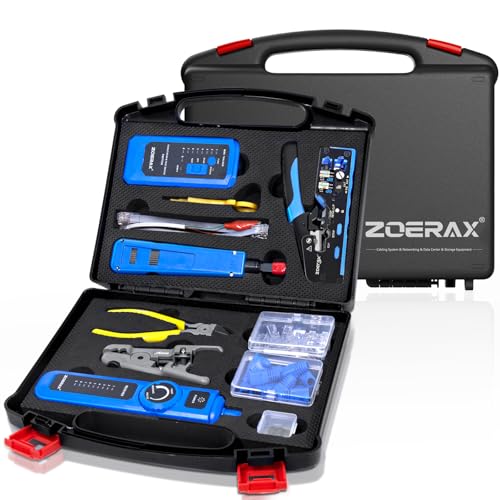
Professional Network Tool Kit, ZOERAX 14 in 1 – RJ45 Crimp Tool, Cat6 Pass Through Connectors and Boots, Cable Tester, Wire Stripper, Ethernet Punch Down Tool
- All-in-One Professional Kit: Includes tools in a sturdy carrying case
- Complete Tool Set: For pros and DIY network projects
- Versatile Ethernet Crimper: Adjusts easily without tools
As an affiliate, we earn on qualifying purchases.
As an affiliate, we earn on qualifying purchases.