To create inclusive designs for all cultures and ages, you should prioritize understanding diverse user needs and cultural sensitivities. Incorporate features that are adaptable, such as adjustable text sizes and high-contrast options, and use culturally neutral symbols and colors whenever possible. Avoid assumptions based on personal experiences, and focus on empathy and research to guarantee your design respects differences. Keep exploring ways to make your work truly accessible for everyone, no matter their background or age.

Get health and wellness essentials delivered free with Prime
- Fast, free delivery on millions of items
- Prime Video, Amazon Music and more included
- Member-only deals all year
Key Takeaways
- Incorporate cultural sensitivity by researching diverse backgrounds, symbols, and color meanings to ensure respectful and resonant designs.
- Design age-friendly interfaces with clear fonts, simple layouts, large touch targets, and adjustable features for all users.
- Prioritize inclusive features that accommodate physical, cognitive, and sensory differences across user groups.
- Step outside personal perspectives to understand varied experiences, ensuring accessibility and usability for everyone.
- Use empathy-driven research to create designs that are culturally appropriate, welcoming, and adaptable for diverse audiences.
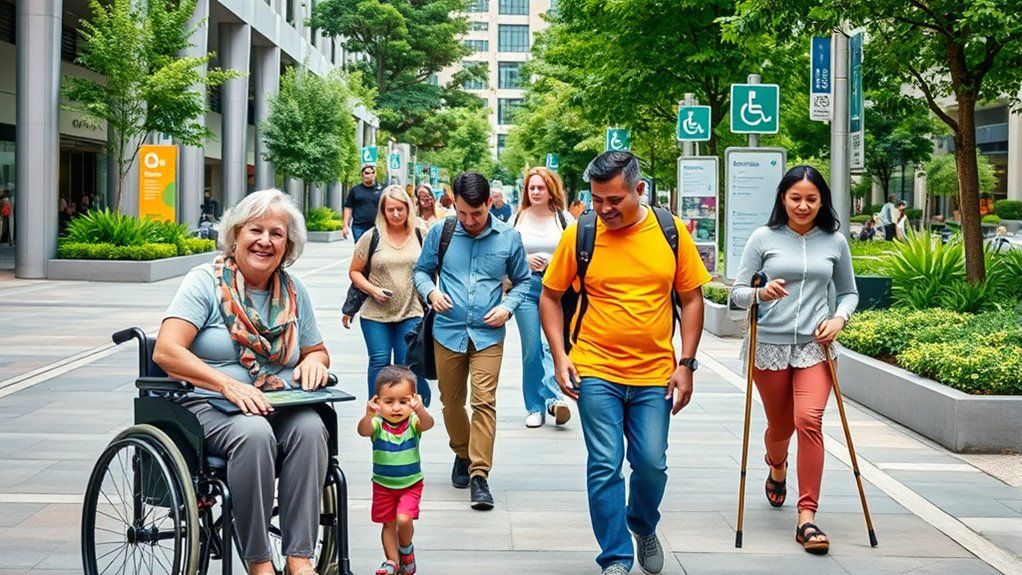
Have you ever considered how design choices can either include or exclude people? It’s a powerful question that highlights the importance of understanding diverse needs when creating products or environments. Inclusive design isn’t just about making things look good; it’s about guaranteeing everyone can access and benefit from them. One of the core principles is cultural sensitivity. This means recognizing that people come from different backgrounds, traditions, and values, which influence how they interpret symbols, colors, and language. For example, a color that signifies luck in one culture might have negative connotations in another. Being aware of these nuances helps you craft designs that resonate across cultures, avoiding unintentional offense or confusion. You want your work to be welcoming and respectful, which requires research and empathy. When you incorporate cultural sensitivity into your design process, you’re making deliberate choices that acknowledge and honor diversity. This not only broadens your audience but also fosters trust and inclusivity. Additionally, understanding user diversity ensures that your designs are adaptable and inclusive for everyone. Age-friendly interfaces are equally crucial in inclusive design. As populations age globally, your designs must accommodate a wide range of physical and cognitive abilities. An age-friendly interface is easy to navigate, with clear fonts, simple layouts, and accessible controls. You should avoid small text or tightly packed elements that can frustrate users with visual or dexterity challenges. Instead, think about features like adjustable text size, high-contrast color schemes, and touch targets that are large enough to tap comfortably. These adjustments show respect for how different ages interact with technology and help ensure that no one feels left out due to age-related limitations. It’s about creating environments where users of all generations feel comfortable and confident. When you focus on age-friendly interfaces, you’re not just designing for older adults; you’re making your product more usable for everyone, including those with temporary impairments or new users unfamiliar with complex systems. Ultimately, embracing cultural sensitivity and designing age-friendly interfaces are integral to inclusive design principles. You’re asked to step outside your own perspective and consider the diverse experiences of your users. By doing so, you create products and spaces that are truly accessible to all, regardless of cultural background or age. This approach not only broadens your reach but also demonstrates a genuine respect for the variety of ways people live, communicate, and engage with the world. When you prioritize these elements, you move beyond superficial aesthetics and foster genuine inclusivity, making your designs more meaningful, effective, and welcoming for everyone.
As an affiliate, we earn on qualifying purchases.
Frequently Asked Questions
How Do Cultural Differences Influence Inclusive Design?
Cultural differences considerably influence inclusive design by requiring you to take into account cultural adaptation and design diversity. You need to understand diverse cultural norms, language, and symbols to create accessible, respectful experiences. By embracing design diversity, you guarantee your product appeals to various cultural backgrounds, fostering inclusivity. This approach helps you avoid cultural insensitivity, making your design more effective and welcoming for users worldwide, regardless of their cultural or age differences.
What Are the Key Challenges in Designing for Multiple Age Groups?
Imagine building a bridge that must support both the swift-footed and the steady, ensuring everyone crosses safely. You face challenges like balancing age-related accessibility needs and accommodating cognitive diversity. Younger users might crave dynamic features, while older users need simplicity. Striking this balance demands empathy and flexibility, so your design becomes a sturdy, welcoming path for all ages, embracing differences instead of forcing conformity.
How Can Technology Enhance Inclusive Design for Diverse Users?
Technology can greatly enhance inclusive design by providing accessible interfaces that cater to diverse needs, ensuring everyone can navigate easily. You should incorporate multilingual support to break language barriers, making your platform welcoming for users from different cultures. By leveraging adaptive tools and customizable features, you create an environment where all users, regardless of age or background, feel valued and able to engage fully with your content.
What Role Do Local Customs Play in Inclusive Design Principles?
Local customs influence inclusive design by guiding cultural adaptation and ensuring respect for diverse traditions. You should prioritize custom sensitivity, understanding local norms, language, and behaviors, to create more accessible and meaningful experiences. By incorporating these cultural nuances, you make your design more relatable and user-friendly for different communities. This approach not only fosters inclusivity but also demonstrates respect, building trust and engagement with users from various cultural backgrounds.
How Can Feedback From Various Age Groups Improve Design Inclusivity?
Your design can become a masterpiece by actively seeking feedback from different age groups, turning it into an unstoppable feedback loop. This approach helps you understand age-specific preferences, ensuring your product resonates with everyone. When you listen to diverse voices, you create more inclusive designs, preventing your work from falling into the trap of one-size-fits-all solutions. Embrace their insights, and you’ll craft experiences that truly connect across generations.
As an affiliate, we earn on qualifying purchases.
Conclusion
By embracing inclusive design principles, you create experiences that truly serve everyone, regardless of age or cultural background. Some might think it’s too complex or time-consuming, but the benefits far outweigh the effort. When you prioritize accessibility and cultural sensitivity, you foster innovation and community trust. So, don’t shy away from these principles—integrate them confidently. In the end, inclusive design isn’t just a choice; it’s a powerful way to make a meaningful impact for all users.
As an affiliate, we earn on qualifying purchases.
culturally neutral symbols icons
As an affiliate, we earn on qualifying purchases.
As an affiliate, we earn on qualifying purchases.
Fall Picks
fall essentials
As an affiliate, we earn on qualifying purchases.