

In a digital age, engaging your senses through tactile experiences keeps you grounded and more present. Touching things like pages, clay, or tree bark stimulates your nerves, creating richer connections with your environment. These activities reduce stress, boost focus, and improve memory, balancing out the fast pace of digital input. Sharing physical moments with others deepens relationships and fosters genuine empathy. Keep exploring to discover how blending touch with technology can enrich your overall well-being.
Key Takeaways
- Physical experiences activate skin nerves and create sensory immersion that digital interactions cannot replicate.
- Engaging with tangible objects reduces stress, enhances focus, and strengthens neural pathways.
- Hands-on activities provide a mindful break from digital stimuli, fostering deeper understanding and emotional stability.
- Sharing physical activities enhances social bonds, empathy, and creates memorable, meaningful moments.
- Balancing technology with tactile engagement supports overall well-being and promotes a more fulfilled, well-rounded life.
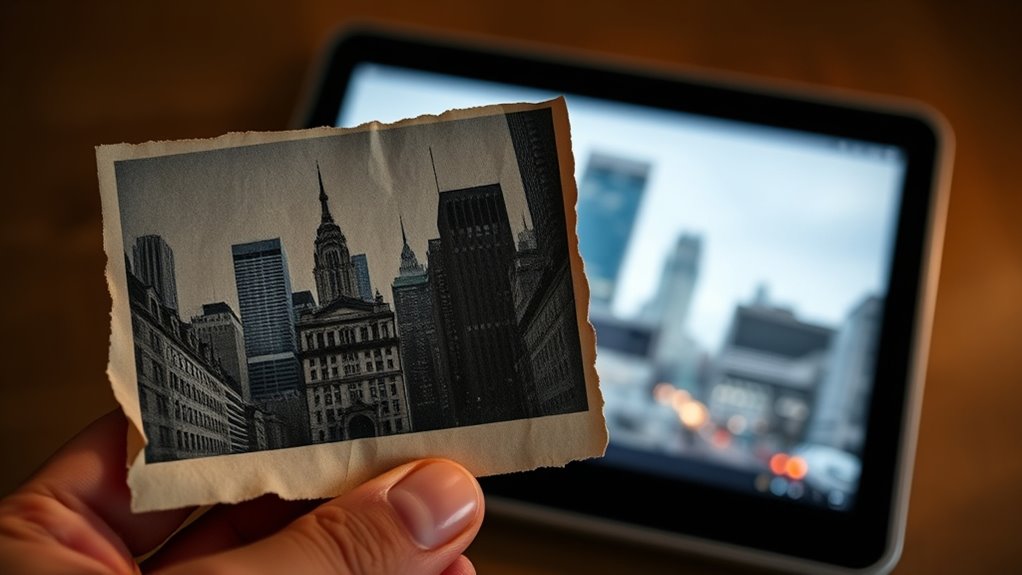
In an era dominated by screens and virtual interactions, it might seem that physical experiences are losing their relevance. However, engaging your senses through tangible activities remains essential for your well-being. When you touch, hold, or feel something real, you activate tactile engagement, which is indispensable for grounding you in the present moment. This kind of sensory immersion stimulates nerves in your skin, helping you connect more deeply with your environment and yourself. It’s easy to forget how powerful physical sensations are when you’re glued to a digital screen, but these experiences offer a richness that pixels simply can’t replicate.
Think about the last time you ran your fingers through a book’s pages or touched the rough bark of a tree. These simple acts engage your sense of touch and foster a connection that’s absent in scrolling through an ebook or swiping on a touchscreen. This tactile engagement isn’t just about feeling textures; it’s about creating a multi-layered experience that involves your entire body. When you physically interact with objects—whether it’s molding clay, cooking ingredients, or crafting art—you immerse yourself in a sensory world that helps reduce stress and enhances your focus. This sensory immersion is not only pleasurable but also essential for mental clarity and emotional stability.
Engaging your sense of touch connects you deeply, reducing stress and sharpening focus through meaningful, sensory experiences.
Physical experiences also serve as a counterbalance to the constant barrage of digital stimuli. When you take part in hands-on activities, you give your brain a break from the rapid, often superficial, information processing that screens promote. Instead, you engage in meaningful, deliberate actions that require attention and intention. This direct involvement strengthens neural pathways, improves memory retention, and fosters creativity. It’s a reminder that experiences rooted in physicality and sensory richness deepen your understanding and appreciation of the world around you. Additionally, properly stored aromatherapy oils can enhance these tactile activities by engaging your sense of smell, adding another layer of sensory immersion to your experiences.
Moreover, tactile engagement fosters social bonds. When you share physical activities like baking with loved ones or gardening together, you create tangible memories that strengthen relationships. These moments are rooted in shared sensory immersion, which fosters empathy and connection in ways that virtual interactions often lack. In a digital age where surface-level communication is common, these physical experiences bring depth and authenticity to your relationships.
Ultimately, embracing physical experiences isn’t about rejecting technology but about balancing it. When you prioritize tactile engagement and sensory immersion, you enrich your life with meaningful moments that nurture your mental, emotional, and social well-being. These real-world interactions remind you that, even in a digital world, the power of touch and physical connection remains essential for a fulfilled, well-rounded life.
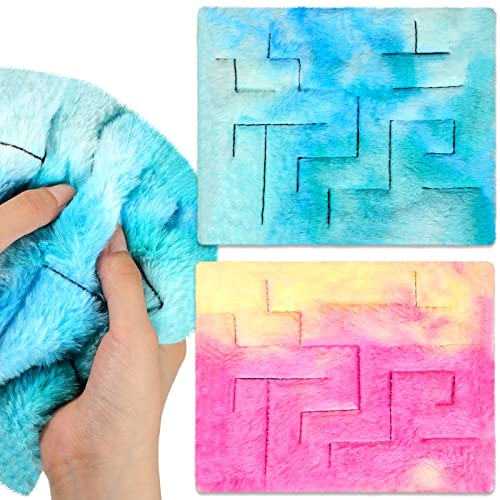
Frienda 2 Pack Marble Maze Mat Fidget Tactile Sensory Toys Stress Relief Toys Relief Anxiety Calming Mats for School Classroom Reduce Stress Anxiety Improve Focus(Vivid Style,8.7 x 6.3 Inch)
Sensory Items: there are 2 pieces of sensory mats in the package, which can reduce stress and anxiety,…
As an affiliate, we earn on qualifying purchases.
As an affiliate, we earn on qualifying purchases.
Frequently Asked Questions
How Do Physical Experiences Influence Emotional Well-Being?
Physical experiences boost your emotional well-being through sensory engagement, making you feel more connected and grounded. When you touch, smell, or see real objects, your brain releases feel-good chemicals, enhancing emotional resilience. These tangible interactions help reduce stress, improve mood, and foster mindfulness. By actively engaging your senses, you build a stronger emotional foundation, allowing you to better handle life’s challenges and find joy in everyday moments.
Can Digital Experiences Ever Fully Replicate Physical Sensations?
Digital experiences can’t fully replicate physical sensations, as virtual touch often falls short due to sensory limitations. You might feel like you’re reaching out and grasping, but the warmth, texture, and subtle shifts remain elusive. While technology advances, it struggles to evoke the depth of real-world contact. So, despite the immersive allure, digital interactions still lack the rich, tactile richness that physical experiences naturally provide.
What Are the Long-Term Impacts of Reduced Physical Interactions?
Reduced physical interactions can lead you to experience increased social isolation and sensory deprivation. Over time, this may impact your mental health, causing feelings of loneliness and decreased emotional resilience. You might find it harder to develop empathy and social skills, which can strain relationships. Long-term, these effects could diminish your overall well-being, making it vital to seek in-person connections to maintain a healthy balance between digital and physical experiences.
How Can Technology Enhance, Rather Than Replace, Physical Experiences?
You can enhance physical experiences through technology by leveraging augmented reality and sensory integration. Augmented reality adds layers of immersive information, enriching your real-world interactions. Sensory integration engages multiple senses, making experiences more vivid and memorable. By combining these tools, you deepen your connection to physical activities, making them more engaging and meaningful without replacing the tactile or social aspects. This approach creates a harmonious blend of digital innovation and physical authenticity.
Are There Specific Age Groups That Benefit More From Physical Activities?
You benefit most from physical activities depending on your age group, as age-specific benefits vary. Younger generations gain improved motor skills and social interaction, while older adults experience better mobility and mental health. Recognizing generational differences helps tailor activities for maximum impact. Engaging in age-appropriate physical experiences can enhance overall well-being, ensuring each age group reaps the unique benefits that physical activity offers at their stage of life.

ASAKUKI Essential Oils, Essential Oil for Diffusers for Home, Well-Being Kit- Calm Mind, Sweet Dreams, Happy, Relax, Air Freshening, Immunity for Aromatherapy, Humidifiers, Massage, 6x10ml
Essential Oil Blends: Introduce the long-lasting, pleasant, and relaxing aroma to your home with our Well-being aromatherapy diffuser…
As an affiliate, we earn on qualifying purchases.
As an affiliate, we earn on qualifying purchases.
Conclusion
In today’s digital world, it’s easy to forget that some things can’t be replaced by pixels. Your hands-on experiences create memories and connections that screens just can’t replicate. Don’t overlook the power of physical interaction—sometimes, you have to step away from the glow of a screen and get your hands dirty. After all, you can’t truly appreciate the full picture if you’re only viewing it through a digital lens.

Polymer Clay 50 Colors, Modeling Clay for Kids DIY Starter Kits, Oven Baked Model Clay, Non-Sticky Molding Clay with Sculpting Tools, Gift for Children and Artists (50 Colors)
DIY gift for children and artists: 50-color polymer clay starter kits, easy to shape, arbitrary fabrication, rich colors,…
As an affiliate, we earn on qualifying purchases.
As an affiliate, we earn on qualifying purchases.

Yowlieu 10 Pcs Wooden Sensory Bin Tools for Toddlers & Preschool Children, Montessori Sensory Wooden Toys Fine Motor Learning Pretend Play Sensory Tools for Kids
Complete Montessori Sensory Bin Tools Kit: 10 Sensory Tool Toys + 1 storage bag for supply all-in-one convenience,…
As an affiliate, we earn on qualifying purchases.
As an affiliate, we earn on qualifying purchases.