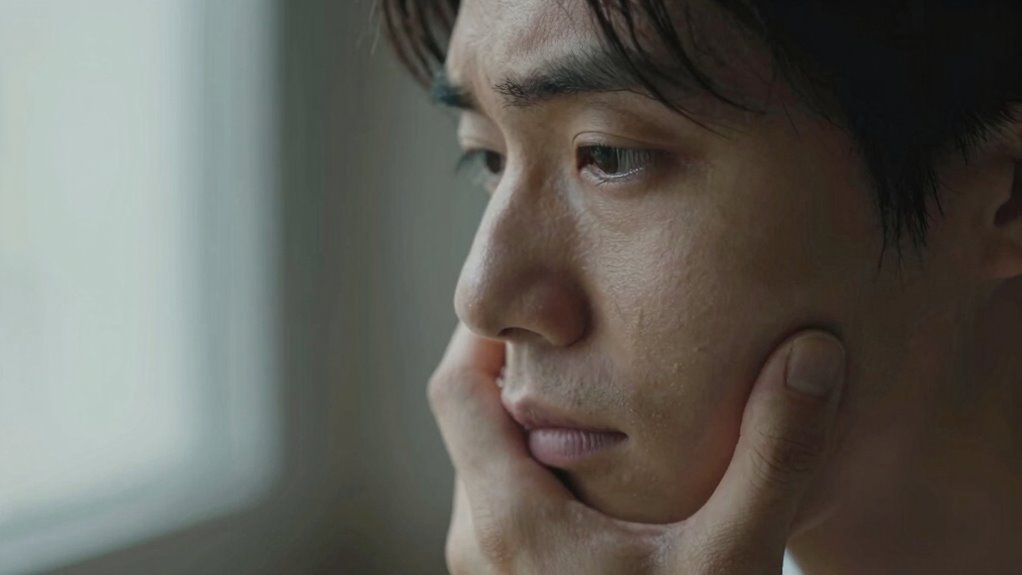

Pausing before reacting is a real skill because it helps you manage your emotions and communicate more effectively. When you take a moment, you prevent impulsive reactions that can cause misunderstandings or regrets. It gives you space to assess the situation, understand your feelings, and choose a more thoughtful response. Developing this habit boosts your emotional resilience and strengthens relationships. Keep exploring how mastering this simple act can transform your interactions and personal growth.

Get health and wellness essentials delivered free with Prime
- Fast, free delivery on millions of items
- Prime Video, Amazon Music and more included
- Member-only deals all year
Key Takeaways
- Pausing prevents impulsive reactions, reducing misunderstandings and emotional escalation.
- It fosters emotional intelligence by creating space to recognize and understand feelings.
- Taking a moment before reacting promotes deliberate, thoughtful communication over impulsive responses.
- Developing this skill enhances empathy, active listening, and emotional resilience in interactions.
- Mastering pausing improves overall conflict resolution, trust, and personal growth in human relationships.
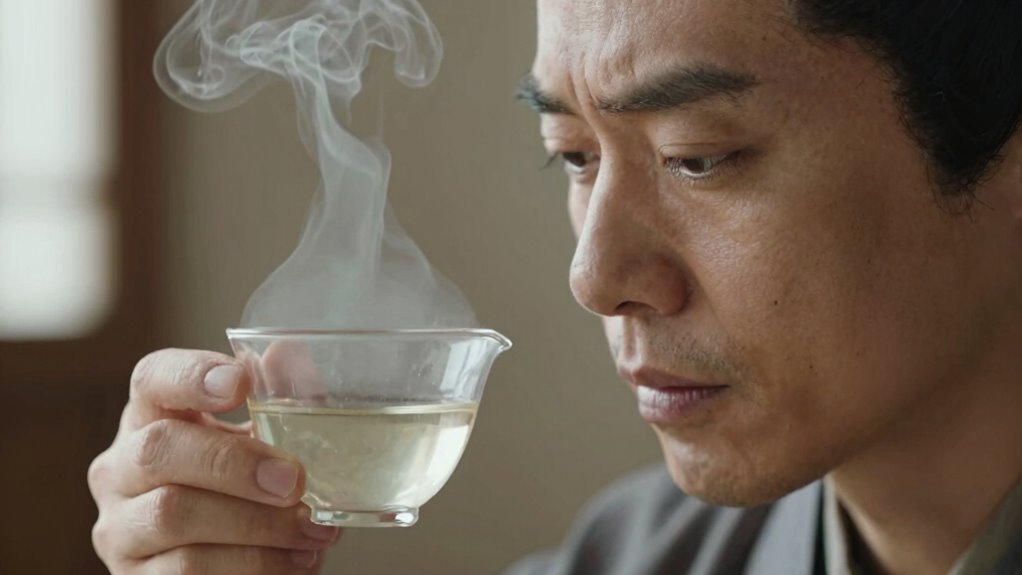
Have you ever reacted impulsively and wished you hadn’t? It’s a common experience, and it often leads to regret or misunderstandings. The secret to avoiding those moments lies in developing the skill of pausing before reacting. When you take a moment to breathe and collect your thoughts, you’re practicing emotional intelligence—your ability to recognize, understand, and manage your emotions. This awareness helps you stay in control instead of letting intense feelings dictate your responses. Pausing isn’t about suppressing emotions; it’s about acknowledging them without immediately acting on them. That awareness creates space for mindful communication, where your words and actions are deliberate rather than reactive.
Think about a time when someone said something that angered or upset you. Your initial instinct might be to lash out or respond defensively, but pausing allows you to choose a better response. When you stop briefly, you give yourself the chance to assess the situation more clearly. You can ask yourself, “Is what I’m feeling proportionate to what’s happening? What’s the most constructive way to respond?” This mental check-in helps you avoid escalating conflicts or saying things you might regret later. It’s a simple skill, but one that requires practice and intention. Over time, it becomes second nature to slow down and consider your reactions thoughtfully.
Pausing helps you respond thoughtfully rather than react impulsively.
Moreover, this pause cultivates empathy—not just for yourself but for others as well. When you respond mindfully, you’re more likely to listen actively and understand different perspectives. Developing emotional resilience is a key part of this process, allowing you to bounce back from setbacks and maintain a balanced outlook. Recognizing the importance of self-awareness can help you better regulate your responses and foster healthier interactions. Incorporating mindfulness practices into your daily routine can further strengthen this skill, making it easier to stay present and composed in difficult moments. Understanding emotional intelligence also plays a vital role, as it guides you in managing your reactions and building stronger relationships. By understanding the connection between emotional awareness and effective communication, you can improve your interactions significantly. This approach strengthens your relationships because your responses become more genuine and less driven by knee-jerk emotions. As you master the art of pausing, you’ll notice that you communicate more effectively, resolve conflicts more peacefully, and foster trust in your interactions.
In essence, learning to pause before reacting transforms your emotional landscape. It empowers you to handle challenging situations with clarity and compassion. The more you practice mindful communication, the easier it becomes to respond with intention rather than impulse. This skill doesn’t just improve your relationships; it also boosts your self-awareness and emotional resilience. So next time you feel triggered, remember that a simple pause can prevent a lot of unnecessary trouble. It’s a small act that makes a big difference—one that enhances your personal growth and your ability to navigate the complexities of human interaction.
mindfulness meditation for emotional regulation
As an affiliate, we earn on qualifying purchases.
As an affiliate, we earn on qualifying purchases.
Frequently Asked Questions
How Can I Practice Pausing in High-Stress Situations?
To practice pausing in high-stress situations, start with mindfulness exercises daily, which help you stay present. When tension rises, take a deep breath and focus on your breathing, slowing your reaction. Regularly incorporating breathing exercises trains your mind to pause intentionally. Over time, these techniques become second nature, allowing you to respond thoughtfully instead of reacting impulsively, even during stressful moments.
What Are Common Mistakes When Trying to Pause Before Reacting?
Like a knight rushing into battle, you might mistake rushing to respond for strength, but common mistakes include overlooking cultural differences and succumbing to impulsive tendencies. You may react instinctively without fully understanding the situation or considering others’ perspectives. Instead, you should pause intentionally, recognize these tendencies, and give yourself a moment to think. This prevents misunderstandings and helps you respond thoughtfully, even when emotions run high.
Does Pausing Improve Long-Term Relationships?
Pausing definitely improves long-term relationships by allowing you to practice mindfulness techniques and respond thoughtfully. When you take a moment before reacting, you’re more likely to choose communication strategies that foster understanding rather than conflict. This habit helps build trust, reduces misunderstandings, and shows your partner that you value their feelings. Over time, these mindful pauses strengthen your connection, making your relationship more resilient and fulfilling.
How Long Should I Pause Before Responding?
You should pause for about a second or two before responding. It’s enough time to practice mindful listening and boost your emotional awareness, preventing knee-jerk reactions. Ironically, that tiny pause often feels like forever, yet it can transform a heated exchange into a calm conversation. Use this moment to truly understand what’s being said, rather than just waiting to speak. That’s how you turn a quick response into a meaningful connection.
Can Pausing Help in Emotional Regulation?
Yes, pausing can definitely help in emotional regulation. When you take a moment to pause, you create space for mindful breathing, which calms your nervous system. This pause enhances your emotional awareness, allowing you to recognize your feelings without reacting impulsively. By practicing this skill, you gain better control over your responses, making it easier to handle difficult situations with clarity and composure.
emotional intelligence training books
As an affiliate, we earn on qualifying purchases.
As an affiliate, we earn on qualifying purchases.
Conclusion
Mastering the art of pausing before reacting isn’t just a skill—it’s a superpower. It can turn you from a hot-headed firecracker into a calm, unstoppable force of reason. When you pause, you wield the power to defuse conflicts, make smarter choices, and command respect like a true legend. So next time someone pushes your buttons, remember: a simple pause can transform you into an invincible, unshakable master of your reactions!
active listening training courses
As an affiliate, we earn on qualifying purchases.
As an affiliate, we earn on qualifying purchases.
As an affiliate, we earn on qualifying purchases.
Cold & flu season Picks
humidifiers
As an affiliate, we earn on qualifying purchases.