TL;DR
Food storage containers help keep food organized, limit spills, and make leftovers easier to store and carry, but no single material fits every job. Choose by what will be stored, check the container and lid’s temperature ratings, and remember that airtight seals support food quality without replacing prompt refrigeration or safe handling.
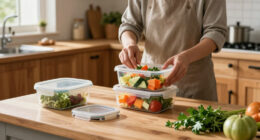
A lid that pops open in your lunch bag can turn yesterday’s tomato soup into today’s laundry problem. The right food storage containers help keep food organized and protected, reduce spills and odors, and make leftovers easier to store, carry, and reheat.

Get health and wellness essentials delivered free with Prime
- Fast, free delivery on millions of items
- Prime Video, Amazon Music and more included
- Member-only deals all year
But the best choice depends on what will be stored, how long it needs to last, and where it’s going next. Glass, plastic, stainless steel, and silicone each have strengths, and a container that works beautifully for chopped vegetables may be a poor fit for a hot lunch or a crowded freezer.
This guide walks you through materials, lids, sizes, temperature labels, and everyday care. You’ll leave with a simple way to choose containers that fit your kitchen and your routine, while keeping food safety practices in view.
Choose glass, plastic, stainless steel, or silicone based on the food, transport needs, and appliance use.
Check temperature instructions for both the container base and lid; their ratings may differ.
Use airtight seals to help limit spills and air exposure, but refrigerate perishables promptly.
Shallow portions can help large amounts of food cool more quickly.
Replace containers with cracks, warped edges, worn seals, or surfaces you can’t clean properly.
Match the Material to the Job in Your Kitchen
Food storage containers work best when you choose their material for the food and task, rather than buying one material for every situation. Glass resists stains and odors, plastic is light to carry, stainless steel travels well, and silicone can fold or nest into tight spaces. Those differences affect more than convenience: weight matters on a commute, stain resistance matters for strongly colored foods, and appliance limits matter when leftovers need reheating. Check each product’s food-contact and appliance labels because material alone does not tell you whether a particular container is suitable for a specific use.
For example, a glass container may suit tomato curry because it is less likely to hold the sauce’s red tint or smell. Its weight and breakability can be a drawback if you carry it on a long walk or pack it beside a laptop. A lightweight plastic tub may be more comfortable in a backpack, provided it is labeled for food storage and the use you have in mind. That convenience comes with a different tradeoff: some plastics stain or retain odors, so you may prefer glass for foods that tend to leave a mark.
| Material | Useful for | Check before use |
|---|---|---|
| Glass | Leftovers and reheating when rated | Freezer, oven, microwave, and lid limits |
| Plastic | Lightweight lunches and everyday storage | Food-contact and temperature labels |
| Stainless steel | Durable transport and packed meals | It generally cannot go in a microwave |
| Silicone | Flexible bags and compact storage | Food-contact, heat, and cleaning directions |
Stainless steel can be a sturdy choice for sliced apples or a sandwich, but it usually can’t go in the microwave, so it may be less convenient when lunch needs reheating. Silicone bags can save space in a drawer and adapt to different amounts of food, though their seams and closures still need a good clean. No material wins every job; choose based on the foods and steps in your routine. If you regularly move food from fridge to microwave, appliance compatibility may matter more than compact storage; if you carry lunch, weight and a dependable closure may matter more.
Products Worth Considering

Philips Sonicare ProtectiveClean 5300 Rechargeable Electric Toothbrush with 3 Brush Heads, Black

Levoit Eleva 300X Air Purifier with Sealed HEPA Filtration
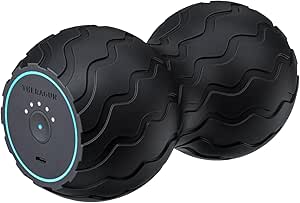
Therabody WaveDuo Contoured Vibrating Back and Neck Roller
As an affiliate, we earn on qualifying purchases.
Check the Base, Lid, and Seal Before You Pack
A good food storage container has a secure, intact seal that suits its contents and its journey. The seal can help limit leaks and exposure to air, but it does not make food shelf-stable or stop spoilage. Its practical value depends on the contents: thick leftovers are less likely to escape than soup, and liquid can reach gaps when a container tips or is squeezed. For a container that may tip in a bag, look for a well-fitting lid and keep the food upright.
Take a lentil soup lunch as an example: fill a container nearly to the brim and you leave little room for movement, so a sharp turn on the bus may send liquid into the seal. Leave some headroom, close each corner or latch firmly, and carry it upright. Headroom gives food room to shift without pressing directly against the lid, while checking the latches helps catch a closure that looks shut but is not fully engaged. For salad greens, a lid that closes snugly helps keep the leaves from getting crushed by a water bottle, though a tightly packed container can still bruise them.
Check the markings for the base and lid separately. A glass base may be microwave-safe while its plastic lid is not; some lids need to be removed, loosened, or vented during heating. “Microwave-safe,” “freezer-safe,” “oven-safe,” and “dishwasher-safe” describe different uses because materials respond differently to heat, cold, and cleaning. A freezer-rated base, for example, does not guarantee that its lid can handle the same temperature. Follow the maker’s directions rather than guessing from a symbol or appearance.
- For liquids: avoid overfilling and test the closure at home.
- For reheating: follow the stated lid and vent instructions.
- For freezing: use a freezer-rated container and leave room for expansion.
If you’re packing soup for a commute, try the closed container over the sink before it goes into your bag. This simple check can reveal a weak seal before a leak reaches your belongings. A few seconds of checking can save a soaked notebook and a sticky zipper.
Choose Sizes That Save Space and Make Meals Easier
The most practical food storage containers come in a mix of sizes that match your portions, shelves, and meals. A set of identical tubs can look tidy on a store display but leave you short of a small container for pesto or a shallow dish for last night’s roast vegetables. That mismatch can mean unused space in the fridge, food stored in awkward portions, or a container too large to cool and serve efficiently. A balanced mix makes food easier to store and helps you use the space you have.
Imagine packing lunch for one while saving dinner for a family of four. One large, deep container might hold the pasta, but it can take longer for a big batch of food to cool. Several smaller, shallow containers let you divide the meal into portions and fit them across a refrigerator shelf, following safe cooling guidance. They also make it easier to take only one serving later, though more containers mean more lids to wash and keep track of.
- Start with your regular foods: note the lunch portions, leftovers, chopped produce, or sauces you store most often. This keeps you from buying sizes that solve problems you rarely have.
- Pick shapes for your shelves: rectangular containers often line up neatly, while round ones can suit bowls and circular shelves. A shape that fits your fridge can reduce gaps, but the best fit also depends on the dishes and foods you already use.
- Choose a few capacities: keep small tubs for dips, medium ones for lunches, and larger ones for shared dishes. A range covers more tasks, while too many specialized sizes can make matching lids and finding cupboard space harder.
- Check nesting and stacking: containers that sit inside each other or stack securely can free up cupboard space. Test how the lids store too, since a neatly nested set is less useful if its loose lids take over a drawer.
Clear sides make it easier to spot the roasted carrots behind the milk, while labels or a piece of masking tape can identify contents and dates. That visibility can help you use food before it gets forgotten, but clear containers are only useful if they fit where you can see and reach them. Before buying a large set, measure a shelf and think about the food that will be stored there. The right size prevents a half-empty giant tub from taking over your fridge.
Keep Food Safe With Prompt Cooling and Refrigeration
Food storage containers support safe storage, but safe cooling and refrigeration do the real work of controlling time and temperature. Perishable food should be refrigerated promptly, and shallow containers can help large amounts cool more quickly. An airtight lid can protect quality, but it cannot replace the refrigerator. This distinction matters because a container can look clean and remain tightly closed while food inside spends too long at an unsafe temperature.
After a big pot of chili, for instance, divide the leftovers into several shallow portions instead of putting the whole steaming pot away in one deep tub. Smaller portions have less depth for heat to travel through, which can help them cool more quickly, and they are easy to grab for lunch. The tradeoff is that dividing food takes more containers and space, so choose portions that fit your fridge without crowding it. Follow guidance from your local food-safety authority for cooling and storage details.
A commonly used guideline is to eat most cooked leftovers within three to four days when they have been refrigerated promptly at 40°F (4°C) or colder. The exact advice can depend on the food and how it was handled, so local official guidance should take precedence. Don’t use smell or appearance alone to decide whether food is safe; some hazards aren’t obvious to your senses. Marking containers with dates can help you track storage time, especially when several batches of leftovers share a shelf.
A tight lid protects the container’s contents from spills and odors; it does not press pause on spoilage.
For example, sealing rice and putting it on the counter until morning doesn’t turn it into a safe pantry food. Refrigerate promptly, keep the fridge cold, and use clean containers. These steps work together: clean storage limits contamination, prompt chilling slows the growth of many harmful microbes, and tracking time helps you use leftovers within recommended limits. If you have a medical question about food safety or a health condition that affects what you should eat, ask a qualified professional.
Make Reusable Containers Last and Know When to Replace Them
Reusable containers earn their cupboard space when you clean them well, use them regularly, and replace them when damage makes them hard to trust or clean. A stain may be mostly cosmetic, but a crack, warped edge, or worn seal can create a practical problem: leaks, trapped residue, or a closure that no longer holds. Those flaws matter because food can collect in damaged surfaces and a failing seal can make transport unreliable.
After carrying tomato soup, wash the container promptly with warm water and dish soap. Prompt washing loosens residue before it dries, making the container easier to clean and less likely to carry odors into the next meal. Thorough drying and good airflow can help with odors; some plastic stains may remain even after careful washing. If the container is strongly odorous, badly scratched, cracked, or difficult to clean properly, replace it. Avoid treating a lingering stain as proof of danger by itself, but don’t ignore damage that affects cleaning or closure.
Reusable options can reduce reliance on disposable packaging when you use them repeatedly. Their overall impact depends on the material, how they’re made, how often you wash them, and how long they last. A durable lunch container used throughout the year may fit your routine better than a drawer full of specialty pieces you rarely reach for. In practice, a container only gets repeated use if it is easy to clean, store, and carry, so those everyday details affect whether it becomes a useful replacement for single-use packaging.
Product claims also deserve a close read. BPA-free means a product is made without bisphenol A; it does not answer every question about that product’s suitability or temperature use. Look for food-contact and care instructions, choose a container that suits your appliances, and inspect it every so often. When the seal no longer clicks shut or a corner splits, retire it from food storage; keeping a damaged container for a less demanding use only makes sense if it can still be cleaned thoroughly and hold that use safely.
Frequently Asked Questions
Are glass or plastic containers better?
Glass resists stains and odors and may suit reheating when its label allows it, but it is heavier. Plastic is easier to carry, though you should check that it is intended for food contact and for the use you have in mind. Pick based on your routine, not a universal ranking.
Can I microwave a container with its lid on?
Only if the maker’s directions say the lid is microwave-safe and explain how to use it. A microwave-safe base does not automatically make its lid safe to heat. Some lids must be removed, loosened, or vented.
Can I freeze food in a glass container?
Use glass only when the specific container is labeled freezer-safe, and leave room for food to expand. Avoid sudden temperature changes, which can crack glass. Check the maker’s instructions before moving a container from the freezer to an oven or microwave.
Do airtight containers keep food fresh longer?
A good seal can help limit exposure to air and moisture, protect quality, and reduce odors or spills. Freshness still depends on the food, its temperature, and how long it has been stored. Airtight storage does not make perishable food shelf-stable.
When should I replace a food storage container?
Replace one that is cracked, warped, badly scratched, no longer seals well, or too damaged to clean properly. For example, if a lunch tub leaks even when you close every latch, stop trusting it with soup in your bag. Persistent stains alone can be different from physical damage.
Conclusion
Choose containers around the meals you actually make: a few useful sizes, secure lids, and labels that match your appliances will do more for your kitchen than a huge matching set. Keep the base and lid instructions together in your mind, and let the refrigerator—not the seal—handle food safety.
When dinner is packed away and tomorrow’s lunch clicks shut without a leak, your containers have earned their place. Start with the leftovers you reach for most often.