
TL;DR

Get health and wellness essentials delivered free with Prime
- Fast, free delivery on millions of items
- Prime Video, Amazon Music and more included
- Member-only deals all year
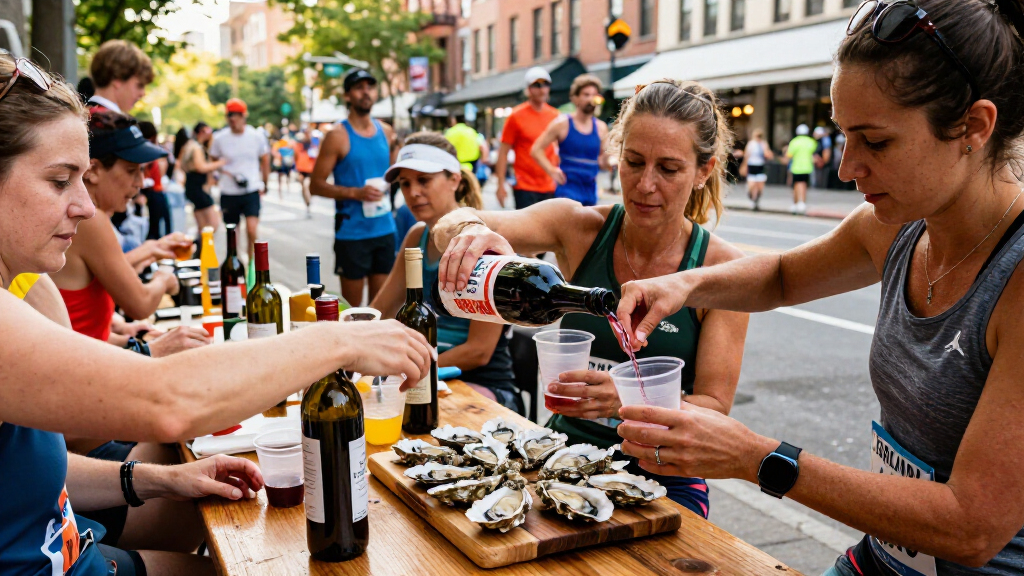
A unique French marathon permits runners to stop for wine and oysters during the race, highlighting a blend of athletic challenge and local gastronomy. The event is attracting increased media and public interest, though details about its organization remain limited.
A French marathon has introduced a distinctive feature: runners can make pit stops to enjoy local wine and oysters during the race. This development has garnered media attention and public curiosity, as it combines athletic endurance with regional culinary traditions. The event’s organizers emphasize that the stops are integrated into the race route and are intended to promote local culture, though details about the race’s logistics and rules are still emerging.
The marathon, held in a region known for its wine and seafood, now includes designated refreshment points where runners can pause to sample regional specialties. According to reports, these stops are officially part of the race and are organized to encourage participants to experience local gastronomy firsthand. While the exact number and locations of these stops are not yet confirmed, witnesses and early reports suggest that the concept aims to blend sport with cultural celebration.
Organizers have stated that safety measures are in place, and that the stops are intended to enhance the race experience rather than detract from athletic performance. The inclusion of wine and oysters is seen as a way to boost tourism and promote regional products, potentially setting a precedent for other races to incorporate local culture into their formats. The event is drawing both curious runners and spectators, eager to see how this unconventional approach unfolds during the race.
Implications for Race Culture and Tourism
This development is significant because it challenges traditional marathon formats by integrating local culinary experiences directly into the race. It highlights a growing trend of blending sport with regional culture, which could influence future race organization worldwide. For the local economy, especially in wine and seafood regions, this approach offers a novel way to attract tourists and promote regional products. However, it also raises questions about race safety, logistics, and the potential impact on athletic performance, which remain to be fully addressed.
As an affiliate, we earn on qualifying purchases.
Growing Interest in Culinary Marathons
The concept of combining athletic events with local food and drink is not entirely new but has gained momentum in recent years, especially in regions with strong culinary identities. French regions renowned for their wine and oysters have increasingly sought to incorporate their specialties into public events to boost tourism and local pride. This particular marathon appears to be part of a broader trend where race organizers experiment with integrating cultural elements into traditional sporting events. While the idea has received positive attention, details about how widespread or official these practices are remain limited, and it is unclear whether this model will be adopted elsewhere or remain a regional novelty.
As an affiliate, we earn on qualifying purchases.
Unconfirmed Details and Potential Challenges
It is not yet clear how the race organizers are managing safety, logistics, and timing with these pit stops. The exact locations, number of stops, and whether all runners can participate in the tasting are still unknown. Additionally, it remains to be seen how this approach impacts overall race performance and whether it will be officially sanctioned or considered a novelty event. The broader reception from traditional marathon communities and regulatory bodies is also uncertain.
As an affiliate, we earn on qualifying purchases.
Future Developments and Official Clarifications
Organizers are expected to release more detailed information about the race route, safety protocols, and rules governing the wine and oyster stops. Observers anticipate that additional races in other regions may consider similar integrations if this event proves successful. Monitoring media coverage and official race statements will provide clarity on whether this approach becomes a broader trend or remains a regional experiment.
As an affiliate, we earn on qualifying purchases.
Key Questions
Is drinking wine during a marathon safe?
Safety measures are reportedly in place, but health authorities generally advise caution when consuming alcohol during physical exertion. Participants are encouraged to drink responsibly and be aware of their own limits.
Are the wine and oysters included in the race registration?
Details about registration and whether tasting stops are part of official race packages are still emerging. Organizers have indicated that the stops are integrated into the race route but have not yet clarified registration specifics.
Will other races adopt this model?
It is too early to tell. The concept is currently experimental and regional, but if successful, it could inspire similar events elsewhere, especially in regions with strong culinary traditions.
How are the stops managed to ensure fairness among runners?
Details on how timing and participation are coordinated remain unclear. It is uncertain whether all runners can participate equally or if the stops are optional or timed.
Source: rss
Cold & flu season Picks
humidifiers
As an affiliate, we earn on qualifying purchases.