In Blue Zones, you’ll find communities where people live longer and healthier lives by focusing on simple lifestyle choices. Emphasize plant-based foods, eat mindfully, stay physically active with daily routines, and prioritize strong social bonds. Engaging with others and nurturing a sense of purpose supports overall well-being. These lessons show that small, consistent habits can transform your health over time; explore further to discover how you can adopt them yourself.
Key Takeaways
- Blue Zones prioritize plant-based diets rich in vegetables, fruits, whole grains, nuts, and legumes, reducing processed foods and red meat.
- Regular physical activity is integrated into daily routines through simple, sustainable movements like walking and using electric bikes.
- Strong social bonds and community involvement foster a sense of belonging, purpose, and mental well-being.
- Practices like eating until 80% full (Hara Hachi Bu) support healthy digestion and prevent overeating.
- Lifestyle habits such as shared meals and active social engagement significantly contribute to longevity and improved health span.

Blue Zones are regions around the world where people live markedly longer and healthier lives than average. If you want to tap into their secrets, understanding their daily routines is essential. Two key aspects stand out: their dietary habits and social engagement. These elements aren’t just about what people eat or how often they socialize—they’re deeply woven into their lifestyles, promoting longevity and well-being.
When it comes to dietary habits, residents of Blue Zones tend to focus on plant-based foods. Their diets are rich in vegetables, fruits, whole grains, nuts, and legumes, while they consume less processed food and red meat. You’ll notice that they eat in moderation, often following the “Hara Hachi Bu” principle, which encourages eating until you’re about 80% full. This habit helps prevent overeating and maintains a healthy weight. Meals are typically simple and prepared with fresh ingredients, emphasizing local, seasonal produce. By sticking to these dietary patterns, they support cardiovascular health, reduce inflammation, and promote longevity. Additionally, many of these communities utilize electric bikes for daily activity, making physical movement more accessible and sustainable.
Social engagement plays an equally critical role. In Blue Zones, community isn’t just a background detail—it’s a cornerstone of daily life. You’re encouraged to build strong bonds with family and friends, participate in community activities, and maintain a sense of belonging. Social connections reduce stress, boost mental health, and provide a support system during life’s challenges. For example, many Blue Zone residents belong to faith-based groups or communal gatherings, which foster a sense of purpose and shared identity. This sense of belonging helps them stay motivated to lead healthier lifestyles. When you engage socially, you’re more likely to stick with healthy habits like regular exercise, good sleep routines, and mindful eating. It’s not just about having friends; it’s about creating meaningful relationships that give your life purpose and joy.
Incorporating these lessons into your life doesn’t require drastic changes. Start small—share meals with loved ones, join community groups, or incorporate more plant-based foods into your diet. Prioritize social interactions that matter to you, whether it’s a weekly walk with a friend or participating in local events. Over time, these habits can lead to a longer, healthier life, just like those in the Blue Zones. Ultimately, longevity isn’t just about genetics; it’s about the choices you make every day, especially around what you eat and how you connect with others.

Elecby 1200W Peak Folding Electric Bike for Adults, 28MPH 48V 10.4Ah Removable Battery, 55-Mile Range, 20"x3" Fat Tire, Step-Thru Ebike with Basket 7-Speed – Commuter E-Bike Grey
Powerful 1200W Motor with Intelligent Pedal Assist: Experience dynamic acceleration and hill-climbing capability with the robust 1200W peak…
As an affiliate, we earn on qualifying purchases.
As an affiliate, we earn on qualifying purchases.
Frequently Asked Questions
How Do Blue Zones Residents Handle Healthcare and Emergencies?
You handle healthcare and emergencies in Blue Zones by prioritizing preventive care, staying active, and maintaining healthy habits to reduce risks. When emergencies occur, residents are often well-prepared through community support and local health systems that emphasize quick response and accessible care. This proactive approach minimizes urgent issues, ensuring you’re better equipped to manage health crises effectively while fostering a strong sense of community for support during emergencies.
What Role Does Genetics Play in Longevity Within Blue Zones?
You might think genetics is the main factor in longevity, but studies show it accounts for only about 20-30% of lifespan. In Blue Zones, hereditary influence plays a role, but lifestyle choices like diet, activity, and community engagement are more critical. Your genetic predisposition can set the stage, but it’s your daily habits that truly shape how long and well you live.
Are Blue Zones Diets Suitable for Everyone?
Blue Zones diets can be suitable for you, but it depends on your nutritional diversity and cultural dietary practices. These diets emphasize plant-based foods, whole grains, and moderate protein, which many find beneficial. However, you should adapt them to align with your cultural preferences and nutritional needs. Consulting a healthcare professional guarantees you incorporate these principles safely, making it easier to adopt sustainable, healthy eating habits that respect your background.
How Can Urban Areas Replicate Blue Zones Lifestyle?
Sure, urban areas can totally become Blue Zones overnight. Just overhaul urban planning to prioritize walkability, green spaces, and local markets, making healthy choices easy and fun. Engage your community in these efforts—host neighborhood walks, gardening clubs, and wellness events. When everyone’s involved and the city’s designed for health, longevity follows. Who knew that building a Blue Zone was just a matter of smarter planning and a little community spirit?
What Are Common Misconceptions About Living in Blue Zones?
You might think longevity myths mean you need perfect health or strict routines, but that’s a misconception. Living long in blue zones isn’t about perfection; it’s about consistent, simple lifestyle choices like regular activity, strong social ties, and eating naturally. Don’t fall for the idea that only special diets or genetics determine longevity. Embrace balanced habits and community connections instead, and you’ll be on your way to a healthier, longer life.
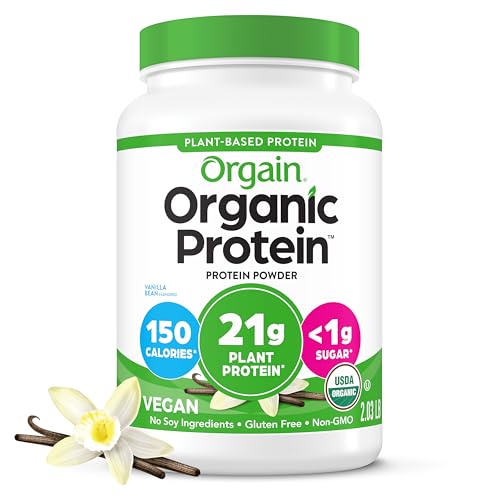
Orgain Organic Vegan Protein Powder, Vanilla Bean – 21g Plant Protein, 6g Prebiotic Fiber, No Lactose Ingredients, No Added Sugar, Non-GMO, For Shakes & Smoothies, 2.03 lb (Packaging May Vary)
CLEANER INGREDIENTS: 21g of Organic plant based protein and 1g sugar. Our protein blend contains Organic peas, brown…
As an affiliate, we earn on qualifying purchases.
As an affiliate, we earn on qualifying purchases.
Conclusion
Think of your life as a garden. The Blue Zones show you how to plant seeds of healthy habits—simple, nourishing choices that grow into vibrant, enduring blooms. Just as a gardener tends patiently, you can nurture longevity by embracing community, purpose, and balance. Remember, the secret isn’t in grand gestures but in daily acts of care. Cultivate your own garden of well-being, and watch it flourish into a lifetime of beauty and vitality.

Mindful Eating: A Guide to Rediscovering a Healthy and Joyful Relationship with Food (Revised Edition)
As an affiliate, we earn on qualifying purchases.
As an affiliate, we earn on qualifying purchases.

Mind Brain Emotion 52 Essential Social Skills Lessons & Teaching Tool Kit – Social Emotional Learning Activities for Parents, Teachers, School Counselor (Kindergarten, Elementary Kids)
Winner, Parents' Favorite Award: Modern-day social stories for teaching social skills for kids. Tools created by Harvard educator…
As an affiliate, we earn on qualifying purchases.
As an affiliate, we earn on qualifying purchases.