
TL;DR

Get health and wellness essentials delivered free with Prime
- Fast, free delivery on millions of items
- Prime Video, Amazon Music and more included
- Member-only deals all year
Cellino has launched Reservoir, a service that collects and cryopreserves adults’ immune cells for about $5,000, plus $270 a year after the first year. The cells are stored for possible future medical use, but no specific future treatment or health benefit is established by the launch report.
Biotech company Cellino has launched Reservoir, a service that collects and cryopreserves adults’ immune cells for potential future medical use, at a starting price of about $5,000. The service is initially available in selected U.S. markets. The launch report does not identify established future clinical uses for cells stored by healthy adults.
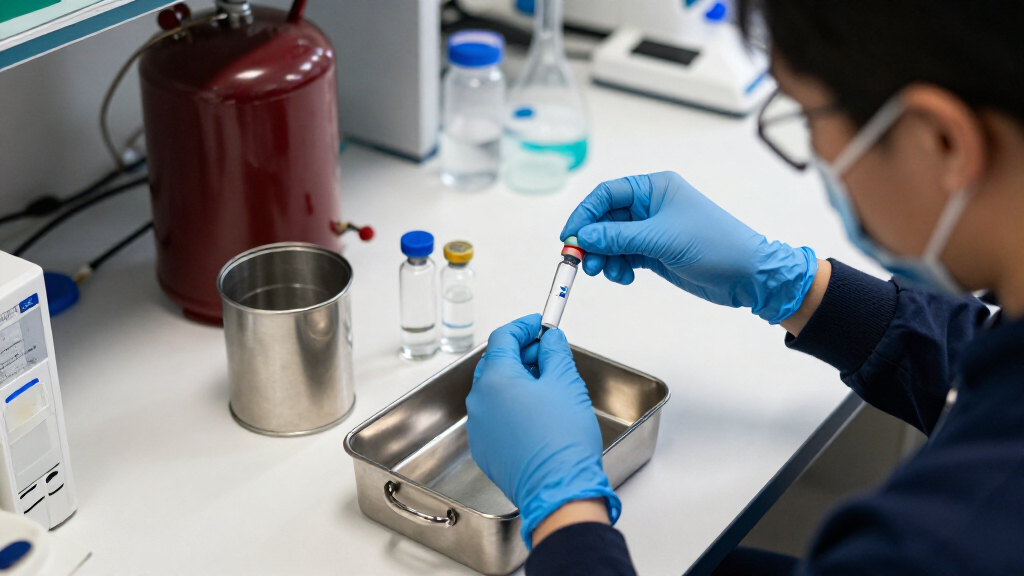
Reservoir begins with a standard blood draw at a partner clinic or, in select locations, an at-home appointment. Cellino says it isolates peripheral blood mononuclear cells, or PBMCs, which include T cells, B cells, natural killer cells and monocytes. The cells are counted, cryopreserved at temperatures below minus 150 degrees Celsius and stored at an FDA-registered facility, according to the company.
The listed price typically starts at about $5,000, covering collection, processing, preservation and the first year of storage; the annual storage fee after that is $270. Pricing can vary by clinic. Cellino says the cells are held under the member’s name with documented tracking, and can be released only at the member’s request in coordination with a licensed physician.
The service is open to adults 18 and older. Reservoir is initially available through partner clinics in markets including San Francisco, Los Angeles, New York and Boston. At-home collection is offered in select areas, with other markets planned, according to the report. Consumers can check availability or join a nationwide waitlist through Reservoir’s website.
A New Consumer Cell-Banking Market
Reservoir is a paid consumer service for collecting and storing immune cells. Cellino presents the service as a way to preserve cells collected earlier in life for possible future medical use. The launch report does not establish that the service prevents disease, extends life or guarantees access to a future treatment.
The service has an upfront cost of about $5,000 and an annual storage fee after the first year. The report does not specify which future treatments, if any, could use a customer’s stored cells or whether such treatments would be clinically available. Reservoir is among consumer services marketed around long-term health planning, alongside products such as wearables and blood tests.
As an affiliate, we earn on qualifying purchases.
Cellino’s Shift Toward Consumers
Cellino, based in Cambridge, Massachusetts, was co-founded in 2017 by Nabiha Saklayen and Marinna Madrid after their research at Harvard. The company develops AI-powered technology for manufacturing personalized cell therapies. The original report says Cellino has raised more than $96 million from investors and received an award of up to $25 million from the Advanced Research Projects Agency for Health; it also says the company’s manufacturing platform received an FDA Advanced Manufacturing Technology designation.
Cellino says questions from people who heard about its work helped prompt the consumer service. CEO Saklayen compared the idea with egg freezing and cord blood banking, while acknowledging that future uses for stored immune cells are less clearly defined. Cryopreservation is established as a process, but that does not by itself establish that proactively storing immune cells will benefit healthy customers.
““Cell preservation is unique because it is fundamentally about optionality.””
— Jay Luthar, Harvard Medical School faculty member and founder of partner clinic Lutanen Health
cryopreservation blood collection kit
As an affiliate, we earn on qualifying purchases.
As an affiliate, we earn on qualifying purchases.
Future Uses Remain Unproven
The launch information does not identify a specific approved treatment that Reservoir customers can expect to receive using their stored cells. It also does not establish whether a customer’s sample will be suitable for a future therapy, what processing might be needed, or what any later medical use would cost. Those questions depend on future science and clinical decisions.
The report describes storage at an FDA-registered facility and cites an FDA designation for Cellino’s separate manufacturing platform. It does not say that the FDA has approved Reservoir as a treatment or determined that banking cells improves longevity. Cellino’s claims about ownership, tracking and release procedures are company statements; details of long-term storage terms, sample viability over time and procedures if the service changes are not specified in the supplied report.
As an affiliate, we earn on qualifying purchases.
Availability Expands Market by Market
Cellino says it plans to add markets beyond the initial clinic locations, while at-home collection remains limited to select areas. Prospective customers can use Reservoir’s website to check local availability or join the nationwide waitlist. The company has not provided a timetable for the additional markets in the source report.
Developments to watch include whether Cellino expands access and whether clinical research identifies defined uses for banked immune cells. The launch report does not establish Reservoir as a longevity treatment.
As an affiliate, we earn on qualifying purchases.
Key Questions
What does Cellino’s Reservoir service do?
Reservoir collects a blood sample, isolates peripheral blood mononuclear cells and cryopreserves them for potential future medical use, according to Cellino.
How much does immune cell banking cost?
The reported starting price is about $5,000, generally including collection, processing, cryopreservation and the first year of storage. The annual fee after the first year is $270; prices may vary by clinic.
Does banking immune cells prevent aging or disease?
The source report does not establish that it does. Cellino presents the service as a way to preserve cells for possible future use, while the value of proactive immune cell banking for healthy adults remains uncertain.
Where is Reservoir available?
The service launched through partner clinics in markets including San Francisco, Los Angeles, New York and Boston. At-home collection is available in select locations, and Cellino says additional markets are planned.
Who can request the stored cells?
Cellino says members retain ownership and that cells can be released at the member’s request in coordination with a licensed physician. The report does not provide further detail on how a later medical use would be arranged.
Source: rss
Cold & flu season Picks
humidifiers
As an affiliate, we earn on qualifying purchases.