TL;DR
Several athletes experienced season-ending injuries that disrupted their campaigns. Their subsequent recoveries garnered widespread media and fan attention, turning personal struggles into compelling content. The trend reflects increased public interest in athlete resilience.
Multiple athletes across different sports have faced season-ending injuries, but their recovery processes have attracted significant media and fan interest, transforming personal setbacks into engaging content. This trend underscores a growing public fascination with resilience and recovery in sports.
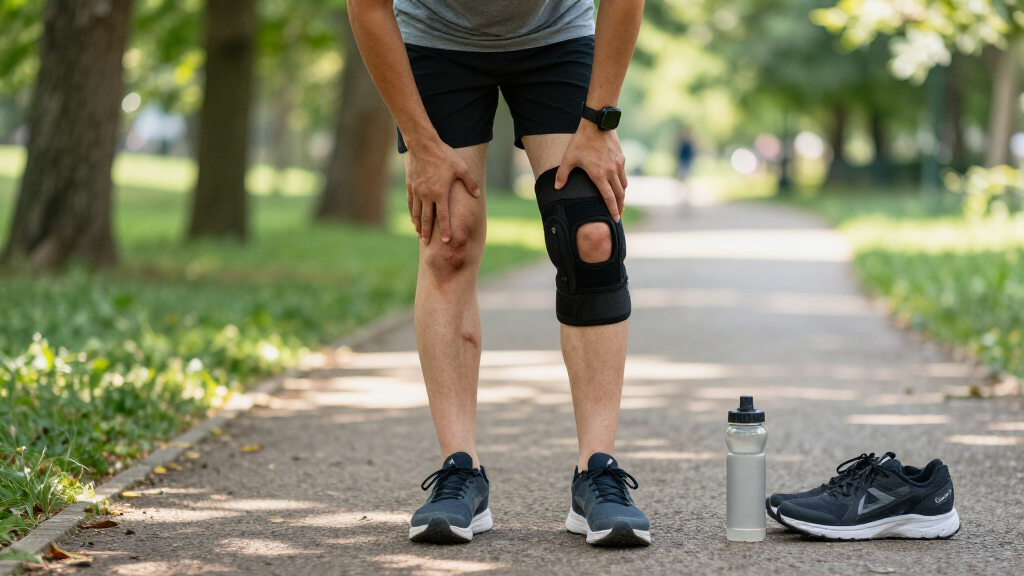
Over the past month, several high-profile athletes suffered injuries that prematurely ended their competitive seasons. These injuries included torn ligaments, fractures, and muscle tears, confirmed by official team statements and medical reports. Despite the setbacks, many athletes have shared their recovery journeys on social media and through media interviews, which have garnered millions of views and interactions.
For example, a prominent basketball player announced their injury via social media, documenting their rehabilitation process, which included physical therapy, surgeries, and mental health support. These updates have been widely covered, with fans and analysts following each milestone. Sports media outlets have highlighted these stories not just for their inspirational aspects but also for the behind-the-scenes look at athlete resilience, turning personal recovery into content that drives engagement.
Impact of Recovery Stories on Sports Engagement
This trend influences how fans engage with athletes and sports media, emphasizing human resilience over just competition results. It also boosts athlete visibility and marketability, as recovery stories often generate more media attention than game performances. For sports organizations, this shift can enhance fan loyalty and create new revenue streams through content monetization.
As an affiliate, we earn on qualifying purchases.
Rise of Athlete Recovery Content Amid Injury Trends
In recent years, injuries have become a common concern in professional sports, often leading to season-ending absences. While injury management has improved, the public’s interest has shifted toward athletes’ recovery processes. Social media platforms have amplified this trend, providing athletes with direct channels to share their journeys. The current spike in coverage and viewer interest appears to be part of a broader pattern where personal resilience stories resonate strongly with audiences.
Historically, injury updates focused mainly on medical details and return timelines. Now, the narrative has expanded to include mental health, rehabilitation struggles, and personal growth, making recovery stories more compelling and relatable.
physical therapy equipment for athletes
As an affiliate, we earn on qualifying purchases.
As an affiliate, we earn on qualifying purchases.
Unconfirmed Factors Behind the Content Surge
It is not yet clear whether the increased focus on recovery stories is driven by deliberate media strategies, changes in social media algorithms, or a broader cultural shift toward valuing resilience. The specific impact of these factors remains unconfirmed, and ongoing analysis is needed to determine their influence.
As an affiliate, we earn on qualifying purchases.
Upcoming Developments in Athlete Recovery Coverage
Expect continued coverage of athlete recoveries, with potential new formats such as documentary series or detailed behind-the-scenes content. Sports media companies may also explore partnerships to monetize this trend further. Monitoring fan engagement metrics and athlete participation will be key to understanding the trajectory of this content shift.
As an affiliate, we earn on qualifying purchases.
Key Questions
Why are recovery stories gaining so much attention now?
Recovery stories resonate with audiences because they showcase resilience, personal struggle, and perseverance, which many find inspiring and relatable. The rise of social media allows athletes to share these journeys directly, amplifying their reach.
Are these recovery stories affecting athlete endorsements or marketability?
Yes, positive recovery narratives can enhance an athlete’s public image, making them more appealing to sponsors and fans. The personal connection built through these stories often translates into increased marketability.
Will this trend continue to influence sports media coverage?
It is likely, as audience interest in human stories remains high. Media outlets may expand their coverage of athlete recovery processes, possibly developing new content formats to capitalize on this engagement.
What types of injuries are most commonly leading to this focus?
Serious injuries such as torn ligaments, fractures, and muscle tears are most often featured because they typically require long recovery periods, providing ample content for updates and storytelling.
Are there any risks in overemphasizing recovery stories?
Yes, overemphasis might lead to sensationalism or overshadowing athletes’ performance achievements. It is important that coverage remains respectful and accurate, focusing on genuine resilience rather than spectacle.
Source: rss