
TL;DR
A Sixty and Me contributor says she stopped drinking at 63 after decades of heavy wine consumption and now, at 75, leads a sobriety community, hosts a podcast and has written a book. Her account offers seven personal lessons about alcohol and retirement, but the supplied report provides no independent evidence that her experience applies to everyone.
A Sixty and Me contributor says she quit drinking at 63 after decades of consuming what she describes as too much wine, and now, at 75, has founded an international sobriety community, started a podcast and written her first book. Her first-person account challenges the idea of wine as a routine retirement reward, while presenting personal experience rather than independent evidence about how alcohol affects all older adults.

Get health and wellness essentials delivered free with Prime
- Fast, free delivery on millions of items
- Prime Video, Amazon Music and more included
- Member-only deals all year
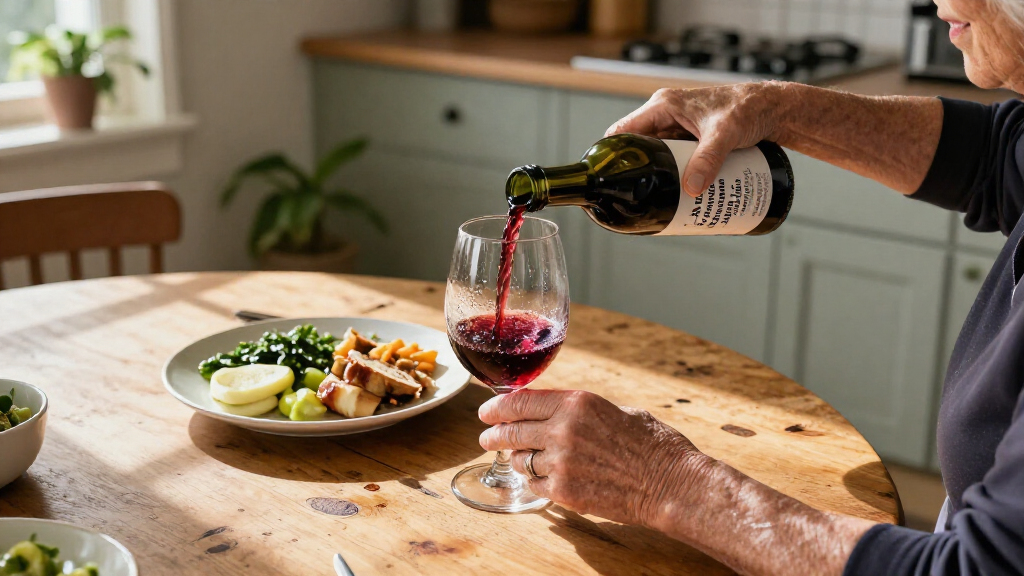
The contributor recalls picturing retirement as a quiet garden, a book and a glass of white wine. In her account, however, she came to question whether drinking was helping her enjoy that life. She says she had a successful career, home, marriage and social life, but also worried about how much she drank and repeatedly tried to cut back.
Her seven lessons include not waiting for a crisis to reconsider drinking, recognizing that alcohol may affect sleep and mood, and questioning its role as a stress reliever. She says wine initially seemed to help her relax, but she later associated drinking with anxiety and with responses to many emotions. These are her observations about her own experience, not findings established by the article for every reader.
She also describes years of trying to moderate by counting units, setting rules and restricting drinking to weekends. She says those efforts did not last, and argues that changing her habits required a plan and support. The supplied source cuts off after the heading for lesson five, “You Need Friends Who Understand”; it does not provide the complete list of seven lessons.
A Retirement Habit Under Scrutiny
The account speaks to readers who have come to view an evening drink as a deserved part of retirement. Its central point is that people do not need to wait for a dramatic personal crisis before reflecting on whether drinking fits their lives. That is the contributor’s advice, rather than a diagnosis or a claim that any particular reader has a drinking problem.
Her story also draws attention to the practical consequences of changing a long-standing habit: routines, social occasions and ways of coping with stress may all be involved. She says she built strategies and sought a community as part of her own change. Readers considering changes to their drinking should note her warning that stopping suddenly can be dangerous for someone who is physically dependent, and should seek medical advice before doing so.
Products Worth Considering

Oral-B iO Series 3 Rechargeable Electric Toothbrush for Adults, Black, with 2 Brush Heads and Travel Case

Fitbit Charge 5 Health and Fitness Tracker with Built-In GPS, Stress Management, Sleep Tracking, and 24/7 Heart Rate Monitoring

Therabody Theragun Relief Massage Gun, 3-Speed, Navy
As an affiliate, we earn on qualifying purchases.
From Wine Ritual to Sobriety Work
The piece is a first-person reflection published by Sixty and Me, a publication focused on women over 60. The writer describes drinking for decades and stopping at 63; by 75, she says, she had established a sobriety community, launched a podcast and written her first book. The supplied material does not name the contributor or provide dates for those milestones.
Her account moves from a retirement fantasy centered on a glass of wine to a description of efforts to understand and change her drinking. It also promotes her book’s “sober toolkit,” including practical strategies for cravings and social situations and a written list of personal reasons for change. That advice is presented by the author and is not accompanied in the supplied material by studies, health-agency guidance or a detailed account of the evidence.
What the Account Cannot Establish
The supplied report does not identify the writer, give a publication date, or include the full text of all seven lessons. It also provides no independent research or clinical sources to support broad conclusions about alcohol, ageing, anxiety or sleep. The writer’s experiences should not be treated as proof that wine caused her symptoms or that others will have the same results.
Details of her drinking, health, support and outcomes are not supplied, so readers cannot assess how closely her circumstances compare with their own. The source does include a safety warning about possible physical dependence, but does not explain how to assess dependence or describe withdrawal symptoms.
Further Lessons and Health Guidance
The source material ends as the writer introduces her fifth lesson, leaving the remaining advice unavailable here. Her article points readers toward her book and sobriety community, but the supplied text does not state what support those resources provide or whether they include professional health care. No new study, policy change or follow-up announcement is reported.
For readers weighing a change, the writer’s account is a prompt for reflection, not a substitute for individualized medical guidance. She specifically cautions that people who may be physically dependent should consult a medical professional before stopping suddenly.
Key Questions
What is the news in this story?
A Sixty and Me contributor has shared a first-person account of quitting drinking at 63 and seven lessons she says she learned. The supplied text contains only the beginning of the list, ending at the heading for lesson five.
What changed after the contributor stopped drinking?
She says that by 75 she had founded an international sobriety community, started a podcast and written her first book. She also describes having more energy after quitting, but that is her personal account.
Does the article prove wine causes tiredness or anxiety in older adults?
No. The supplied material presents the contributor’s own interpretation and does not include independent studies establishing that her experience applies to other people.
Is it safe to stop drinking suddenly?
The contributor warns that stopping suddenly can be dangerous for someone who is physically dependent on alcohol and advises seeking medical advice before making changes. The source does not provide individual medical guidance.
Source: rss