
TL;DR

Get health and wellness essentials delivered free — and shop member deals
- Fast, free delivery on millions of items
- Access to Prime Big Deal Days deals on October 6–7
- Prime Video, Amazon Music and more included
The FDA has issued a recall of specific levothyroxine sodium tablets in 2026 amid quality issues. Patients are advised to consult their healthcare providers. The full scope and affected batches are still being determined.
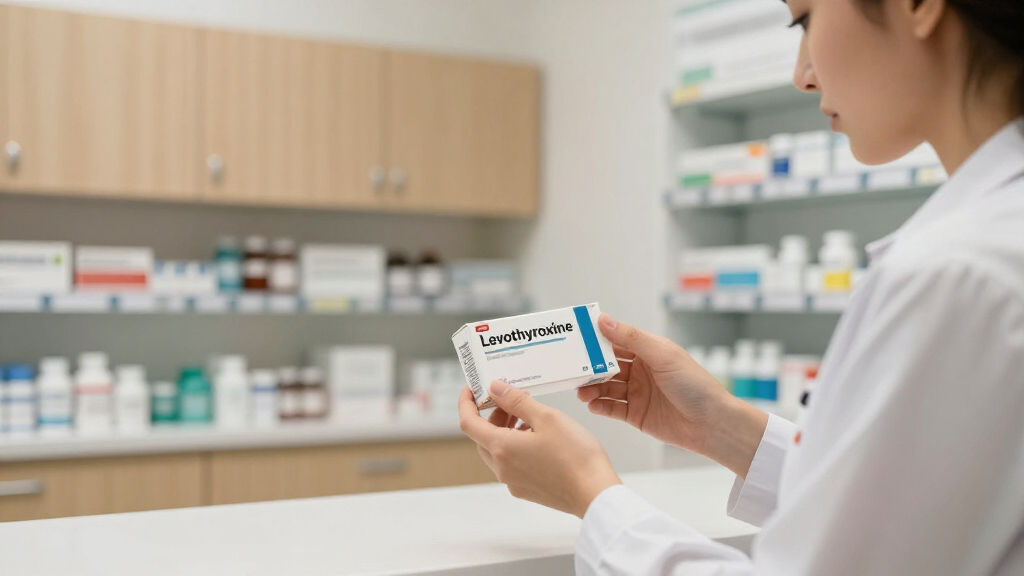
The Food and Drug Administration (FDA) has announced a recall of specific levothyroxine sodium tablets in 2026 due to quality and contamination concerns. The recall affects multiple batches distributed across the United States, prompting health authorities to advise patients to consult their healthcare providers. This recall is significant because levothyroxine is a widely prescribed medication for thyroid hormone replacement, and disruptions could impact thousands of patients relying on it daily.
The FDA’s recall, announced on March 15, 2026, involves several batches of levothyroxine sodium tablets manufactured by a major pharmaceutical company. The agency cited concerns over potential contamination and deviations from manufacturing standards, which could compromise medication safety and efficacy. Patients currently taking levothyroxine are urged not to stop medication without medical advice and to check with their pharmacies or healthcare providers for specific batch information. The affected batches are being identified, and the company has initiated a voluntary recall to prevent further distribution.
According to the FDA, no confirmed reports of adverse health events have been linked directly to the recalled batches so far, but the potential risk has prompted the recall. The manufacturer has issued a statement acknowledging the recall and is cooperating with regulators to address the issue. The recall impacts both brand-name and generic levothyroxine tablets, which are commonly prescribed for hypothyroidism and other thyroid-related conditions.
Implications for Patients and Healthcare Providers
This recall is significant because levothyroxine is one of the most prescribed medications in the United States, with millions relying on it for thyroid hormone replacement. Disruptions in medication availability or quality could lead to symptoms of hypothyroidism or hyperthyroidism, affecting patient health. Healthcare providers must verify the batches their patients are using and consider alternative options if necessary. The recall also raises concerns about manufacturing standards and regulatory oversight of critical medications.
levothyroxine alternative medication
As an affiliate, we earn on qualifying purchases.
As an affiliate, we earn on qualifying purchases.
Background on Levothyroxine and Recent Manufacturing Issues
Levothyroxine has been a standard treatment for hypothyroidism for decades, with millions of prescriptions annually. In recent years, there have been periodic recalls related to manufacturing defects or contamination, prompting increased scrutiny from regulators. The current recall in 2026 follows similar previous incidents, but it is the largest in scope in recent years. The FDA has been monitoring manufacturing practices closely, and this recall underscores ongoing concerns about quality control in the pharmaceutical industry.
“The safety and efficacy of medications are our top priorities. We are working with the manufacturer to address the issues and ensure patient safety.”
— FDA spokesperson
thyroid hormone replacement supplements
As an affiliate, we earn on qualifying purchases.
As an affiliate, we earn on qualifying purchases.
Details Still Emerging on Affected Batches and Risks
It is not yet clear which specific batches are affected or the full scope of the contamination risk. No confirmed adverse events have been reported, but the potential health impact remains under investigation. The FDA has not released detailed batch information, and the exact cause of the manufacturing issues is still being determined.
As an affiliate, we earn on qualifying purchases.
Next Steps for Patients and Regulators
Regulators and the manufacturer are expected to release detailed information about the affected batches in the coming days. Patients are advised to check their medication labels and consult healthcare providers for guidance. The FDA will continue monitoring the situation and may issue further updates or additional recalls if necessary. Healthcare providers will need to verify patient medications and consider alternative treatments if required.
As an affiliate, we earn on qualifying purchases.
Key Questions
Should I stop taking my levothyroxine medication?
No. Patients should not stop their medication without consulting their healthcare provider. If your medication is from an affected batch, your provider will advise on the next steps.
How can I find out if my medication is affected?
You should check the batch number printed on your medication packaging and compare it with information provided by your pharmacy or the FDA’s recall notices. Contact your healthcare provider for personalized advice.
What are the potential health risks of contaminated levothyroxine?
Contamination or manufacturing deviations could potentially lead to ineffective treatment or adverse reactions, especially in vulnerable populations. However, no confirmed adverse events have been reported yet.
When will the FDA release more details about the affected batches?
The FDA has indicated that detailed batch information will be provided soon as investigations progress. Patients and providers should stay alert for official updates.
Will there be a replacement or compensation for affected patients?
It is too early to determine. Patients should consult their healthcare providers for guidance on alternative treatments and follow official instructions for the recall process.
Source: google-trends
Cold & flu season Picks
humidifiers
As an affiliate, we earn on qualifying purchases.