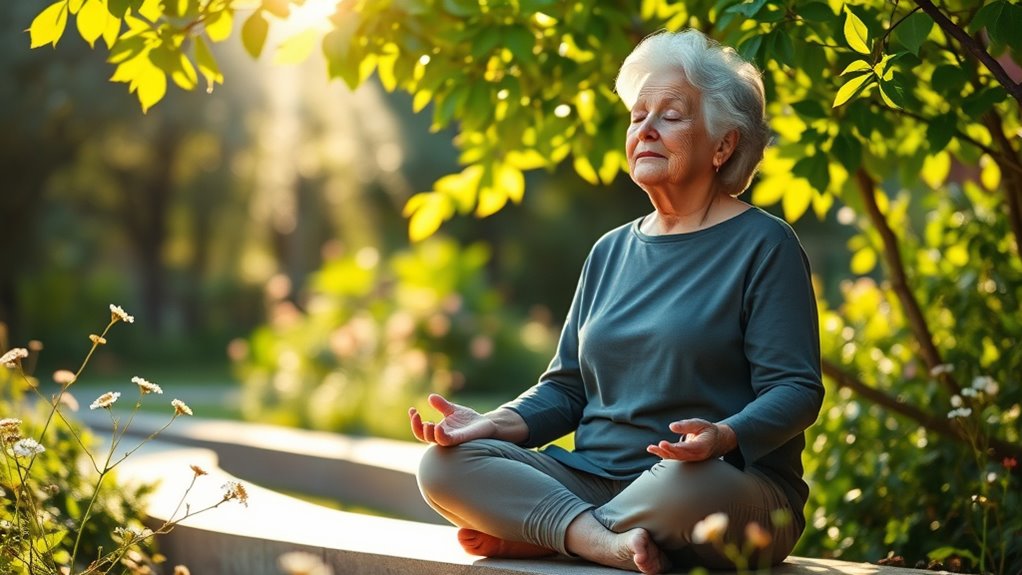

Practicing mindfulness helps you reduce stress, which is crucial for staying healthy and prolonging your life. By incorporating daily techniques like deep breathing, body scans, or meditation, you can lower cortisol levels and decrease inflammation. Managing stress effectively supports your immune system, improves sleep, and slows cellular aging. The more consistently you practice, the better your overall health and vigor become. Keep exploring to discover how ongoing mindfulness can truly enhance your longevity.
Key Takeaways
- Mindfulness practices lower cortisol levels, reducing stress-related cellular damage and promoting healthier aging.
- Regular meditation enhances immune function, helping the body resist age-related illnesses.
- Stress management through mindfulness decreases inflammation, supporting overall health and longevity.
- Incorporating daily mindfulness techniques improves mental resilience, reducing chronic stress impacts.
- Long-term mindfulness reduces risk factors for chronic diseases like heart disease and diabetes, extending lifespan.

Have you ever wondered how mindfulness can help you live a longer, healthier life? The answer lies in understanding the powerful connection between mental well-being and physical health. Practicing mindfulness isn’t just about calming your mind in the moment; it’s a tool that can promote longevity by reducing stress and improving your overall quality of life. Among the many benefits of mindfulness, meditation stands out as a particularly effective way to harness these advantages. Meditation benefits include lowering blood pressure, boosting immune function, and enhancing emotional resilience, all of which contribute to a longer, healthier life. When you incorporate meditation into your daily routine, you’re actively engaging in stress management techniques that can considerably cut down the harmful effects of chronic stress.
Stress is a silent killer that impacts your body in numerous ways, from increasing inflammation to impairing cellular repair. Over time, unmanaged stress can accelerate aging and increase your risk of chronic diseases such as heart disease, diabetes, and neurodegeneration. That’s where mindfulness and meditation benefits come into play. By dedicating even a few minutes each day to mindfulness practices, you create a mental space that helps you respond to stress more effectively. These stress management techniques, like focused breathing, body scans, or loving-kindness meditation, teach you to observe your thoughts without judgment, reducing the emotional charge that often fuels stress. When you’re less overwhelmed by stress, your body produces fewer stress hormones like cortisol, which in excess can damage your arteries and impair your immune system.
Implementing mindfulness into your daily life can be straightforward. Set aside time for meditation or deep breathing exercises, especially during stressful moments or at the start and end of your day. As you develop a consistent practice, you’ll notice your ability to manage stress improves, and this mental clarity benefits your physical health. The cumulative effect of reduced stress levels is profound; it can slow down cellular aging, enhance your sleep quality, and improve your overall vitality. When you prioritize stress management techniques rooted in mindfulness, you’re actively investing in your long-term health. You’re not just calming your mind temporarily—you’re fostering resilience, reducing inflammation, and supporting your body’s natural defenses. All of these factors contribute to living a longer, more vibrant life, making mindfulness a crucial part of your health journey. Additionally, engaging in mindfulness practices can help you cultivate emotional stability, which is essential for maintaining a healthy mind and body over time.
Frequently Asked Questions
Can Mindfulness Practices Replace Medical Treatments for Aging?
Mindfulness practices can’t replace medical treatments for aging, but they complement them. While mindfulness vs medication have different roles, holistic health approaches integrate both to improve overall well-being. You should continue medical treatments recommended by your healthcare provider and incorporate mindfulness to reduce stress, boost immune function, and promote longevity. Combining these strategies creates a balanced approach, supporting healthier aging rather than relying solely on either mindfulness or medication.
How Quickly Can I See Benefits From Mindfulness on Lifespan?
You can notice benefits from mindfulness on lifespan in just a few weeks. As you practice, your brain plasticity enhances, making your mind more adaptable and resilient. You’ll see emotional resilience grow stronger, helping you handle stress better. With consistent effort, the positive changes can seem to ripple through your entire life, like a wave that’s impossible to ignore, boosting your chances of living longer and healthier.
Is Mindfulness Effective for All Age Groups Equally?
Mindfulness benefits all age groups, but age-specific benefits vary across developmental stages. As you grow, mindfulness can help reduce stress, improve focus, and boost emotional resilience, though younger or older individuals might experience different advantages. For children, it aids in emotional regulation; for adults, it reduces chronic stress; and seniors may find it enhances mental clarity. Tailoring mindfulness practices to your age and needs maximizes its effectiveness.
Are There Any Risks or Side Effects to Practicing Mindfulness Regularly?
Like a double-edged sword, mindfulness risks exist if practiced improperly, especially for your mental health. You might encounter increased anxiety or emotional discomfort if confronting difficult thoughts becomes overwhelming. While generally safe, it’s essential to practice mindfully and seek guidance if needed. Ignoring potential risks could lead to unintended mental health setbacks, so stay aware of your feelings and adjust your practice to protect your well-being actively.
How Does Mindfulness Compare to Other Stress Reduction Techniques?
Mindfulness often outperforms medication for stress management because it encourages active awareness and long-term mental resilience. Compared to other stress management techniques like deep breathing or exercise, mindfulness provides a holistic approach that helps you recognize stress triggers and respond calmly. While each method has benefits, mindfulness promotes sustained emotional regulation, making it a valuable, low-risk option for reducing stress and supporting longevity.
Conclusion
By practicing mindfulness daily, you can substantially boost your chances of living longer. Imagine Sarah, a busy professional who dedicates just ten minutes each morning to meditation. Over time, she notices reduced stress and improved health, inspiring her to stay committed. Your journey to longevity starts with small, mindful choices. Embrace mindfulness today, and you could be the next success story, enjoying more vibrant years ahead.