
TL;DR
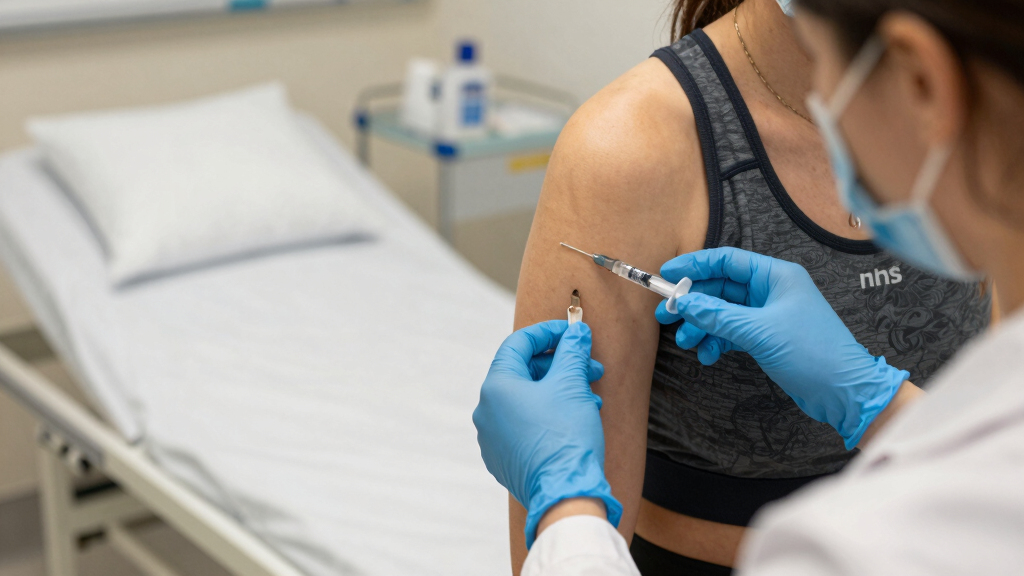
The NHS has announced a substantial funding increase to enhance healthcare services across England. This move aims to address longstanding issues like waiting times and staff shortages. The details are still being finalized, and the impact will unfold over the coming months.
The NHS has confirmed a significant increase in funding aimed at improving patient care and reducing waiting times across England. The announcement was made by Health Secretary Jane Smith today, highlighting the government’s commitment to healthcare reform amid ongoing staffing and capacity challenges. This development is expected to impact millions of patients and healthcare workers nationwide.
According to the Department of Health and Social Care, the funding boost totals £3 billion over the next year, with a focus on expanding hospital capacity, recruiting additional staff, and investing in digital health initiatives. NHS England has stated that the funds will primarily be directed toward reducing the backlog of elective procedures and improving emergency care services.
Officials emphasized that this funding is part of a broader strategy to address systemic issues within the NHS, including longstanding staff shortages and increasing patient demand. The government also announced plans to improve mental health services and expand community care programs, although specific allocations for these areas are yet to be detailed.
Why the Funding Increase Could Transform NHS Services
This funding boost is significant because it aims to tackle critical issues like long waiting times, which have been a persistent problem for years. The increase could lead to shorter delays for elective surgeries and faster emergency response times, directly affecting patient outcomes. For healthcare workers, additional resources may improve working conditions and reduce burnout, potentially attracting more staff to the sector.
However, the actual impact depends on how quickly and effectively the funds are allocated and managed. The announcement signals political commitment to NHS reform, which could influence future policy decisions and funding levels.

Alternating Air Pressure Mattress Pad for Hospital & Home – Prevention Bed Sores, Ultra-Quiet Pump, Digital Display & Remote Control, Suitable for Bedridden or Limited Mobility Patients
- Clinically Recommended for Bed Sores: Prevents and manages pressure ulcers
- Ultra-Quiet Pump: Ensures peaceful, noise-free operation
- Digital Display & Remote: Easy customization of airflow and pressure
As an affiliate, we earn on qualifying purchases.
As an affiliate, we earn on qualifying purchases.
Background on NHS Funding and Challenges
The NHS has faced ongoing challenges related to funding shortfalls, staff shortages, and increasing patient demand. Over the past decade, government funding has fluctuated, but many hospitals and clinics have struggled to keep up with rising workloads. Waiting times for elective procedures and emergency care have often exceeded national targets, prompting calls for increased investment.
Previous funding announcements have sometimes been followed by delays or limited implementation, leading to skepticism about the government’s commitment. The current announcement marks one of the largest funding increases in recent years, reflecting a recognition of the urgent need for reform.
“This funding demonstrates our commitment to delivering better care for patients and supporting our healthcare workforce. We are investing in the NHS to ensure it can meet the demands of the future.”
— Health Secretary Jane Smith

Dagacci Medical Uniform Womens and Mens Scrub Set Unisex Medical Scrub Shirt Top and Pant, Navy, Small,
- Comfortable Fabric Blend: Cotton and polyester for softness and durability
- Modern V-Neck Top: Double-stitched for a crisp, professional look
- Adjustable Fit Pants: Drawcord waist for a secure, personalized fit
As an affiliate, we earn on qualifying purchases.
As an affiliate, we earn on qualifying purchases.
Unclear Details on Allocation and Implementation Timeline
While the total funding amount has been announced, it is still unclear how the funds will be distributed across regions and specialties. The specific timelines for seeing tangible improvements in waiting times and staffing levels remain to be confirmed. Additionally, there is uncertainty about whether additional funding will be sustained long-term or if this is a temporary measure.
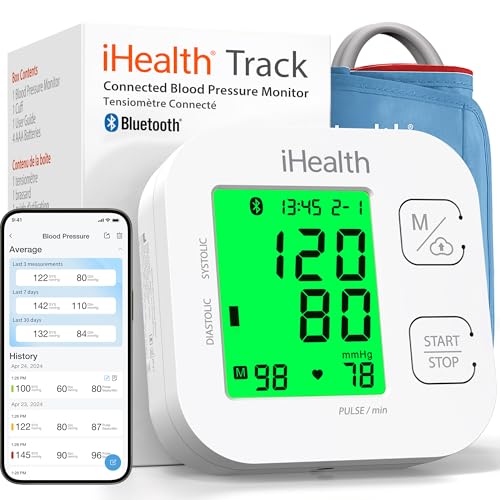
iHealth Track Smart Upper Arm Blood Pressure Monitor with Wide-Range Cuff
- Clinically Accurate: Easy operation, no calibration needed
- Large Multi-Color Display: Oversized numbers with color-coded indicators
- Easy Data Management: Store up to 99 readings, unlimited via app
As an affiliate, we earn on qualifying purchases.
As an affiliate, we earn on qualifying purchases.
Next Steps for NHS Funding Deployment and Monitoring
The Department of Health is expected to release detailed plans on how the funds will be allocated within the next few weeks. NHS Trusts will begin implementing new initiatives, with progress monitored through regular reports. Stakeholders, including patient groups and healthcare staff, will likely scrutinize the effectiveness of the spending over the coming months.
Further government announcements may clarify long-term funding commitments and additional reforms aimed at strengthening NHS capacity and efficiency.

OLIXIS Waiting Room Chairs Set of 4, Side Guest Chairs for Conference
- Ergonomic and Stylish Design: Supports natural spine curve with elegant PU leather
- Comfortable Support and Extended Seating: High-density foam cushions and padded armrests
- High-Quality Durable Materials: Breathable, water-resistant leather with rust-resistant frame
As an affiliate, we earn on qualifying purchases.
As an affiliate, we earn on qualifying purchases.
Key Questions
How much funding has the NHS received?
The NHS has announced an increase of £3 billion over the next year, aimed at improving services and reducing waiting times.
What will the funding be used for?
The funds will primarily go toward expanding hospital capacity, recruiting more staff, and investing in digital health initiatives. Specific allocations for mental health and community care are still being detailed.
When will patients start to see improvements?
While the funding has been announced, the timeline for tangible improvements depends on how quickly and effectively the funds are allocated and implemented. Changes may become visible over the next several months.
Is this funding a one-time increase?
The government has indicated that this is a significant one-year boost, with potential for future funding depending on ongoing assessments and political priorities.
Will staff shortages be addressed?
Yes, part of the funding is aimed at recruiting additional healthcare workers, although specific staffing targets and timelines are yet to be announced.
Source: google-trends