
To prevent age-related diseases, start with early detection by understanding your family history and working with healthcare providers for personalized screenings. Adopt healthy habits like balanced nutrition, regular exercise, adequate sleep, and stress management. Stay attentive to your body’s signals and practice mindfulness to make better health choices. Maintaining these proactive strategies is key, and following these tips will help you discover even more effective ways to stay healthier longer.
Key Takeaways
- Regular screenings tailored to genetic risks enable early detection of age-related diseases.
- Maintaining a balanced diet and healthy lifestyle reduces the risk factors associated with aging.
- Engaging in physical activity and mental exercises supports overall health and cognitive function.
- Mindfulness and attention to bodily cues promote early intervention and better health management.
- Combining proactive lifestyle choices with early detection strategies optimizes long-term disease prevention.

As you age, the risk of developing diseases like heart disease, diabetes, and Alzheimer’s increases. While some factors are beyond your control, understanding your genetic predispositions can help you take proactive steps. If your family history suggests a higher likelihood of certain conditions, you can work with your healthcare provider to tailor a prevention plan. This might include more frequent screenings or targeted lifestyle adjustments to catch early signs before they become serious. Recognizing genetic predispositions allows you to focus on specific areas where intervention can make a real difference, giving you a better chance to maintain health and independence longer.
Understanding your family history helps tailor proactive strategies to maintain health longer.
Nutritional interventions are a cornerstone of preventing age-related diseases. As your body ages, its nutritional needs change, and poor diet can accelerate the onset of chronic illnesses. Incorporating a balanced diet rich in fruits, vegetables, whole grains, lean proteins, and healthy fats supports your overall health. These foods provide essential nutrients that bolster your immune system, reduce inflammation, and improve cardiovascular health. Limiting processed foods, sugar, and saturated fats is equally important, as these can contribute to obesity, insulin resistance, and plaque buildup in arteries. Small, consistent dietary changes can considerably lower your risk of developing conditions like type 2 diabetes and heart disease.
Beyond diet, paying attention to other lifestyle factors enhances your ability to prevent age-related diseases. Regular physical activity helps manage weight, improves blood circulation, and maintains cognitive function. It’s not about intense workouts but consistent movement—walking, swimming, or yoga—that keeps your body resilient. Adequate sleep, stress management, and avoiding smoking or excessive alcohol also play essential roles in disease prevention. Staying socially engaged and mentally active challenges your brain, reducing the risk of Alzheimer’s and other dementias. By integrating these habits into your daily routine, you create a comprehensive defense against the deterioration that often accompanies aging.
Additionally, understanding the role of attention in your daily practices can significantly boost your health outcomes, as focused engagement enhances your ability to make mindful decisions about your lifestyle. By integrating these habits into your daily routine, you create a comprehensive defense against the deterioration that often accompanies aging.
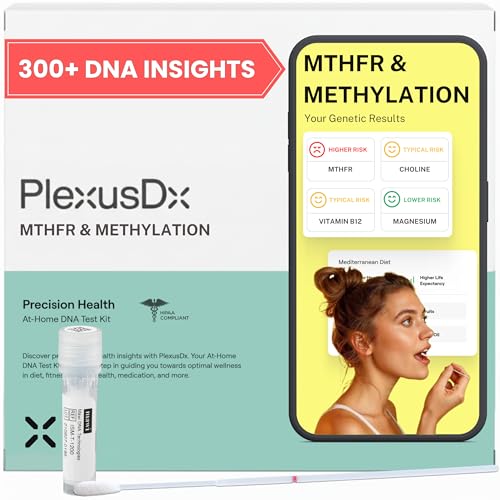
Genetic Methylation Test Kit & MTHFR Testing Kit | 300+ DNA Reports Including MTHFR Gene Variants, COMT, BHMT, AHCY and Folate | Custom Supplement & Meal Plan Recommendations with 10,000 Recipes
WHAT YOU GET: DNA reports related to Methylation Genetics , AHCY, BHMT, CBS, MTHFS, MTHFD1, MTHFD1L, MTR, MTRR,…
As an affiliate, we earn on qualifying purchases.
As an affiliate, we earn on qualifying purchases.
Frequently Asked Questions
What Are the Latest Advancements in Genetic Testing for Age-Related Diseases?
You should know that recent advancements in genetic testing focus on identifying genetic markers linked to age-related diseases. These markers help predict your risk more accurately. Predictive algorithms analyze your genetic data to assess disease likelihood, enabling early intervention. This personalized approach allows you to take proactive measures, potentially delaying or preventing disease onset. Staying informed about these innovations can empower you to make healthier choices based on your genetic profile.
How Do Socioeconomic Factors Influence Early Detection and Prevention Strategies?
Socioeconomic factors greatly influence your ability to access healthcare and benefit from early detection strategies. Limited healthcare access can delay diagnosis and treatment, increasing disease risk. Education disparities may prevent you from understanding the importance of preventive measures. To improve early detection and prevention, policies should focus on reducing healthcare inequities, expanding access, and providing targeted education, ensuring everyone can take proactive steps toward healthy aging regardless of their socioeconomic background.
Are There Specific Dietary Supplements Proven Effective for Preventing Age-Related Conditions?
You might think antioxidant supplements and herbal remedies are miracle cures, but evidence shows they only offer modest help. While some antioxidants, like vitamin E and C, may support your health, they can’t prevent age-related conditions outright. Herbal remedies can complement a balanced lifestyle, but relying solely on them isn’t enough. Focus on a nutritious diet, regular exercise, and medical checkups for real prevention and early detection.
How Can Technology Improve Personalized Prevention Plans for Aging Populations?
Technology can notably enhance your personalized prevention plans by using wearable devices that monitor your health metrics in real-time. AI algorithms analyze this data to identify early signs of age-related issues and suggest tailored lifestyle changes. This proactive approach helps you stay ahead of potential health problems, enabling timely interventions and more effective aging strategies. With these tools, you get a customized, dynamic plan that adapts to your evolving health needs.
What Role Do Mental Health and Social Engagement Play in Preventing Age-Related Decline?
Imagine your mind as a garden that needs tending—mental health and social engagement are the watering cans. When you nurture your mental well-being and stay socially connected, you actively reduce the risk of age-related decline. Engaging with others boosts cognitive resilience, while good mental health keeps stress at bay. Together, they form a powerful shield, helping you maintain independence and vigor as you age gracefully.

Nutrafol Women's Balance Hair Growth Supplements, Ages 45 and Up, Clinically Proven for Visibly Thicker Hair and Scalp Coverage, Dermatologist Recommended – 1 Month Supply
1-MONTH SUPPLY: One (1) bottle of Nutrafol Women's Balance Hair Growth Supplements for visibly thicker, fuller, stronger hair…
As an affiliate, we earn on qualifying purchases.
As an affiliate, we earn on qualifying purchases.
Conclusion
Think of your health as a garden that needs tending. By catching early signs of age-related diseases and nurturing healthy habits, you’re planting seeds that flourish over time. Neglecting this care risks weeds of illness taking over. Stay vigilant, make mindful choices, and tend to your well-being daily. That way, you’ll cultivate a vibrant, resilient garden—your best chance to enjoy the beauty of aging gracefully and healthfully.

DAVIKO Pedometer Watch Senior Friendly No App/Phone Required, Waterproof Fitness Tracker Watch with Step Counter Calories/Sleep Tracker for Walking Running for Men Women
No APP & Phone Required Pedometer Watch: The pedometer watch can be used seperately without APP or smartphone…
As an affiliate, we earn on qualifying purchases.
As an affiliate, we earn on qualifying purchases.

Smart Ring for Women Men,Fitness Tracker Ring,Heart Rate,Blood Oxygen,Step Tracker,Sleep Tracker,Meditation Assistance,No Subscription Fee,IP68 Waterproof Smart Ring for iphone&Android(Gold 7)
【Fitness tracker Ring】Warchody Smart ring can assist you in recording multidimensional data of various sports with advanced built-in…
As an affiliate, we earn on qualifying purchases.
As an affiliate, we earn on qualifying purchases.