
TL;DR

Get health and wellness essentials delivered free — and shop member deals
- Fast, free delivery on millions of items
- Access to Prime Big Deal Days deals on October 6–7
- Prime Video, Amazon Music and more included
A study published in Nature compared gut microbes in the Hadza of Tanzania and the Tsimane of Bolivia, finding that the groups share 1,231 bacterial species despite being separated for tens of thousands of years. Genetic analyses suggest many microbial lineages may have accompanied human populations during prehistoric migrations; the study does not establish whether losing these microbes causes chronic disease.
A Stanford-led study published October 7 in Nature found that the Hadza of Tanzania and the Tsimane of Bolivia share 1,231 gut bacterial species, despite their ancestors’ populations having been separated for tens of thousands of years. The researchers’ genetic analyses suggest that many of the microbes’ lineages may have traveled with humans during prehistoric migrations, offering evidence that some gut microbes have long been associated with human populations.
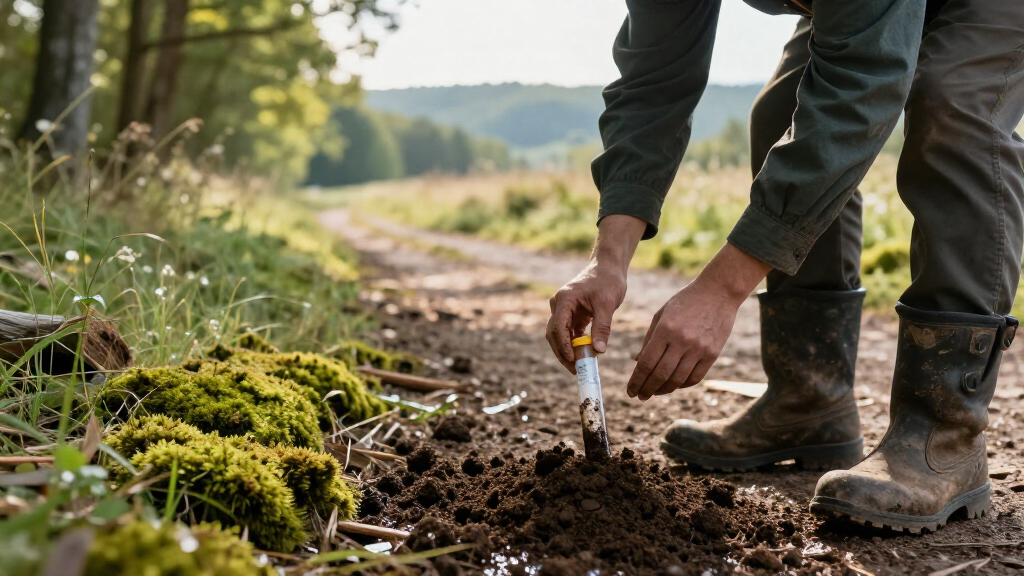
The researchers used deep metagenomic sequencing to identify microbes in stool samples from the Tsimane and compare them with previously sequenced Hadza samples. The approach reads DNA from many organisms in a sample, helping researchers detect species that are present at low abundance and can be missed by less detailed methods. The Tsimane samples had previously been studied at lower resolution.
In the new analysis, the Tsimane samples contained about 1,400 species, and the two groups shared 1,231 of them — about 90% of the species identified in the Tsimane microbiomes. The researchers said nearly 90% of the shared species were identified in the highly diverse Tsimane microbiomes. About 60% of the shared species are rare or entirely absent in microbiome samples from industrialized populations, according to the report.
The teams used several population-genetics methods to estimate when microbial strains diverged. For many species, the estimates fell within time frames associated with major human migrations out of Africa and into the Americas. Those estimates support an ancient history for the lineages, but they do not directly show how each microbe was transmitted between people or establish that every shared species has been continuously present in human populations since those migrations.
What Ancient Microbial Lineages Reveal
The findings add evidence that the human gut microbiome has a deep evolutionary history and that some bacteria found in contemporary non-industrialized populations may have been associated with humans for millennia. That matters because industrialized populations have markedly less gut microbial diversity than people living less industrialized lifestyles, according to the study’s background.
Researchers are investigating whether this biodiversity loss affects human biology or contributes to chronic conditions. The new study helps identify microbes and lineages that could be examined in that work, but it does not show that microbial loss causes autoimmune disease, Type 2 diabetes, obesity, or other conditions. The relationship between microbiome differences and those health outcomes remains unresolved.
probiotic supplements for gut health
As an affiliate, we earn on qualifying purchases.
As an affiliate, we earn on qualifying purchases.
Two Populations, Distinct Lifestyles
The Hadza are one of the few remaining hunter-gatherer groups, living in Tanzania. They hunt animals and forage for foods including tubers, berries, and other fruits and vegetables. The Tsimane are Indigenous forager-horticulturalists in the Bolivian Amazon who grow much of their food, including plantains, rice, manioc root, and corn, and also eat meat from fish and forest animals.
The groups’ ancestors became geographically separated tens of thousands of years ago, and their diets and ways of life differ. Yet the high species-level overlap prompted the study team to investigate whether some bacteria had persisted alongside human populations over long periods. Earlier work by Stanford researchers, published in Cell in 2023, reported that the average Hadza microbiome contained about 750 species, compared with about 250 in the average Californian. Those figures came from that earlier study and are not a direct measurement of the new comparison.
“Our study establishes that the hundreds of bacterial species that are rare or missing in industrialized microbiomes were ancient companions of ours as we migrated around the globe, likely passed from generation to generation for millennia.”
— Justin Sonnenburg, Stanford professor of microbiology and immunology and the study’s senior author
As an affiliate, we earn on qualifying purchases.
What the Findings Cannot Establish
The study’s migration timeline comes from genetic estimates of when microbial strains separated; it is not a direct record of ancient people carrying particular organisms. The findings support the possibility that microbial lineages traveled with human populations, but the supplied report does not establish the precise route or mechanism by which each species spread.
It is also unclear whether the microbes that are rare or absent in industrialized populations have specific effects on health, or whether their loss contributes to chronic disease. The study compares microbiomes across populations; it does not test whether restoring particular microbes would prevent or treat illness. The report does not give the sample size or enough methodological detail to assess how representative the sampled participants are of either population.
As an affiliate, we earn on qualifying purchases.
Further Research on Microbial Loss
The study provides a comparative foundation for further research into how gut microbial diversity has changed alongside industrialization and what those changes mean for human biology. Researchers would need additional evidence to connect particular missing lineages to specific health effects, including studies that can distinguish cause from association.
The report does not announce a specific next study or timetable. For now, the confirmed finding is the extensive overlap between the sampled Hadza and Tsimane microbiomes; the proposed connection between microbial lineages and ancient migrations is based on genetic estimates, while the health implications remain an open question.
As an affiliate, we earn on qualifying purchases.
Key Questions
Which groups’ gut microbiomes did the study compare?
Researchers compared samples from the Hadza in Tanzania, a hunter-gatherer group, and the Tsimane in Bolivia, Indigenous forager-horticulturalists.
How many bacterial species did the groups share?
The analysis found 1,231 shared bacterial species. That was about 90% of the roughly 1,400 species identified in the Tsimane samples.
Does the study prove gut microbial loss causes chronic disease?
No. The study examined microbial overlap and estimated lineage histories. It did not establish that the loss of particular microbes causes autoimmune disease, Type 2 diabetes, obesity, or other conditions.
How did the researchers estimate when microbial strains separated?
They applied several population-genetics methods to the microbes’ genetic data. For many species, the resulting estimates corresponded to time frames associated with major prehistoric human migrations, but the estimates do not directly document transmission.
Why are many of these microbes of interest?
About 60% of the shared species were reported to be rare or absent in industrialized populations’ microbiomes. Researchers are investigating whether losses in microbial diversity affect human biology, but the health consequences are not settled.
Source: rss
Halloween Picks
halloween
As an affiliate, we earn on qualifying purchases.