TL;DR
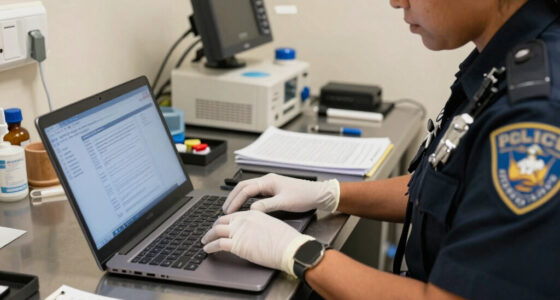
City health authorities are investigating a potential outbreak of Legionnaires’ disease in the Upper East Side. Several cases have been reported, prompting urgent testing and inspections. The investigation is ongoing to identify the source and prevent further infections.
New York City health officials are investigating a possible outbreak of Legionnaires’ disease in the Upper East Side, after multiple cases were reported in recent weeks. The investigation is ongoing to identify the source and prevent further infections. The investigation aims to identify the source and prevent further infections, as the city responds to what could be a public health concern related to Legionnaires’ disease.

Get health and wellness essentials delivered free with Prime
- Fast, free delivery on millions of items
- Prime Video, Amazon Music and more included
- Member-only deals all year
According to the New York City Department of Health, at least five confirmed cases of Legionnaires’ disease have been reported in the Upper East Side since late March 2024. The department has initiated environmental testing of cooling towers, plumbing systems, and water sources in the area to identify potential sources of Legionella bacteria. No deaths have been reported, but several patients remain hospitalized for treatment. City officials have urged residents to remain vigilant and are working with building owners to conduct inspections and water testing. This is especially important in areas with cooling towers and water systems. The source of these cases remains unconfirmed, and investigations are ongoing to determine whether a common source exists.
Implications for Public Health and City Response
This potential outbreak highlights the importance of water system safety in urban environments. Legionnaires’ disease, caused by inhaling water vapor contaminated with Legionella bacteria, can be severe, especially for vulnerable populations. The city’s response, including inspections and testing, aims to contain the situation and prevent further cases. The incident underscores the need for ongoing water system maintenance and monitoring in densely populated areas.
Products Worth Considering

Bowflex SelectTech 840 Adjustable Kettlebell

Levoit Eleva 300X Air Purifier with Sealed HEPA Filtration

Levoit Core 600S-P Smart Air Purifier for Large Rooms
As an affiliate, we earn on qualifying purchases.
Previous Legionnaires’ Cases and Urban Water Safety Measures
Legionnaires’ disease outbreaks are not uncommon in large cities, often linked to cooling towers or plumbing systems that harbor Legionella bacteria. In 2015, New York City experienced a significant outbreak, prompting stricter regulations on water system maintenance. The current investigation follows similar patterns, as health officials routinely monitor for potential outbreaks during warmer months when bacteria proliferate more easily. No definitive link has been established yet between the current cases and any specific building or water source.
“We are actively investigating these cases and conducting environmental testing to identify the potential source of Legionella bacteria. Residents should remain cautious and report any symptoms.”
— NYC Department of Health spokesperson
Unconfirmed Source and Extent of the Outbreak
It is not yet clear whether the reported cases are linked to a single source or multiple sources. The exact number of cases may increase as investigations continue, and no definitive environmental source has been identified. Authorities have not confirmed whether the outbreak is expanding beyond the initial cases or if additional cases are under investigation.
Next Steps in Investigation and Public Guidance
City health officials plan to complete environmental testing of suspected water sources within the next week. They will also monitor for additional cases and provide updates to the public. Residents are advised to stay informed, report symptoms such as cough, fever, or shortness of breath, and follow guidance from health authorities. Building owners are expected to conduct their own water system inspections as part of the containment efforts.
Key Questions
What is Legionnaires’ disease?
Legionnaires’ disease is a severe form of pneumonia caused by inhaling water vapor contaminated with Legionella bacteria. It can cause symptoms such as cough, fever, muscle aches, and shortness of breath.
How is Legionnaires’ disease transmitted?
The disease is not contagious person-to-person. It is typically contracted by inhaling aerosolized water containing Legionella bacteria from sources like cooling towers, plumbing systems, or fountains.
What should residents do if they experience symptoms?
Residents experiencing symptoms such as cough, fever, or difficulty breathing should seek medical attention promptly. Early diagnosis and treatment are important for recovery.
Are there any specific precautions residents should take?
Residents should remain vigilant, especially if they have underlying health conditions. Avoiding exposure to suspicious water sources and reporting symptoms to healthcare providers can help manage the situation.
Will there be a public health alert or warning?
City officials have not issued a formal health warning yet but are expected to provide updates as the investigation progresses. Residents are encouraged to stay informed through official channels.
Source: google-trends