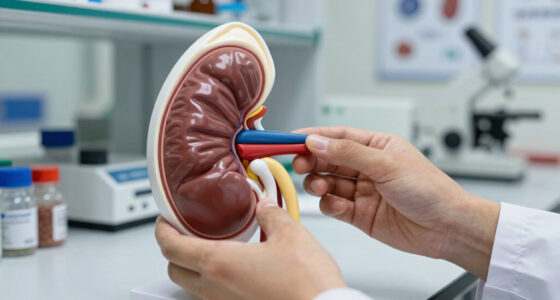

The gut-brain connection is real; your microbiome produces neurotransmitters like serotonin, influencing your mental health. However, science is still uncovering how this communication works, so don’t see it as an instant cure. While supporting your gut through diet, stress management, and lifestyle can help, it’s not a standalone solution for mental health issues. If you keep exploring, you’ll discover the nuances and limitations behind this fascinating field.

Get health and wellness essentials delivered free — and shop member deals
- Fast, free delivery on millions of items
- Access to Prime Big Deal Days deals on October 6–7
- Prime Video, Amazon Music and more included
Key Takeaways
- The gut microbiome influences neurotransmitter production, impacting mental health, which is a supported but complex aspect of the gut-brain connection.
- Maintaining microbiome diversity through diet and lifestyle supports overall health, including mental well-being.
- Probiotics may help gut health but are not guaranteed to improve mental health, and individual responses vary.
- The science of gut-brain communication is still evolving, so current understanding should be approached with cautious optimism.
- Overreliance on gut health as a sole solution oversimplifies the multifaceted nature of mental health conditions.
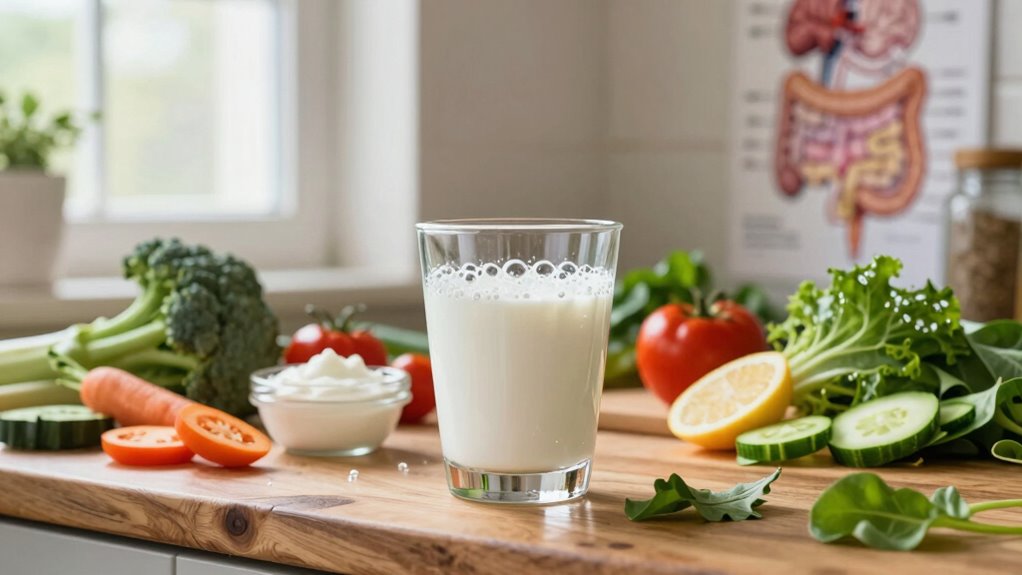
The connection between your gut and brain is often celebrated as a groundbreaking medical discovery, but not all claims about this relationship hold up under scientific scrutiny. Many people hear about the microbiome impacts and mental health connections and assume they’re fully understood or even that fixing your gut will automatically fix your mood or anxiety. While research does show that your gut microbiome influences various aspects of mental health, it’s essential to recognize where the science is solid and where it’s still developing. The microbiome impacts your overall health, including brain function, by producing neurotransmitters like serotonin, which is often called the “feel-good” hormone. This has led to claims that improving gut health can directly boost your mood or reduce depression. In reality, the relationship is intricate. A healthy microbiome contributes to a balanced immune system and reduces inflammation, which can influence mental health, but it’s not a magic cure. Mental health is multifaceted, involving genetics, environment, lifestyle, and neurochemistry, so while gut health plays a role, it’s just one piece of a much larger puzzle.
You might have heard that taking probiotics or eating yogurt can instantly improve your mental state. While these can support your microbiome and overall well-being, they’re not guaranteed to resolve mental health issues on their own. The research on probiotics and mental health is promising but still preliminary; not all strains have proven benefits, and individual responses vary. It’s tempting to see the microbiome as a quick fix, but scientists agree that maintaining gut health involves long-term dietary and lifestyle choices—like eating a diverse, fiber-rich diet, managing stress, and avoiding unnecessary antibiotics. These actions can support microbiome diversity, which is vital for overall health, including mental health. Additionally, considering how electric bikes provide a sustainable and healthy mode of transportation can contribute to overall well-being by encouraging physical activity and reducing stress. Furthermore, understanding the importance of microbiome diversity underscores the need for consistent, healthful habits rather than quick solutions. Recognizing that scientific research in this area is still evolving can help set realistic expectations and prevent reliance on unproven remedies. Moreover, scientific studies highlight that gut-brain communication involves complex pathways that are not yet fully understood, emphasizing the need for cautious optimism. New research into neurotransmitter production suggests that the microbiome’s influence extends beyond just serotonin, affecting various neurochemical pathways involved in mental health. It’s also important to be cautious about exaggerated claims. The idea that simply “fixing” your gut will cure depression, anxiety, or other mental health conditions oversimplifies the science. While the microbiome impacts, and is impacted by, mental health, it doesn’t operate in isolation. Mental health conditions are complex and usually require extensive treatment plans that include therapy, medication, and lifestyle changes—not just gut health strategies. Recognizing the actual science helps you avoid falling for oversimplified solutions. Yes, your gut and brain are interconnected, but understanding the nuances helps you make better decisions about your health and avoid false promises. Ultimately, supporting your microbiome is a valuable part of a healthy lifestyle, but it’s just one component in the broader context of mental well-being.
As an affiliate, we earn on qualifying purchases.
Frequently Asked Questions
How Does Gut Health Influence Mental Health Beyond Anxiety and Depression?
Your gut health influences your mental well-being beyond anxiety and depression through microbiome diversity and neurotransmitter production. A diverse microbiome helps regulate inflammation and supports brain function, which impacts mood and cognition. Certain gut bacteria produce neurotransmitters like serotonin and GABA, essential for mental stability. When your gut is healthy, these processes work best, enhancing overall mental resilience and clarity, not just mood disorders.
Are There Specific Foods Proven to Improve Gut-Brain Communication?
You can improve gut-brain communication by eating fermented foods like yogurt, sauerkraut, and kefir, which introduce beneficial probiotics. Additionally, increasing your intake of dietary fiber from fruits, vegetables, and whole grains supports a healthy gut microbiome, aiding in better signal transmission between your gut and brain. Combining these foods regularly helps foster a balanced microbiome, promoting improved mental clarity, mood, and overall well-being.
Can Gut Microbiome Changes Lead to Long-Term Neurological Benefits?
Ever wonder if gut microbiome changes can lead to long-term neurological benefits? They definitely can, especially when it involves increasing microbiome diversity and enhancing neurotransmitter modulation. These shifts can influence mood, cognition, and overall brain health over time. By nurturing your gut with diverse, fiber-rich foods and probiotics, you support this beneficial connection. Isn’t it fascinating how improving your gut health might just boost your brain function for the long haul?
How Do Probiotics Affect the Gut-Brain Axis in Clinical Settings?
In clinical settings, probiotics influence the gut-brain axis by promoting microbiome modulation, which can improve mental health outcomes. They enhance neurotransmitter production, like serotonin and GABA, affecting mood and anxiety levels. You might notice better stress management and emotional regulation as probiotics support this communication pathway. Overall, consistent probiotic use can help optimize gut-brain interactions, contributing to improved neurological and psychological health.
What Emerging Research Is Shaping Future Gut-Brain Therapies?
Emerging research shows that microbiome modulation can influence neurotransmitter pathways, opening new doors for gut-brain therapies. You’re likely to see personalized treatments targeting specific gut bacteria to improve mental health conditions like anxiety and depression. Advances in probiotics, prebiotics, and dietary interventions aim to optimize the microbiome, ultimately enhancing neurotransmitter signaling. These innovations promise more precise, effective therapies that harness the gut-brain connection to promote overall well-being.
As an affiliate, we earn on qualifying purchases.
Conclusion
Understanding the gut-brain connection is powerful, but don’t let the hype make you believe it’s a cure-all. It’s easy to feel overwhelmed or hopeful, but remember, science is still uncovering its full story. You might worry about feeling helpless, but small steps—like eating well and managing stress—can make a real difference. Trust in the process, stay curious, and give yourself grace. Your journey to better health starts with informed choices, not quick fixes.
As an affiliate, we earn on qualifying purchases.
As an affiliate, we earn on qualifying purchases.
Fall Picks
fall essentials
As an affiliate, we earn on qualifying purchases.