Your community plays a key role in shaping your brain’s wiring through social experiences that influence your emotional growth and social skills. When you interact with others, your brain forms neural pathways for empathy, trust, and emotional regulation. Positive social bonds release chemicals like oxytocin, reinforcing these connections. Over time, these interactions strengthen your social brain, helping you navigate relationships confidently. Keep exploring to uncover how these processes impact your lifelong brain development and social resilience.
Key Takeaways
- Community influences early brain development through social interactions that shape neural pathways related to social skills and emotional regulation.
- Peer interactions activate the brain’s reward system, reinforcing social bonds and promoting cooperation, sharing, and respect.
- Social bonding releases neurochemicals like oxytocin and dopamine, fostering trust, happiness, and emotional security.
- Early social experiences build neural networks essential for understanding social cues, empathy, and identity formation.
- Lifelong community engagement supports brain adaptability, resilience, and the development of social and emotional intelligence.
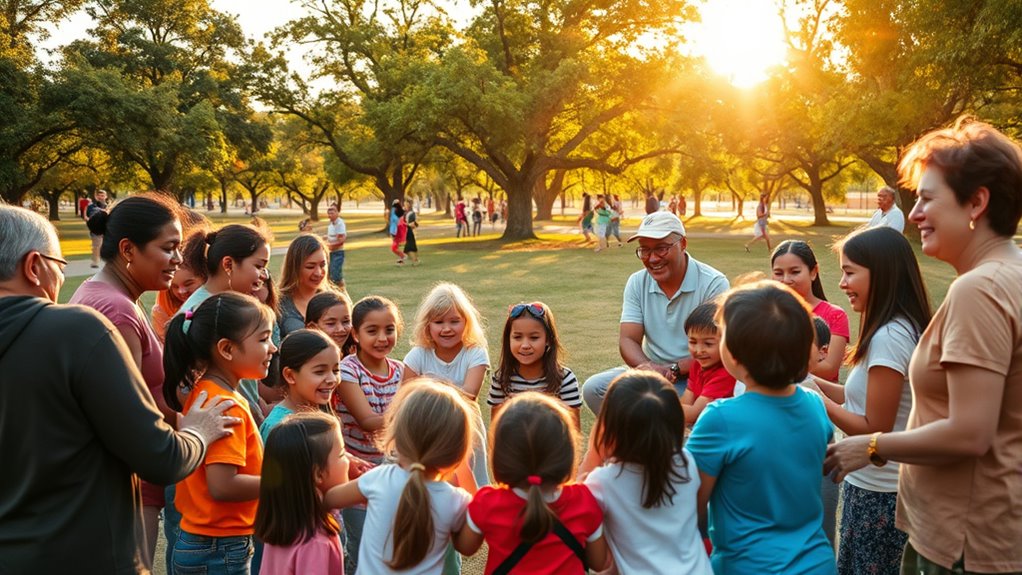
Community plays a essential role in shaping brain development, especially during early childhood. When you’re part of a community, whether it’s your family, neighborhood, or peer group, you’re constantly exposed to social interactions that influence how your brain grows and adapts. These interactions are more than just conversations; they involve complex processes like peer influence and social bonding that are fundamental for developing emotional regulation, decision-making skills, and social understanding. As a child, you learn how to interpret facial expressions, tone of voice, and social cues through these interactions, which helps your brain create neural pathways for empathy and social competence.
Community influences early brain development through social interactions, shaping empathy, social skills, and emotional regulation.
Peer influence is a powerful force in early brain development. When you’re surrounded by peers, you’re not just observing social norms; you’re actively participating in shaping your own behavior and understanding of the world. Positive peer influence encourages cooperation, sharing, and respect, which reinforce neural pathways associated with social skills. Conversely, negative peer influence can challenge your sense of self and decision-making, making your brain work harder to navigate social pressures. This tug-of-war helps develop your ability to assess risks, empathize with others, and strengthen your moral reasoning. As you engage with peers, your brain’s reward system is also activated, reinforcing social bonding and encouraging continued interaction. These bonds create a sense of belonging and trust that are essential for emotional well-being.
Social bonding, in particular, plays a decisive role in shaping your brain’s architecture. When you form close relationships, whether with friends, family, or mentors, your brain releases neurochemicals like oxytocin and dopamine, which promote feelings of happiness and trust. These chemical exchanges help solidify bonds and establish a sense of safety and security, which are necessary for healthy brain development. Through social bonding, your brain learns to interpret emotional signals and respond appropriately, laying the groundwork for empathy and compassion. The more meaningful your social connections, the more your neural networks strengthen, supporting your ability to connect with others throughout your life.
In essence, your community acts as a dynamic environment that influences your brain’s wiring through peer influence and social bonding. These interactions shape your social brain, enabling you to navigate complex relationships, regulate your emotions, and develop a sense of identity. The foundations laid in early childhood within your community set the stage for your social and emotional skills as you grow. Recognizing the importance of these social experiences can help you appreciate how community involvement fosters resilience, empathy, and mental agility, ultimately shaping the way your brain functions across your lifespan.

KidSquare Color Sorting Sensory Toys for Kids with Autism, Autistic 5-7, Gifts for Kids, Feelings Wheel Social Emotional Learning Activities, Fine Motor Skills Calming Fidget Toys, Ages 3+
Color Sorting & Emotion Recognition. This color sorting toys for toddlers brings vibrant colors and emotions together! With…
As an affiliate, we earn on qualifying purchases.
As an affiliate, we earn on qualifying purchases.
Frequently Asked Questions
How Does Community Influence Emotional Intelligence Development?
Community influences your emotional intelligence by providing opportunities to practice emotional regulation and social empathy. When you interact with diverse people, you learn to manage your emotions and understand others’ feelings better. Engaging in conversations, shared activities, and community support helps you develop these skills, making you more empathetic and emotionally balanced. The more involved you are, the more your brain adapts, strengthening your ability to navigate social and emotional challenges effectively.
What Role Do Virtual Communities Play in Brain Growth?
Virtual communities profoundly influence your brain growth through digital interactions and online friendships. These interactions challenge you to interpret social cues, develop empathy, and improve communication skills. Engaging regularly with online friends exposes your brain to diverse perspectives, fostering cognitive flexibility. As you navigate digital spaces, your brain adapts, strengthening neural pathways related to social understanding and emotional regulation, ultimately supporting your overall mental development.
Can Community Support Mitigate Developmental Delays?
Community support can substantially mitigate developmental delays by fostering social bonding and peer support. When you engage with a supportive community, you help create an environment where positive interactions stimulate brain development. This social bonding encourages emotional regulation, language skills, and cognitive growth. Peer support provides valuable learning opportunities and motivation, helping individuals overcome challenges. Overall, active community involvement can be a powerful tool to promote healthy development and resilience.
How Does Cultural Diversity Impact Brain Plasticity?
Cultural diversity can profoundly promote plasticity by presenting a broad buffet of beliefs, behaviors, and backgrounds. When you embrace neurodiversity acceptance and celebrate cultural identity, your brain benefits from varied experiences that foster flexible thinking and adaptability. This diversity invites a dynamic development, encouraging growth and resilience. By actively appreciating different cultures, you support your brain’s ability to adapt, learn, and thrive in an ever-evolving world.
Are There Critical Periods When Community Influence Is Most Effective?
Yes, there are critical periods when community influence is most effective. During early childhood, peer bonding and social learning markedly shape your brain’s development, making community interactions more impactful. These windows allow your brain to adapt to social norms, language, and emotional regulation. Engaging in diverse community activities during these times enhances your social skills and resilience, setting a foundation for lifelong social competence and mental health.

Junior Learning Social Skills Board Games, 4 Games, Ages 5-8, Empathy & Manners, Grade 1-2
Targets the development of essential social skills such as empathy, friendship, manners, and emotional understanding.
As an affiliate, we earn on qualifying purchases.
As an affiliate, we earn on qualifying purchases.
Conclusion
You might be surprised to learn that children with strong community support are 30% more likely to develop resilient brains. This shows how powerful your role in fostering connection truly is. By creating a nurturing environment, you’re directly shaping their ability to learn, adapt, and thrive. Remember, every moment of kindness and engagement counts—your community isn’t just shaping minds, it’s building a brighter future for everyone involved.
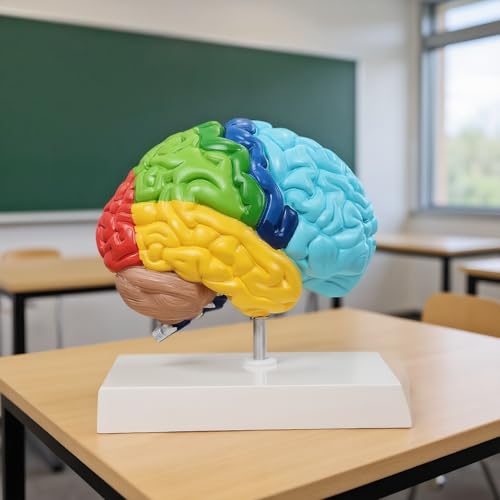
Dranvosk Life Size Human Half Brain Anatomy Model Colored Medical Teaching Tool for Kids Educational Science Kits with Detailed Brain Structure
1:1 Scale Brain Model ,This anatomically accurate human brain model replicates the right hemisphere in precise 1:1 scale,…
As an affiliate, we earn on qualifying purchases.
As an affiliate, we earn on qualifying purchases.

Kids Art Table and Chair Set, Kids Craft Table with Storage, Toddler Activity Play Desk with 2 Chairs, Wood Art Craft Play Desk with Paper Roller for Writing, Drawing, Learning and Reading
Effortless Clean up: The tabletop, treated for a smooth finish, easily wipes clean. Watercolor splatters or crayon marks…
As an affiliate, we earn on qualifying purchases.
As an affiliate, we earn on qualifying purchases.