Creative therapies use art and music to help you express your emotions safely and authentically. These methods make it easier to process feelings, reduce stress, and build resilience, all without needing artistic or musical skills. By actively engaging in digital art or music, you take control of your healing journey and find moments of peace. Keep exploring, and you’ll discover how these expressive tools can support your emotional well-being in powerful ways.

Get health and wellness essentials delivered free with Prime
- Fast, free delivery on millions of items
- Prime Video, Amazon Music and more included
- Member-only deals all year
Key Takeaways
- Creative therapies like digital art and music foster emotional expression, helping individuals process feelings and gain insights in a supportive environment.
- These non-invasive methods reduce stress, improve mood, and facilitate trauma processing through active participation and self-exploration.
- Digital art allows safe visual exploration of emotions, enhancing self-awareness and problem-solving skills without needing artistic expertise.
- Music therapy utilizes rhythm and melodies to access deep emotions, promote emotional release, and reconnect individuals with joy.
- Overall, creative therapies empower personal growth, resilience, and hope by encouraging authentic self-expression and emotional healing.
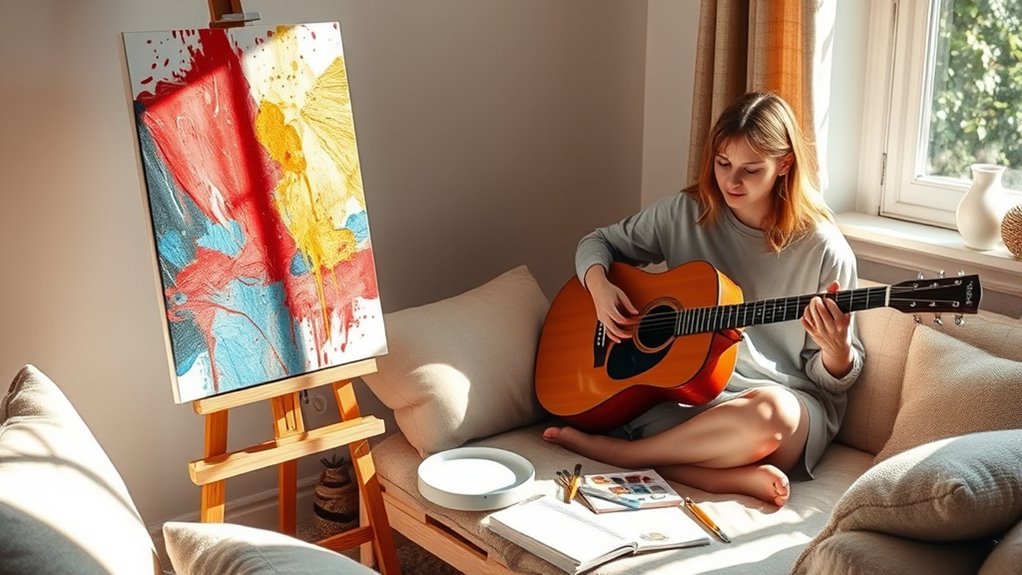
Have you ever wondered how art, music, or dance can help heal the mind and body? Creative therapies harness the power of expression to promote emotional well-being and physical health. One exciting area is digital art, which allows you to explore your feelings through technology. Using digital platforms and tools, you can create visual representations of your emotions, memories, or dreams. This process often feels less intimidating than traditional art because you can experiment freely without worrying about mess or mistakes. Digital art provides a safe space for self-exploration, helping you process complex emotions and gain insight into your inner world. As you manipulate images, colors, and shapes on a screen, you might find your stress melting away or discover new perspectives about your experiences. This form of expression can be particularly beneficial if you struggle to put your feelings into words, offering a visual outlet that can be both cathartic and empowering. Additionally, engaging in digital art can enhance your creativity and problem-solving skills, contributing to overall mental resilience. Music therapy is another powerful creative therapy that taps into your innate ability to connect with sound. It’s more than just listening to music; it’s about actively engaging with it to foster healing. During a music therapy session, you might sing, play instruments, or improvise melodies, all tailored to your emotional needs. Engaging with music on this level can help reduce anxiety, lift your mood, and even improve physical symptoms like pain or fatigue. The rhythm and melodies can bypass mental barriers, accessing deep-seated emotions and memories. For some, music therapy becomes a way to reconnect with joy or express feelings that are hard to articulate verbally. It’s a dynamic process that encourages creativity and personal growth, often resulting in a sense of achievement and emotional release. Whether you’re creating your own compositions or simply absorbing calming tunes, music therapy offers a versatile approach to emotional healing. Both digital art and music therapy highlight how creative activities serve as accessible, non-invasive methods to nurture mental health. They invite you to participate actively in your own healing journey, emphasizing personal expression over perfection. These therapies don’t require artistic or musical expertise; they focus on the process and emotional release. Engaging in digital art or music therapy can help you manage stress, process trauma, or simply find moments of peace amid chaos. By using these creative outlets, you regain a sense of control over your feelings and experiences, fostering resilience and hope. Ultimately, these therapies demonstrate that healing doesn’t always mean fixing something broken; sometimes, it’s about exploring, expressing, and embracing your authentic self through the transformative power of art and music.
As an affiliate, we earn on qualifying purchases.
Frequently Asked Questions
How Do Creative Therapies Differ From Traditional Psychotherapy?
Creative therapies, like art therapy and expressive arts, differ from traditional psychotherapy by focusing on non-verbal expression and creative processes. You actively engage in art, music, or movement to explore emotions, rather than just talking through problems. This approach helps you access deeper feelings and gain insights in a more embodied way. It’s especially helpful if words are difficult, allowing you to communicate and heal through creative outlets.
Can Children Benefit From Art and Music Therapy?
Sure, children can totally benefit from art and music therapy—because who needs words when they can just splash paint or bang drums? Play therapy and expressive arts help kids express feelings they can’t yet verbalize, easing emotional struggles. So, instead of talking it out, they get to create, explore, and heal through these fun, imaginative methods, making emotional healing a playful adventure.
What Qualifications Do Creative Therapists Need?
You need to guarantee that creative therapists have proper certification requirements, which typically include completing specialized training programs and obtaining licensure or certification from recognized organizations. Skill development is also vital, so they should continually enhance their techniques in art and music therapy. This combination helps them effectively support clients’ emotional healing, providing safe and professional environments for therapy. Always verify their qualifications before beginning therapy sessions.
Are Creative Therapies Effective for Trauma Recovery?
Imagine your emotions as a tangled ball of yarn—you can’t untangle it with words alone. Creative therapies, like expressive techniques in art and music, help you unravel that knot. They’re proven effective for trauma recovery, allowing emotional expression that words often can’t reach. Through these methods, you can process feelings safely, gaining clarity and healing, much like finding the light at the end of a dark tunnel.
How Long Does Typical Art or Music Therapy Treatment Last?
Typically, your art or music therapy sessions last about 45 to 60 minutes each. The therapy duration depends on your needs, with sessions often scheduled weekly or biweekly. Some people see progress in just a few months, while others may continue therapy for a year or longer. Your therapist will tailor the session duration and therapy frequency to best support your emotional healing journey.
As an affiliate, we earn on qualifying purchases.
Conclusion
As you embrace creative therapies, you open a powerful force that can transform your emotional landscape. Through art and music, you wield a magic so profound it can heal wounds deeper than the ocean’s abyss. Don’t underestimate the wonder within your reach—your creativity holds the key to turning pain into beauty. So, let your heart flow freely, and watch as these expressive outlets become your sanctuary, guiding you toward a brighter, more vibrant tomorrow.
As an affiliate, we earn on qualifying purchases.
calming music for emotional healing
As an affiliate, we earn on qualifying purchases.
As an affiliate, we earn on qualifying purchases.
Cold & flu season Picks
humidifiers
As an affiliate, we earn on qualifying purchases.