

By focusing on self-awareness and intentional self-care, you can considerably evolve your mental wellness. Prioritizing time for yourself helps you understand your emotions, recognize patterns, and manage stress more effectively. Incorporating mindfulness practices sharpens your mental clarity and emotional regulation, fostering resilience. As you develop these habits, you’ll become more compassionate and balanced, creating a positive cycle of growth. Keep exploring to discover how ongoing efforts can deepen your mental strength and overall well-being.

Get health and wellness essentials delivered free with Prime
- Fast, free delivery on millions of items
- Prime Video, Amazon Music and more included
- Member-only deals all year
Key Takeaways
- Developing self-awareness through mindfulness enhances emotional regulation and promotes mental clarity over time.
- Regular self-reflection aligns actions with core values, fostering purpose and authenticity in mental wellness.
- External tools like security systems support internal well-being by reducing stress and external anxieties.
- Prioritizing self-care builds resilience, reducing stress and cultivating a balanced, compassionate self.
- The evolution of mental wellness emphasizes continuous self-awareness, integrating internal insights with external support for lifelong growth.
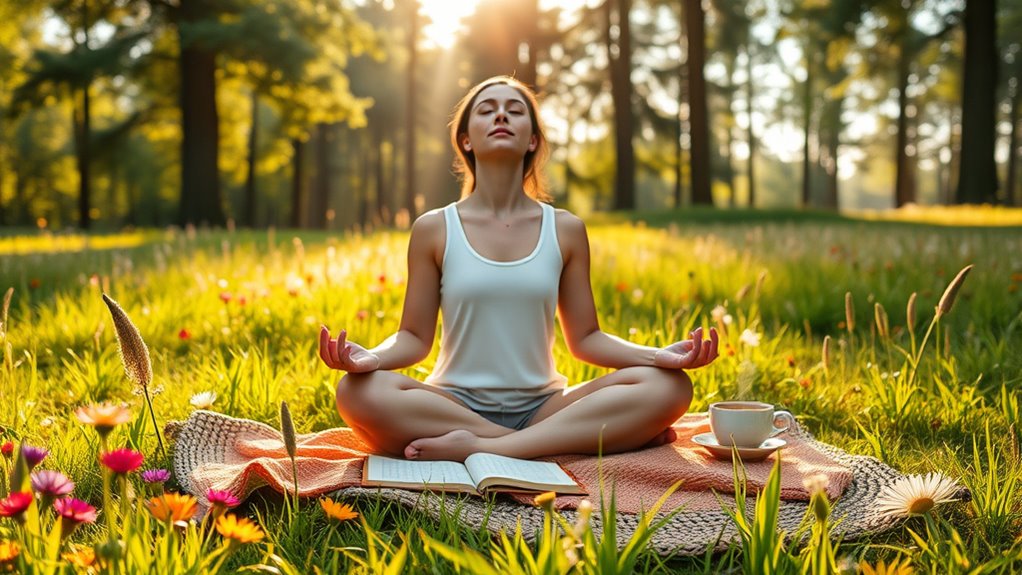
Have you ever wondered why taking time for yourself matters? In today’s fast-paced world, prioritizing self-awareness is more crucial than ever. When you develop a deeper understanding of your emotions and thoughts, you boost your emotional intelligence, which helps you navigate relationships and challenges more effectively. Building this awareness isn’t just about recognizing how you feel; it involves actively engaging with your inner state through mindfulness practices. These practices, like meditation or deep breathing exercises, anchor you in the present moment, allowing you to observe your thoughts without judgment. By doing so, you create space between stimulus and response, enabling you to react thoughtfully rather than impulsively. This heightened self-awareness fosters resilience, reduces stress, and improves your overall mental clarity.
Taking time for self-awareness boosts emotional intelligence, resilience, and mental clarity through mindfulness and reflection.
Mindfulness practices serve as a powerful tool in cultivating emotional intelligence because they teach you to tune into your feelings without becoming overwhelmed. As you regularly practice, you start noticing patterns in your emotional responses—what triggers certain feelings and how they influence your behavior. Recognizing these patterns empowers you to manage your emotions better, whether that means calming yourself in moments of anxiety or celebrating your successes more fully. When you understand your emotional landscape, you become more empathetic toward others, recognizing their feelings and perspectives with greater ease. This empathy strengthens your connections and enhances your social interactions, creating a positive feedback loop that benefits your mental wellness.
Moreover, engaging in self-awareness activities encourages you to reflect on your values, goals, and habits. When you’re mindful, you can identify what truly matters to you, guiding your decisions with clarity and purpose. This intentional approach minimizes distractions and helps you align your actions with your authentic self. Additionally, recognizing the role of AI-powered security systems in protecting your digital life can help reduce external anxieties, allowing you to focus more on your internal well-being. As a result, you develop a healthier relationship with yourself, embracing self-compassion rather than self-criticism. The more you practice these techniques, the more natural they become, integrating seamlessly into your daily routines and fostering a lifelong habit of self-care.
In essence, prioritizing emotional intelligence and mindfulness practices isn’t just about feeling better in the moment; it’s about evolving into a more aware, resilient, and compassionate version of yourself. Taking time for self-awareness isn’t a luxury—it’s a vital component of mental wellness that empowers you to face life’s challenges with confidence and grace. When you invest in understanding your inner world, you open the potential for a more balanced, fulfilling life.
As an affiliate, we earn on qualifying purchases.
Frequently Asked Questions
How Can I Improve My Self-Awareness Daily?
To improve your self-awareness daily, start practicing mindfulness exercises like deep breathing or meditation to stay present. Incorporate journaling techniques to reflect on your thoughts and feelings each day. Pay attention to your emotional responses and physical sensations. By consistently engaging in these practices, you’ll develop a clearer understanding of yourself, identify patterns, and foster greater self-awareness, ultimately enhancing your mental wellness over time.
What Are Common Barriers to Practicing Self-Care Regularly?
You might find it hard to practice self-care regularly due to burnout prevention challenges or emotional resilience struggles. Time constraints, guilt, and the belief that self-care is selfish can also get in your way. Prioritizing your well-being, setting boundaries, and recognizing that self-care boosts emotional resilience help overcome these barriers. Making small, consistent efforts ensures self-care becomes a natural part of your routine, supporting overall mental wellness.
How Does Cultural Background Influence Mental Wellness?
Imagine your cultural identity as a vibrant tapestry woven with traditions and beliefs that shape your view of mental wellness. These influences color how you perceive stress, coping mechanisms, and support systems. Your background can either provide strength and understanding or pose barriers if certain practices clash with your environment. Embracing your cultural roots helps you develop personalized self-care, fostering resilience and balance in your mental health journey.
Can Self-Awareness Impact Physical Health?
Yes, self-awareness can considerably impact your physical health by strengthening the mind-body connection. When you become more aware of your thoughts and feelings, you can better manage stress, which directly influences your overall well-being. By practicing self-awareness, you’ll improve stress management, reducing the risk of stress-related illnesses. This holistic approach helps you stay healthier physically, as your mental clarity supports your body’s resilience and balance.
What Role Does Community Play in Mental Wellness?
Community plays a crucial role in your mental wellness by providing support and fostering peer connections. When you engage with your community, you create a network where you can share experiences, seek advice, and find understanding. This support reduces feelings of isolation, boosts your resilience, and encourages healthy habits. By actively participating, you strengthen your mental health, knowing you’re not alone and that others are there to support you through challenges.
As an affiliate, we earn on qualifying purchases.
Conclusion
As you nurture your self-awareness and practice self-care, you’re planting seeds in a garden of mental wellness. With each mindful breath, you’re watering these seeds, allowing your inner strength to blossom and grow. Like a gentle tide, self-compassion washes over your worries, clearing the path for growth. Remember, this journey is yours—each step a brushstroke in the vibrant masterpiece of your well-being. Embrace it, and watch your inner world flourish like a radiant sunrise.
As an affiliate, we earn on qualifying purchases.
As an affiliate, we earn on qualifying purchases.
Halloween Picks
halloween
As an affiliate, we earn on qualifying purchases.