Mindful communication means listening with full attention and responding with care and purpose. Focus on the speaker’s words, tone, and non-verbal cues without interruption or judgment. Recognize your own emotions to prevent impulsive reactions, and empathize with others’ feelings to deepen understanding. Practicing active listening and emotional awareness helps build trust, reduce conflicts, and create meaningful connections. If you continue exploring, you’ll discover how to make your interactions more authentic and effective.
Key Takeaways
- Practice focused, undistracted listening to fully understand the speaker’s message and emotional cues.
- Be aware of your own emotions to respond thoughtfully rather than impulsively.
- Reflect on what is said before replying to ensure clarity and genuine engagement.
- Use tone, body language, and words intentionally to convey empathy and respect.
- Approach conversations with purpose, fostering trust and deeper connection through mindful responses.

Have you ever wondered how your words impact others and whether you truly listen? When you communicate mindfully, you become more aware of your emotional awareness and how it influences your interactions. Recognizing your feelings and understanding the emotions behind your words allow you to approach conversations with greater clarity. This awareness helps prevent misunderstandings and fosters genuine connections. It’s not just about what you say, but how you say it and whether you’re fully present in the moment.
Active listening is a vital element of mindful communication. Instead of just waiting for your turn to speak, you focus entirely on the speaker, giving them your undivided attention. This means listening not only to their words but also to the tone, pace, and non-verbal cues they use. When you practice active listening, you’re truly engaged. You avoid interrupting or planning your response while the other person is talking. Instead, you absorb what’s being said and reflect on it before responding. This intentional approach shows respect and makes the other person feel valued, encouraging more open and honest dialogue.
Developing emotional awareness enhances your ability to listen actively. When you’re aware of your own emotions, it’s easier to stay present and avoid reacting impulsively. If you notice feelings like frustration or impatience arising during a conversation, you can acknowledge them without letting them control your response. This self-awareness helps you maintain a calm and attentive presence, making your responses more thoughtful and compassionate. Likewise, understanding the emotions behind what someone else shares deepens your empathy, allowing you to respond more authentically. When you recognize when someone is upset, anxious, or happy, your responses become more aligned with their needs, fostering trust.
Mindful communication isn’t just about hearing words—it’s about understanding the underlying messages and emotions. This requires you to be fully engaged, to listen actively, and to stay emotionally aware. When you approach conversations with this mindset, your interactions become more meaningful and effective. You’ll notice that conflicts diminish because you’re less reactive and more attuned to the other person’s perspective. Over time, this practice creates stronger relationships, built on trust and mutual respect.
In essence, mindful communication transforms the way you connect with others. By honing your emotional awareness and practicing active listening, you create space for genuine understanding. This intentional approach doesn’t just improve your conversations; it enriches your relationships and deepens your empathy. When you communicate with awareness and purpose, every interaction becomes an opportunity to connect authentically and meaningfully. Additionally, utilizing wall organization systems can support a clutter-free environment that fosters calmness and focus during conversations, further enhancing mindful interactions.

Active Listening Techniques: 30 Practical Tools to Hone Your Communication Skills
As an affiliate, we earn on qualifying purchases.
As an affiliate, we earn on qualifying purchases.
Frequently Asked Questions
How Can I Practice Mindful Listening Daily?
To practice mindful listening daily, focus on active listening by giving your full attention without distractions. Make eye contact, nod, and use open body language to show engagement. When someone speaks, respond with empathetic responses that show you understand their feelings. Avoid interrupting, and pause before replying to process what’s been said. Consistently applying these habits helps you become more present, empathetic, and effective in your communication.
What Are Common Barriers to Mindful Communication?
Think of mindful communication like tuning a radio; static from distractions can block clear signals. Common barriers include emotional awareness gaps, where you miss nonverbal cues, and preconceptions that cloud your listening. When you’re distracted or emotionally overwhelmed, you might overlook subtle cues or respond impulsively. To improve, practice staying present, notice nonverbal cues, and check your emotions, so you connect more authentically and understand others better.
How Does Mindfulness Improve Conflict Resolution?
Mindfulness improves conflict resolution by enhancing your emotional awareness, helping you recognize your feelings and those of others without judgment. This awareness allows you to stay calm and focused, fostering empathetic engagement. When you’re mindful, you listen actively, understand different perspectives, and respond thoughtfully instead of reactively. As a result, conflicts are addressed constructively, strengthening relationships and creating a more harmonious environment.
Can Mindful Communication Enhance Professional Relationships?
Yes, mindful communication can markedly enhance your professional relationships. By cultivating emotional awareness, you better understand colleagues’ perspectives, reducing misunderstandings. Through empathetic engagement, you build trust and rapport, making interactions more genuine and effective. Even if you think you’re already skilled at communication, practicing mindfulness deepens connections and fosters a supportive environment. This intentional approach not only improves collaboration but also makes your workplace more positive and productive.
What Tools Assist in Developing Mindful Responding Skills?
You can develop mindful responding skills by practicing emotional awareness and paying close attention to non-verbal cues. Tools like active listening exercises, role-playing scenarios, and reflective journaling help you recognize your emotions and interpret others’ body language. Using mindfulness apps or breathing techniques also cultivates presence, enabling you to respond thoughtfully rather than react impulsively. These tools sharpen your ability to respond with intention and foster more meaningful interactions.

The Emotional Intelligence Journal: A Guided Companion for Building Self-Awareness, Emotional Resilience, and Deeper Connections
As an affiliate, we earn on qualifying purchases.
As an affiliate, we earn on qualifying purchases.
Conclusion
Now that you understand the power of mindful communication, are you ready to truly listen and respond with intention? Every word you choose can transform your relationships—and perhaps even change your life. But the question is: will you take the first step today, or let moments slip away in silence? The choice is yours, and the silent future awaits your mindful voice. Will you seize it before it’s gone?
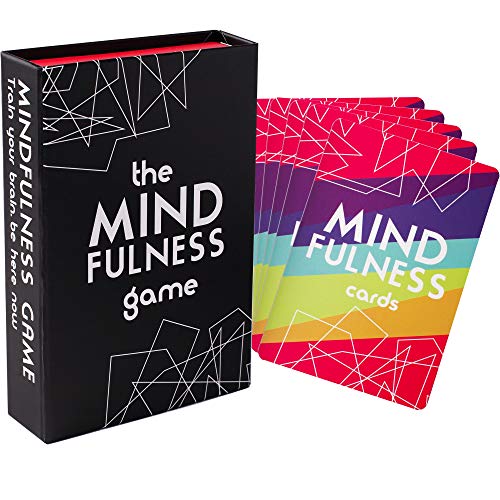
Mindfulness Cards – Conversation Cards for Kids and Therapy Games for Teens, Kids and Adults. Mindfulness Game for Better Communication and Social Skills – Great Teacher Gifts or Homeschool Essentials
GREAT TEACHER GIFTS & HOMESCHOOL ESSENTIALS – A meaningful classroom resource that doubles as a fun mindfulness activity….
As an affiliate, we earn on qualifying purchases.
As an affiliate, we earn on qualifying purchases.

ibrain Air Tube Headphones EMF Free Airtube Earbuds Wired Air Tube Headset with Microphone in Ear Earphones Noise Cancelling for Safe Listening – Rose Gold
Safe Listening Mode: The stereo speakers are encased in sonic concentrator at a certain distance from the ears,…
As an affiliate, we earn on qualifying purchases.
As an affiliate, we earn on qualifying purchases.